Singapore Furniture: Veneer vs Solid Wood Cost Breakdown
Furniture shopping in Singapore often starts with a showroom photograph and ends with a practical question: what will this piece cost me over the next 5 years? For HDB flats in Tampines and Bedok, as well as new condos in Punggol, the answer depends on more than the purchase price. Humidity, lift access, corridor turns, daily cleaning, sun exposure, and the possibility of moving homes all affect the final figure.
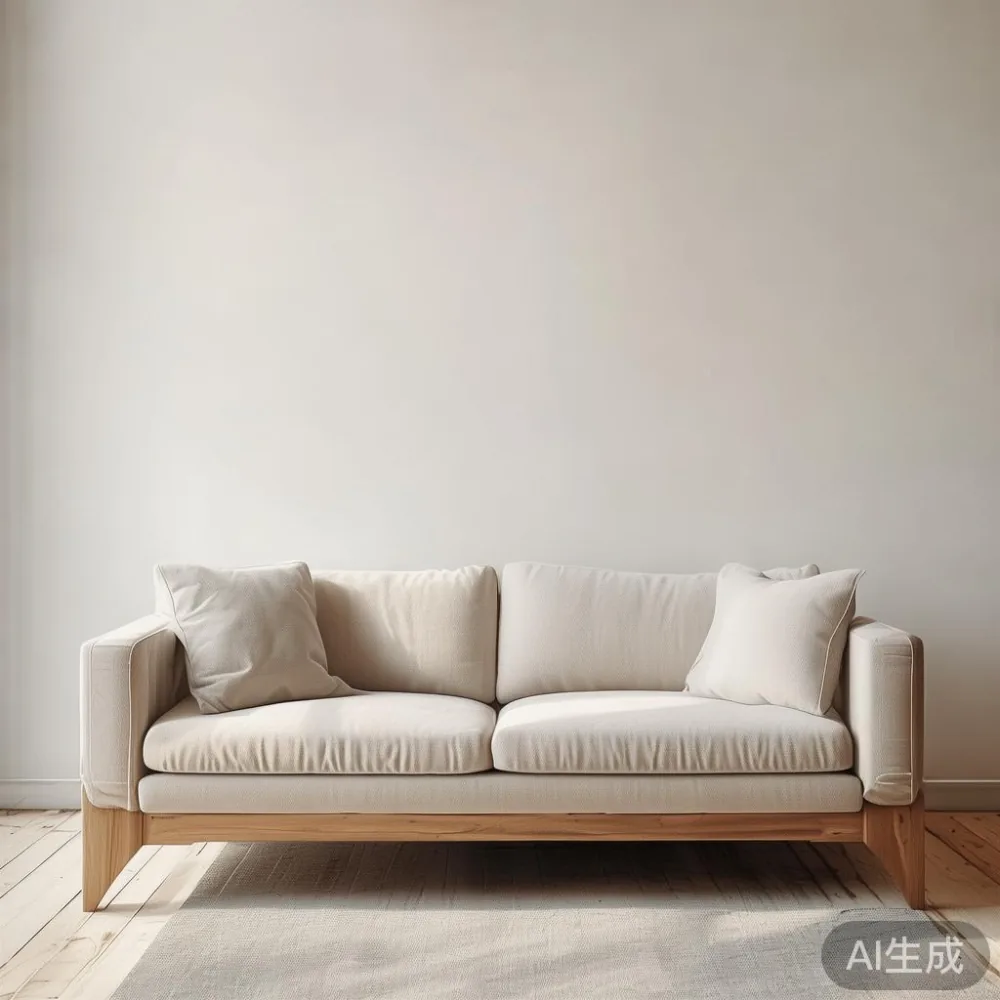
This comparison examines veneered and solid wood furniture for a typical Singapore household, using a dining table, wardrobe, bed frame, nightstand, and solid wood sofa as working examples. Prices are shown in SGD and include Singapore GST. They are planning estimates rather than quotations, since timber species, dimensions, finishes, and delivery locations change the actual amount. MIDHILL’s solid wood collections provide useful reference points for the calculations, including the company’s 10-year structural warranty and lifetime refinishing service.
What is the real 5-year cost of veneer and solid wood?
The real 5-year cost is the money you pay for the furniture plus maintenance, repair, replacement, and disposal over 5 years. A cheaper veneer dining table may require more care in a humid HDB flat, while a solid wood table may be moved more easily, refinished, or sold after the family changes its layout.
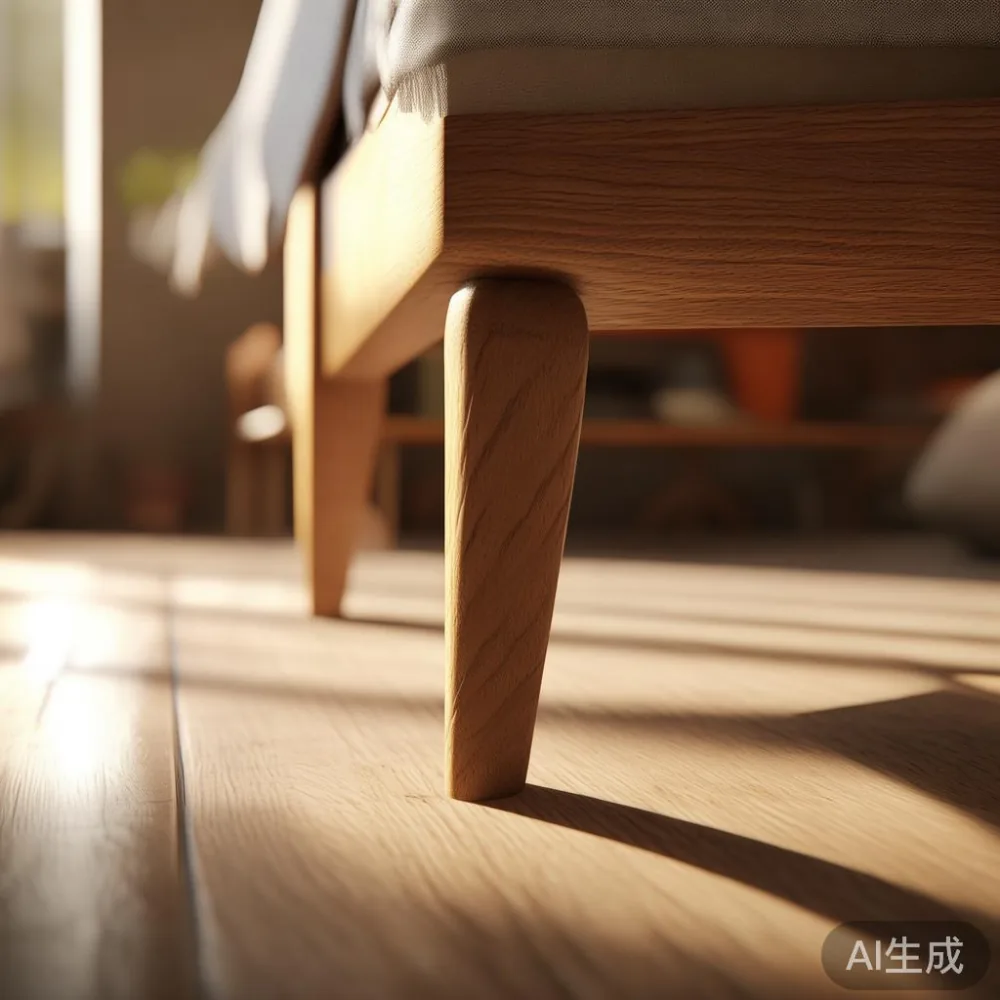
For this exercise, each dining table is 180 cm long, 90 cm wide, and 75 cm high. The veneered model is priced at SGD 1,280 including GST, while the solid oak model is SGD 2,180. The wardrobe comparison uses a 150 cm-wide, 210 cm-high unit: SGD 1,580 for veneer and SGD 2,380 for solid wood. A 160 cm solid wood bed frame is SGD 1,680; its veneered equivalent is SGD 1,080. The 45 cm nightstand costs SGD 280 in veneer and SGD 390 in solid wood.
These figures represent practical mid-range examples, not a product catalogue. Stone or marble surfaces can also change a project’s economics. A marble table may add SGD 900 to SGD 2,400 before delivery, but its purchase price says little about edge damage or the cost of moving it through a condo corridor.

To create a consistent comparison, I assumed one household in a 3-room HDB flat, one HDB flat in Bedok, and one new condo in Punggol. Each item receives 2 hours of careful cleaning every month. Veneer receives an annual protective treatment costing SGD 90. Solid wood receives refinishing every 3 years at SGD 160 per item. These maintenance allowances are deliberately conservative for humid Singapore conditions.
How do Singapore humidity and sunlight affect the two materials?
Singapore’s relative humidity commonly ranges from 65% to 85%, with afternoon showers and air-conditioning creating daily moisture changes. Veneer consists of a thin wood layer bonded to a panel or core. It can be stable when manufactured and installed well, but its edges, seams, and bonded surfaces need attention. Solid wood moves more as moisture changes, yet a sound joint, appropriate finish, and stable indoor environment can allow it to be repaired rather than replaced.
Sunlight deserves equal attention. A west-facing Tampines HDB window can deliver direct afternoon sun. A dining surface positioned beside that window may show fading, peeling, or uneven sheen sooner than one kept away from the glass. A solid oak dining table with a hardwax-oil finish may need local re-oiling, while a lacquered veneer surface may require a full recoating or replacement if the factory finish fails.
Water, steam, and cleaning chemicals matter too. Veneer is usually sensible for a lower-risk coffee table position, while solid wood offers a practical advantage in a frequently touched bed frame or nightstand. For an entry area, choose a finish that can be wiped with a damp cloth and dried promptly. Keep the furniture at least 30 cm from an air-conditioning vent, and avoid placing it against a damp external wall.
My colleague tested a 60 cm veneer sample and a 60 cm solid oak sample on tables in two Bedok flats for 6 weeks. The veneer with a paper-thin coating developed visible edge wear after repeated wiping, while the oiled solid wood absorbed minor marks and could be repaired with a small maintenance kit. The test did not predict a 5-year outcome, but it showed why finish specification is as important as the core material.
What do I pay over 5 years?
Across the five furniture types used in this comparison, the veneered set has a purchase total of SGD 5,000. The solid wood set totals SGD 7,420. The difference is SGD 2,420 before care, transport, and replacement costs.
For veneer, annual treatment at SGD 90 across 5 items equals SGD 450 per year, or SGD 2,250 over 5 years. Add two likely repair events at SGD 120 each, bringing the projected 5-year cost to SGD 7,610. That equals SGD 1,522 per furniture item and SGD 1,522 per year for the set.
For solid wood, the maintenance allowance is based on refinishing one item every 3 years rather than treating all 5 items annually. Allowing SGD 160 per service, the 5-year maintenance total is SGD 320. Add SGD 180 for minor fixes such as tightening a bed joint and replacing a nightstand runner. The projected total is SGD 7,920, or SGD 1,584 per item and SGD 1,584 per year.
The gap narrows to SGD 310 over 5 years. On an annual basis, solid wood is only SGD 62 more expensive in this model. If the veneer set needs one replacement at SGD 1,580 because its wardrobe laminate has swollen, the balance shifts. If the solid wood set is moved twice and refinished each time, its total can rise by another SGD 600 to SGD 800.
This is why material labels alone do not determine value. A low-cost veneer wardrobe with sealed edges and good installation can last 5 years without major work. A poorly made solid wood bed frame with weak joints may fail in year 2. Joinery, dimensions, finish, and supplier accountability are more useful measures than the word “wood” on a label.
How much do delivery, lifts, and corridor widths change the cost?
Singapore delivery is a practical part of the furniture budget. A flat-pack veneered table may fit into a 70 cm-wide carton, while a knocked-down solid wood dining table may still need a 90 cm package. A standard HDB lift may measure 110 cm by 140 cm internally, but the usable floor area depends on the door and control panel. Condo service lifts may be larger, although the shortest lift in the building can still dictate access.
Corridor turns can be tighter than lift interiors. Allow at least 30 cm of turning clearance when carrying a rigid table top, and measure the route from the lift lobby to the front door. For example, a 180 cm tabletop needs at least a 190 cm diagonal position in a corridor, but it must also be tilted safely. If the staircase and doorway offer less space, the furniture may need to be disassembled or completed inside the flat.
Charges in the estimates are SGD 80 for curbside delivery, SGD 160 for standard delivery into the lift lobby, and SGD 260 for room-of-choice delivery with assembly. In some HDB blocks, the concierge accepts a large carton at the ground floor, but this is not universal. Punggol condo management may also require a booking for the service lift, usually arranged 24 to 72 hours ahead.
Allow 5 to 9 working days for a made-to-order dining table and 7 to 14 working days for a wardrobe. Stocked items may arrive in 2 to 5 working days. More than 500 kg of furniture should not be transported in one household move without checking the lift’s load rating. A solid wood table weighing 72 kg is manageable for two people, while a marble top may require three people and a separate trolley.
For homeowners comparing a Japanese sofa vs Nordic sofa, delivery weight matters as well as frame material. A lighter, modular design can be easier to carry through a narrow corridor, but a heavier sofa with stronger joints may survive repeated moves better. The practical choice is the sofa that fits the route on collection day and the home for the next 5 years.
Should a Singapore home choose veneer or solid wood?
Choose veneer when the furniture has a stable indoor position, the household wants a lower initial outlay, and the panels are well sealed. It is also a reasonable option for a frequently replaced children’s study desk or a secondary dining table. Choose solid wood when the piece is a long-term fixture, handles are handled daily, or the household values repairability and refinishing.
The bedroom is a strong candidate for solid wood. A bed frame supports the body every night, and a nightstand receives spills, keys, chargers, and repeated movement. A solid wood bed frame with mortise-and-tenon or dowelled joints is often easier to tighten than a veneered particleboard frame. MIDHILL offers a 10-year structural warranty on eligible solid wood furniture, which gives buyers a clearer line of responsibility than an unsupported durability claim.
Living rooms also benefit from a deliberate material balance. A solid wood sofa with removable covers can provide a durable centrepiece, while a veneer or marble table can add visual contrast. When comparing how to style French sofa in apartment, consider the floor area, not only the photograph. A 220 cm sofa needs around 70 cm of circulation space at one end and 90 cm in front for normal use. In a compact flat, a 190 cm sofa may preserve more practical space.
Light-luxury design is not the same as fragile design. French light luxury works through pale upholstery, curved profiles, and tactile finishes; American light luxury favours clean proportions and understated detailing; post-modern light luxury can pair solid timber with metal or stone. These directions suit scandinavian furniture when the grain, warmth, and function remain visible rather than being overwhelmed by decoration.
For a restrained bedroom, Japandi for guest room decisions often combine a solid wood bed frame with simple storage and muted textiles. A wardrobe in warm veneer can remain visually calm if its edges are sealed, while a solid wood wardrobe may suit a family expecting to move or refinish it later. For a living room, Minimalist for small living room planning starts with a low-profile sofa, a compact dining table, and furniture that can be moved without damaging the floor.
Do not force every category into one material. A balanced home might use a solid wood sofa, bed frame, dining table, and nightstand, then select a carefully finished wardrobe and coffee table according to use. MIDHILL coffee table examples are useful for checking whether the top can withstand a laptop, cup, and daily wiping without excessive care.
Which option offers better value over 5 years?
For the assumed household, veneer wins on day-one affordability: SGD 5,000 compared with SGD 7,420 for solid wood. After projected maintenance and repairs, the totals are close at SGD 7,610 and SGD 7,920. The practical difference is only SGD 310 over 60 months.
That figure changes with location and use. In a dry, shaded room with careful cleaning, veneer may remain in service for 5 years with no replacement. In a humid flat near the kitchen, a swollen wardrobe panel or peeling edge can create a larger repair bill. Solid wood may show movement or marks, but those can often be sanded and refinished. Its long-term value comes from retaining structural utility while the appearance changes.
Consider resale and relocation as well. A disassemblable solid wood dining table can be separated into 2 or 3 manageable sections for a lift, then serviced before moving to another HDB flat or Punggol condo. Veneer panels are convenient to transport, but damaged edges can make an otherwise usable piece less appealing. Neither option should be selected by assuming a buyer will recover the full purchase price.
Look at the top 10 Mid-century modern furniture examples with their construction details rather than their era labels. Check whether joints can be tightened, drawer runners can be replaced, and table tops can be refinished. For an upholstered choice, compare European light luxury bed vs Mid-century modern bed by frame support, clearance under the bed, and actual room dimensions. A European light luxury bed may use a substantial timber frame, while a Mid-century modern bed often has slimmer lines and a lower visual weight.
Scandinavian furniture remains popular in Singapore because pale timber, restrained shapes, and practical proportions suit both compact HDB rooms and newer condos. In such a setting, a solid wood dining table can anchor the room without requiring a large rug or excessive decoration. The accompanying chairs, lighting, and storage should be selected for daily use, not simply to create a styled image.
My own calculation gives veneer a narrow price advantage on day one and solid wood a repair and longevity advantage over time. I would spend more on solid wood for a bed frame, nightstand, and main dining table, while considering veneer for a replaceable wardrobe or secondary surface. The most accurate approach is to obtain a written specification: timber or veneer thickness, core material, joinery, finish, warranty, delivery charge, and return terms.
MIDHILL’s free shipping threshold of US$350, 14-day returns, 10-year structural warranty, and lifetime refinishing service help reduce uncertainty, although Singapore GST, local delivery, lift access, and assembly should still be confirmed in the order quotation. Over 5 years, the cheapest-looking choice is not automatically the least expensive one. It is the piece that fits the room, the route, the household routine, and the level of repair the owner expects.