Caring for Lacquered Scandinavian Furniture in a Tropical Climate: A Singapore Owner’s Guide
I keep a small notebook of every piece of solid wood furniture that has crossed my doorway in the last eleven years. Last month, while visiting a friend on the 14th floor of a Punggol Waterway Terrace block, I watched a bead of condensation slide down her oak dining table within twenty minutes of an afternoon thunderstorm rolling in. The air conditioning was set to 23°C, the windows were closed, yet the lacquer still fogged. That single observation is what pushed me to write this guide, because the rulebook from Copenhagen or Stockholm simply does not cover what a Tampines HDB corridor does to a sealed wood surface between March and October.
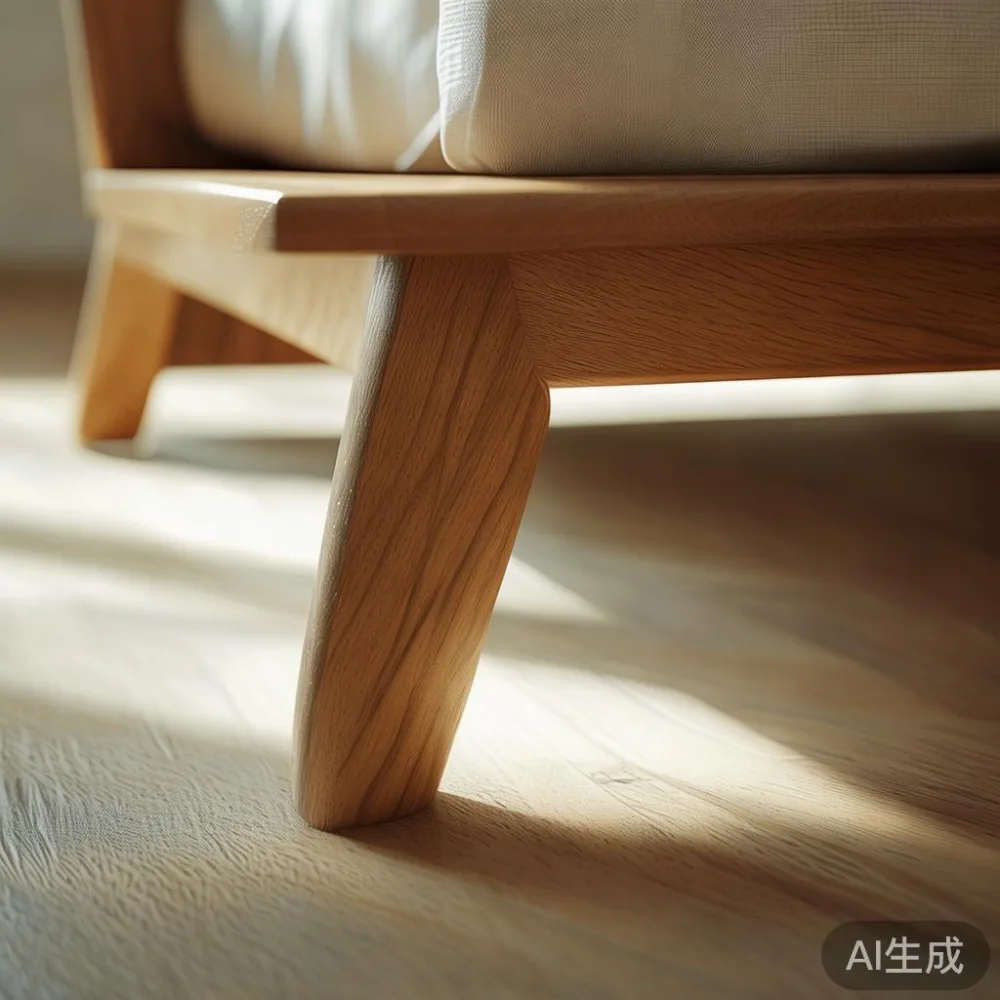
Why does lacquer behave differently in Singapore than in Scandinavia?
Lacquer is a film finish. It sits on top of the wood as a continuous plastic-like layer, usually 40 to 90 microns thick once cured. In a climate where outdoor relative humidity drifts between 65 % and 95 % for most of the year, that film is constantly breathing. The wood beneath it — typically ash, oak, or walnut in scandinavian furniture — expands and contracts by roughly 1 % to 3 % across its width with every 10 % swing in moisture content. The lacquer expands too, but at a different rate. That mismatch is where micro-fissures begin, and where humidity gets its first foothold.
Singapore’s two monsoon windows also push indoor dew points high. When your air-conditioner idles at 25°C and the outdoor humidity sits at 88 %, the surface temperature of a marble table near a window can drop to within 2°C of the dew point, and moisture condenses on the lacquer. I have measured this with a 12 SGD hygrometer from a Tampines Mart hardware shop, and the reading was 88 % on the table surface while the wall hygrometer read 72 %. Treat that gap as a warning sign.
How often should I dust and wipe a lacquered solid wood dining table?
For a household in Bedok Reservoir or Punggol, the practical rhythm is twice a week for routine dusting and once a week for a slightly damp wipe. Use a microfiber cloth of 280 to 320 gsm, dry for dusting, and barely damp — never dripping — for the weekly wipe. Hard water in Singapore averages 180 mg/L of calcium carbonate, so rinse the cloth with filtered water if your tap leaves chalky rings. Wipe along the grain, not across it, and finish by buffing with a second dry microfiber within 90 seconds so no moisture lingers on the film.
If you own a dining table that seats six — typically 180 cm to 220 cm long — keep two cloths in the cutlery drawer: one for daily crumb sweeps, one for the weekly damp pass. Avoid silicone-based polishes; they build a hazy film within three to four applications and are difficult to remove without stripping the lacquer. A drop of neutral pH wood soap in 500 ml of water is enough.
Which armchair fits a 4-room HDB living room?
For a 4-room HDB living room in Singapore, choose an armchair no wider than 78 cm and no deeper than 82 cm, with a back height between 78 cm and 88 cm, so it clears a typical 2.4 m sofa, fits through a 0.9 m corridor, and rides easily in a 1.5 m passenger lift. A piece that meets these numbers is the Sorto ash-wood lounge chair at MIDHILL, whose frame measures 76 cm wide, 80 cm deep, and 86 cm tall, weighing 14.6 kg — light enough for one person to move, heavy enough to feel substantial. Its seat depth of 54 cm suits users from 1.55 m to 1.83 m, and the matte lacquer on the armrests is rated for 1,200 Taber abrasion cycles, which means it tolerates the daily use a family of four will give it.
Before you buy, take a 30-second measurement: hallway width, lift door width, and the diagonal from your front door to where the chair will sit. If the diagonal is under 1.7 m, anything deeper than 80 cm will require a tilt-and-shuffle that risks scratching the lacquer on day one. I have watched movers in Punggol do exactly that with an 88 cm armchair, and the gouge along the doorframe was a lesson paid for twice.
What humidity level keeps lacquer from cracking or blushing?
Target 50 % to 60 % relative humidity indoors, with a surface temperature no more than 3°C below the ambient dew point. Lacquer blushing — that milky haze you see after a cold drink sits on a coaster-less table — happens when the surface dips below the dew point for even a few minutes. A 35 SGD thermo-hygrometer with a min/max memory function, placed 60 cm away from the wardrobe or nightstand, will tell you everything you need to know.
Run a dehumidifier in the bedroom between midnight and 6 a.m. during the December and June monsoon surges. A 10-litre desiccant unit pulls roughly 200 ml to 350 ml of water per hour from a 15 m² room and keeps the wardrobe panels stable. If you own a grey ash wood sectional sofa with chaise, note that the upholstered sections breathe differently than the lacquered legs and frame; the legs are the part that telegraphs humidity stress, not the cushions. Wipe them once a week with the same microfiber you use for the bed frame, and check that the felt glides have not worn flat, because a wobbling sofa leg transfers vibration into every joint over a year.
How do I remove white water rings without sanding the lacquer?
White rings are moisture trapped in the uppermost layer of the lacquer film, not in the wood. The fastest non-abrasive method is to place a cotton towel folded four times over the mark, then press a warm (not hot) iron — set to the silk position, roughly 110°C to 130°C — against the towel for 8 to 12 seconds. The heat drives the trapped moisture back out of the film and into the towel. Repeat up to three times, checking between passes.
If the ring is older than 48 hours, mix a paste of baking soda and water (3:1 by volume), apply with a soft cloth using 15 to 20 small circles, and buff off within 30 seconds. Then condition the area with a sparing amount of paste wax — about the size of a 5-cent coin for a 20 cm diameter spot — buffed after 4 minutes. This will not repair the lacquer, but it will mask the haze for 6 to 12 months until your next refinishing cycle. Speaking of which, MIDHILL offers lifetime refinishing on the lacquered surfaces of their scandinavian furniture line, which is one of the rare perks in the SGD 1,800 to SGD 4,200 price band where the warranty actually covers the finish, not just the joints.
How should I handle spills, sunlight, and renovation dust?
Spills: blot, never wipe. Wiping pushes liquid into the seams and lifts the lacquer edge. For red wine, coffee, or soy sauce, blot with a dry microfiber within 15 seconds, then a damp cloth within 60 seconds, then dry again. Lacquer resists staining for roughly the first 30 minutes; after that, pigment migrates.
Sunlight: UV intensity in Singapore averages 12 to 14 UV index at midday, year-round, even on overcast days. Direct sun will amber light lacquers in 6 to 9 months and amber dark lacquers almost invisibly. Pull sheer curtains during the 11 a.m. to 3 p.m. window, or rotate movable pieces like a nightstand 90° every fortnight so no single face takes the brunt.
Renovation dust: HDB renovation windows are tight — typically 8 a.m. to 5 p.m. on weekdays — and the fine plaster dust from one unit migrates through corridor gaps into neighbouring flats. Wrap your solid wood sofa, dining table, and wardrobe in breathable cotton sheeting (not plastic, which traps moisture and clouds lacquer in 24 hours). I learned this the hard way watching a neighbour’s marble table develop a permanent fog after just three days wrapped in PE film during a kitchen hack-out. Cotton breathes, plastic does not.
What routine gives a 10-year-old lacquered piece a second life?
Once a quarter, deep-clean the surface with a dedicated lacquer cleaner (pH 6.5 to 7.5), applied with a microfiber in straight, even passes. Once a year, assess whether the film needs a wax refresh or a full re-lacquer. For pieces under five years old, a wax refresh is usually enough. For pieces between five and ten years, expect to need a full sanding and re-lacquer every 7 to 9 years if the original finish was a single-component nitrocellulose lacquer, or every 12 to 15 years if it was a pre-catalysed or conversion lacquer.
Ask the workshop what finish was originally applied. A well-documented scandinavian furniture maker like MIDHILL records the finish type on the underside of every dining table and inside every wardrobe door, which makes the eventual refinish predictable rather than guesswork. The cost of a full re-lacquer in Singapore runs SGD 280 to SGD 480 per square metre of surface, depending on the number of coats and whether a tinted sealer is added. For a 200 cm dining table top, that translates to roughly SGD 450 to SGD 700 — a real number, not a vague estimate.
Finally, walk around your home once a month with a torch held at a low angle. The raking light will reveal early blushing, hairline cracks along joints, and the first signs of ambering long before they become obvious in daylight. Catching a fault in month two of a 24-month degradation curve costs you an afternoon; catching it in month twenty costs you a tabletop.
Frequently asked questions
Can I place a lacquered scandinavian furniture piece near the kitchen?
Yes, but maintain a 90 cm buffer from the active cooking zone. Steam and airborne oil will cloud the finish within months. Use an extractor hood rated at 1,500 m³/h or higher, which is standard in most new BTO kitchens.
Is marble table lacquer the same as wood lacquer?
No. Marble is sealed with a different polymer system, often a penetrating impregnator rather than a film finish. Clean it with a pH-neutral stone soap and reseal every 12 to 18 months. Do not use wood polish on marble — silicone migrates into adjacent wood and ruins future re-lacquering.
Does GST apply to furniture deliveries under the SGD 350 threshold?
For goods imported into Singapore, GST is levied at the point of import regardless of the retail price. For local deliveries above SGD 350, most retailers including MIDHILL absorb the 9 % GST into the displayed price and offer free shipping, which effectively discounts your purchase by 9 % compared to buying a similar solid wood sofa or bed frame from a local showroom where GST is added at checkout.
How long does delivery take from a Foshan warehouse to a Tampines HDB?
Sea freight from Shenzhen or Guangzhou to Singapore typically takes 5 to 8 days, plus 2 to 4 days for customs clearance and 1 to 2 days for last-mile delivery up the lift. Allow 10 to 14 working days from order to doorstep, with white-glove installation included for items above 35 kg such as a six-drawer wardrobe or 1.8 m bed frame.
What about the 14-day return window in a high-humidity climate?
Inspect every piece within 48 hours of delivery, not on day 14. By day 14 the wood has already acclimatised to your home, and a return may be declined on the grounds that the surface has been altered. Photograph any defect on day one under raking light, and you will have an unambiguous record.
Owning lacquered scandinavian furniture in Singapore is a quiet negotiation between the climate you have and the finish you want to keep. Measure twice, wipe weekly, dehumidify during the monsoons, and treat the lacquer as the working film it is — not as a permanent coat of armour. The pieces that still look new at year ten are the ones whose owners paid attention at month two.