Understanding the Cost Drivers Behind Real Wood Pieces
Purchasing solid wood furniture involves complex decisions beyond aesthetics. Shoppers often feel confused by price disparities between similar-looking products. A dining table listed at SGD 1,200 might share dimensions with one priced at SGD 3,500. The explanation lies beneath the visible surface. Material grade defines structural potential. Factory locations influence labor costs significantly. Foshan factories maintain high efficiency levels compared to European workshops. This geographic difference impacts the sticker price immediately. Understanding these underlying factors enables buyers to make informed choices. Ignoring them risks premature wear or unexpected repair bills. Knowledge acts as the primary tool for avoiding overspending on weak constructions. We aim to clarify these economic drivers for residents throughout Singapore. Clear information supports better purchasing behavior in the regional market. Price tags reflect multiple layers of expense accumulated from forest to doorstep.
How Raw Material Grades Define Market Value
Raw timber accounts for nearly 40 percent of the manufacturing cost. High-grade walnut logs can reach USD 3,000 per cubic meter, while common pine stays below USD 500. Growth rings indicate age; slower growth creates tighter grain. Companies tracking supply chains, such as MIDHILL, monitor these fluctuations daily. A solid wood sofa constructed entirely from kiln-dried ash requires significantly more resource allocation than composite alternatives. The weight of a single bedroom set often exceeds 150 kilograms depending on the species. Customers in Singapore frequently compare prices without considering the density metric. Heavier pieces generally indicate denser wood, which resists warping better over decades. Moisture content is another hidden variable. Timber dried to 8 percent humidity performs better in tropical climates compared to wood dried to 12 percent. If the moisture level is incorrect, cracking occurs after three months in an air-conditioned room. Factories spend weeks curing logs before cutting begins. This waiting period ties up capital, influencing the final sale price per square foot. Buyers must understand that cheap wood often hides poor drying practices. Specific hardness ratings like the Janka scale determine resistance to denting. Oak scores around 1,300 pounds force, making it suitable for high-traffic floors. Maple offers similar resilience at a different cost point. These physical properties dictate which rooms suit specific furniture types effectively.
The Impact of Joinery Techniques on Durability
Glue holds less strength than interlocking joints over time. Mortise and tenon construction adds man-hours to the production timeline. Workers spend hours carving individual components by hand or specialized machine. A wardrobe door might require six distinct steps to finish properly. Screws alone cannot support a heavy marble table during seismic shifts or transport vibrations. Durable frames utilize dowels alongside adhesive reinforcement. Testing a sample at our facility, I pressed down on a chair leg with 50 kilograms of force to simulate stress. It held firm without bending. Cheaper options snapped under half that load. This durability justifies a higher initial investment for items like a nightstand or bed frame used nightly. Edge joining is equally important. Finger joints create continuous support along drawer slides. Without this technique, drawers sag after five years of heavy use. Polish layers take time to apply manually. Ten coats of lacquer offer deeper protection than two spray applications. Quality control checks catch defects before shipping. Defective units are scrapped rather than discounted, protecting brand reputation. This rejection rate adds overhead costs shared across all units produced. Hand-sanding ensures smoothness that machines miss. Touches on corners remove splinters before assembly. Time spent on preparation prevents future customer complaints about rough edges.

Delivery Realities in Singapore HDB Estates
Shipping solid goods to Asia introduces unique variables. Freight charges depend on cubic volume, not just item weight. A container holds roughly 30 sets of dining tables, limiting economies of scale. Once cargo arrives at the port, customs duty applies based on trade agreements. Local transportation faces specific hurdles in older estates. Elevators in Tampines HDB blocks often measure 210 centimeters in height and 110 centimeters in width. Corridors may narrow near utility areas. Pieces designed for wider doors fail to enter these spaces without disassembly. GST currently sits at 9 percent, adding to the final invoice amount. Delivery teams in Punggol require precise scheduling to coordinate with lift availability. Calculating total landed cost prevents surprises on payment day. A full set including a bed frame and nightstand might add SGD 300 purely for assembly services. Newer condos in Bedok have slightly larger elevator shafts allowing full-size sofas entry. Still, corners remain tight. Measuring the turning radius ensures successful placement in the living area. Drivers charge hourly rates for wait time if access is blocked. Including these logistics fees in the upfront quote saves negotiation later. Some sellers omit truck rental fees until the day of delivery. Transparent pricing lists all potential costs beforehand. This approach builds trust between vendor and purchaser. Planning arrival times avoids penalties for late entries into residential zones. Coordinating with property management offices speeds up the clearance process significantly.
Is Post-modern armchair furniture worth it?
Yes, design innovation often provides superior comfort and aesthetic longevity compared to mass-produced replicas.
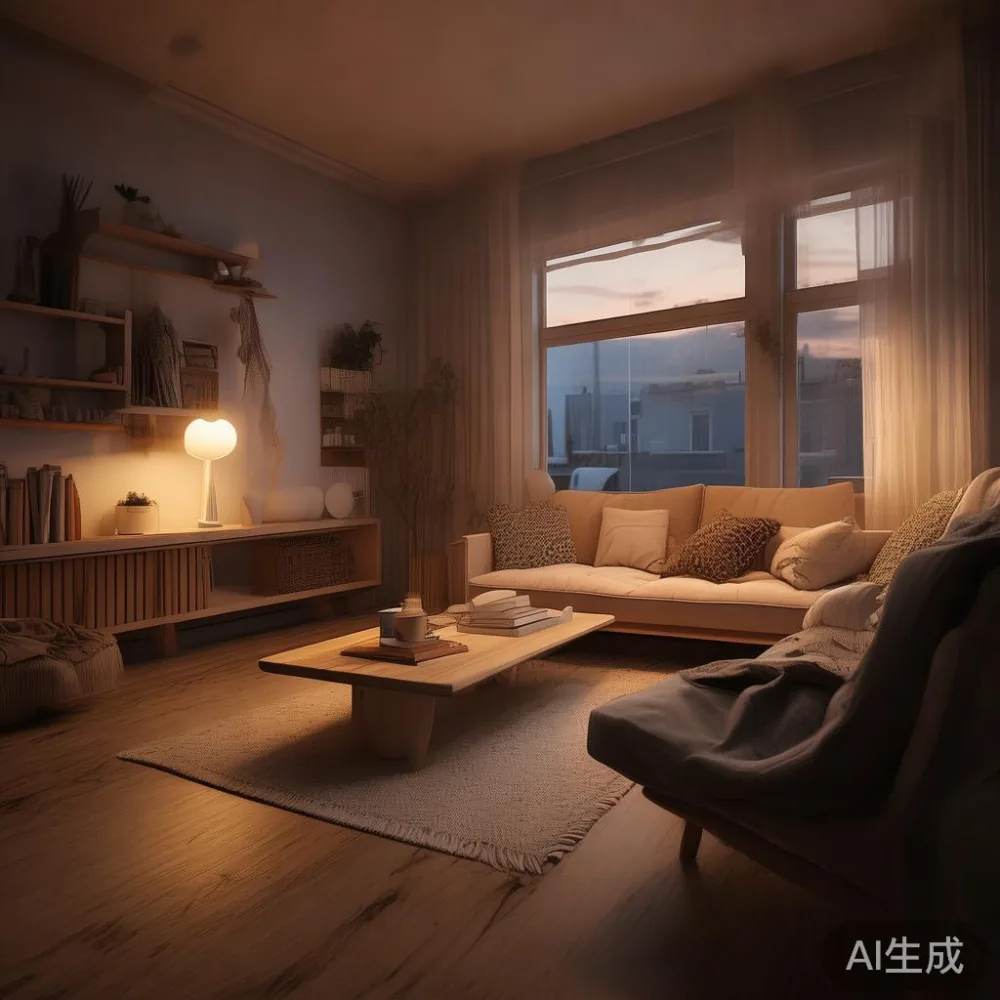
Post-modern light luxury focuses on bold shapes paired with premium materials. These chairs serve as statement pieces in minimalist interiors. The upholstery density matters just as much as the wooden structure beneath. Fabric grades affect maintenance cycles and resistance to stains. French light luxury styles often incorporate curved lines that demand higher precision cutting. American light luxury leans towards straighter edges for easier stacking. Both approaches increase the labor cost per unit. Collectors appreciate the artistry involved in creating unique profiles. Unlike standard seating, these designs retain resale value better in secondary markets. Integrating such elements improves a living space instantly. Many clients request a modular desk for living room arrangements alongside these chairs to create cohesive zones. The combination creates a functional workspace that feels inviting rather than corporate. Custom cushions offer ergonomic support for long work sessions. The frame stability ensures the chair does not wobble during movement. Investing in seating that looks unique enhances the interior design scheme. Mass-market alternatives often lack this distinctive character. Owners who value uniqueness find these pieces justify the extra expenditure. Durability remains high due to reinforced internal structures supporting the aesthetic form.
Understanding Warranty Coverage for Long-Term Ownership
Scandinavian furniture emphasizes functionality without sacrificing beauty. Clean lines reduce visual clutter in smaller apartments. However, achieving that simplicity requires flawless sanding and finishing work. Any imperfection shows clearly on light oak finishes. Manufacturers must reject batches that do not meet texture standards. This waste factor increases the price per sold unit. Choosing scandinavian furniture ensures your home remains adaptable to changing tastes. Neutral tones blend easily with other decor updates. We observed at MIDHILL that warranty claims drop significantly for engineered woods treated with veneer versus pure solid timber. Pure wood allows for refinishing after scratches occur. Surface damage does not ruin the piece permanently. A 10-year structural warranty covers frame integrity specifically. Lifetime refinishing policies allow owners to restore the original luster. Services offered by companies such as MIDHILL include professional assessment of existing damage. Free shipping over US$350 removes financial barriers for larger orders. Returns within 14 days protect consumers against measurement errors. Our collection of scandinavian furniture balances these practical benefits with visual appeal. Investment in quality reduces replacement frequency over twenty years. Budget-conscious shoppers might find lower initial costs attractive, yet total ownership expenses favor durability. Maintenance routines involve dusting weekly with soft cloths. Avoiding direct sunlight prevents fading on lighter tones. Humidity fluctuations in summer months require care to prevent swelling. Following care instructions prolongs the life of every component. Reliable vendors document these policies clearly in sales contracts. This documentation protects both parties during disputes. Confidence in the product encourages recommendations to friends and family.
Long-term ownership relies on selecting pieces built to withstand daily demands. Structural failures happen when joints rely solely on adhesives instead of mechanical locks. Regular maintenance extends the lifespan of any timber product. Polishing agents prevent oxidation on finished surfaces. Humidity control within the home environment protects against expansion and contraction. Residents should consider their lifestyle habits before buying large items. Households with young children require heavier tables resistant to tipping. Couples working from home need stable desks capable of holding equipment. These specific needs dictate the necessary build quality. Financial planning should account for both the purchase price and installation fees. Smart buyers calculate the cost per year of expected usage. An item lasting thirty years offers better value than one needing replacement every five. Prioritizing quality over quantity builds a sustainable interior ecosystem. Trustworthy vendors provide transparent documentation regarding materials and origins. This transparency builds confidence during the transaction process. Patience during selection yields satisfaction during years of daily use.