Maintaining Lacquered Furniture in Singapore's Humid Environment
Singapore's tropical climate presents unique challenges for homeowners who appreciate fine furniture with lacquered finishes. The combination of high humidity levels, frequent rainfall, and temperature fluctuations can potentially damage delicate surfaces if not properly cared for. Whether you've recently invested in a solid wood sofa from a reputable brand like MIDHILL or inherited a family heirloom with a beautiful lacquered finish, understanding how to maintain these pieces in our local environment is important for their longevity.
Understanding Lacquered Surfaces
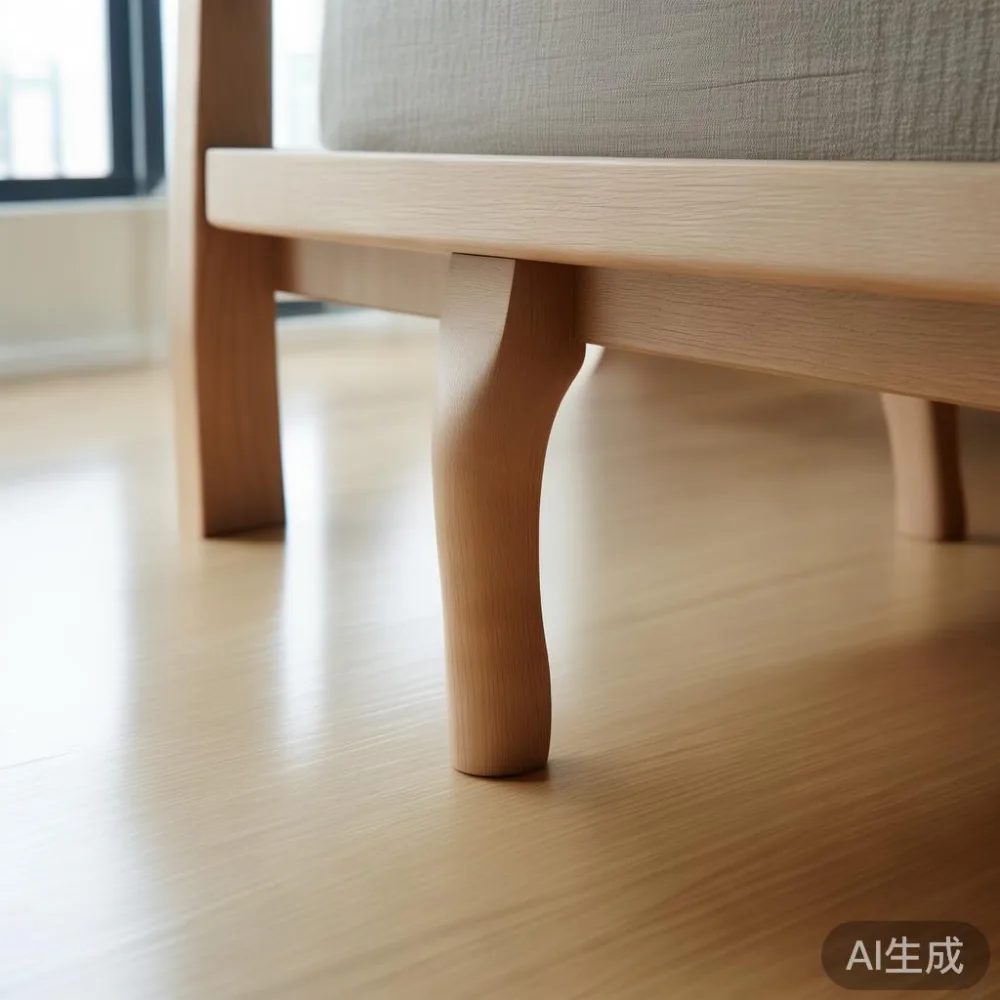
Lacquered surfaces are created by applying multiple layers of clear or colored lacquer over wood, creating a hard, durable finish that enhances the natural beauty of the wood while providing protection against everyday wear and tear. In Singapore's context, where HDB flats typically have corridor widths of 120-150cm and lift dimensions around 110cm x 140cm, furniture with lacquered finishes must be both beautiful and resilient to withstand transportation and installation in these spaces.
High-quality lacquering involves sanding between each of the 7-10 layers of lacquer, allowing each layer to cure for 24-48 hours. This meticulous process results in a surface that is resistant to minor scratches and spills but requires specific care in our tropical climate. The finish on a premium solid wood dining table from French light luxury brands can cost anywhere from SGD 800 to SGD 2,500, making proper maintenance an investment worth protecting.
Challenges in Singapore's Tropical Climate
Singapore's average relative humidity hovers between 70-90% year-round, with temperatures consistently ranging from 25°C to 32°C. This environment poses several challenges for lacquered furniture:
- Condensation forming on surfaces when cool air-conditioned rooms meet humid outdoor air
- Wood expansion and contraction due to moisture absorption
- Potential mold growth in hidden areas
- Fading of colored lacquers from prolonged sun exposure
Last month, I visited a client in Tampines whose lacquered dining table had suffered from Singapore's humidity. The table, purchased for SGD 3,200, had developed small white spots where moisture had penetrated the finish. After assessing the damage, we implemented a care routine that restored the table's appearance and prevented further issues. This experience highlighted how quickly humidity can affect even high-quality furniture in our climate.
Daily Care Routine for Lacquered Surfaces
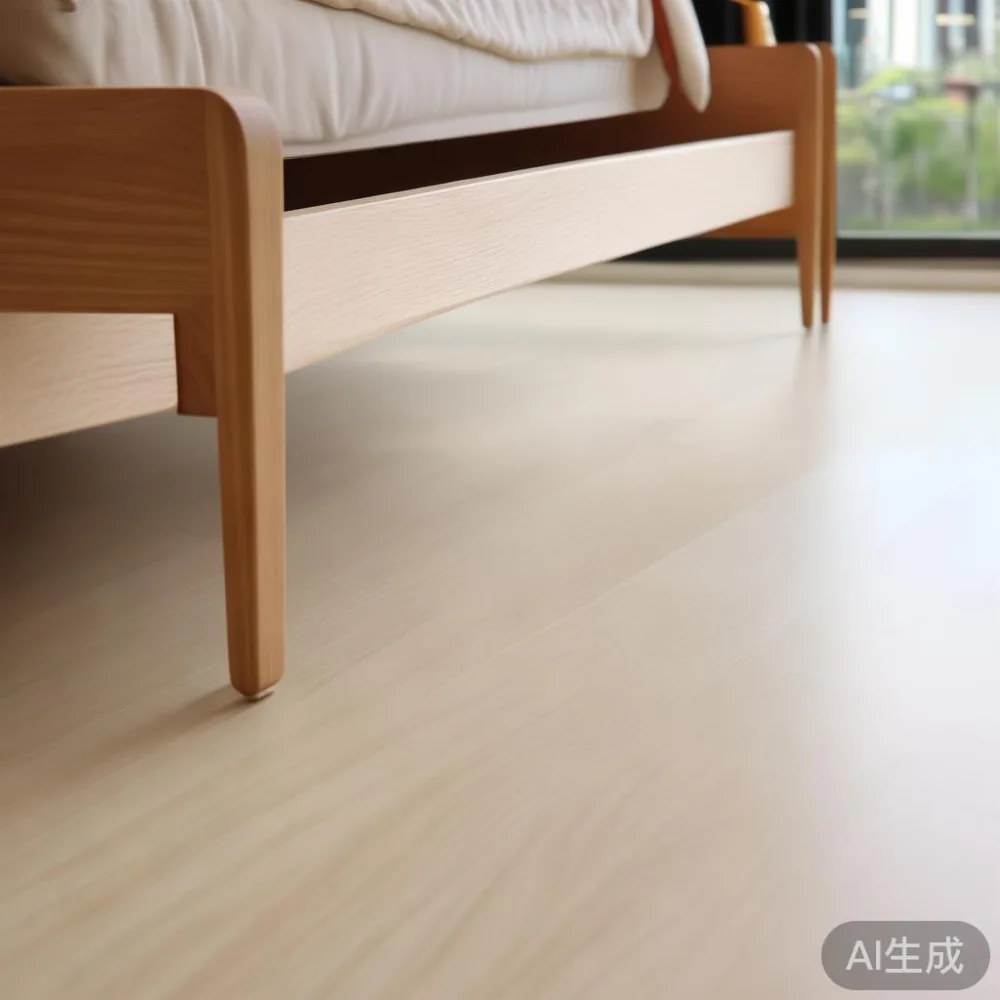
Maintaining lacquered furniture in Singapore requires a consistent, gentle approach. For daily care, use a soft, lint-free cloth slightly dampened with distilled water. Avoid tap water, which contains minerals that can leave deposits on the surface. When cleaning a marble table top with a lacquered base, always wipe spills immediately, as acidic substances like coffee or wine can etch both marble and damage lacquer over time.
Positioning is equally important. In Singapore's HDB flats, where rooms often measure 3m x 3m, placing furniture away from direct sunlight and air conditioning vents is important. For example, a wardrobe should be positioned at least 50cm from any cooling unit to prevent temperature shock to the lacquered surface. In condos like those in Punggol with larger living spaces, maintaining a distance of at least 1 meter from windows is recommended.
Dusting frequency should match your home's environment. In areas with higher dust accumulation like Bedok, near construction sites, dusting 2-3 times weekly is advisable. Use a microfiber cloth in gentle, circular motions, applying minimal pressure to avoid scratching the surface. For nightstands and smaller pieces, a quick daily dusting prevents buildup that can scratch the finish when moved.
How do I choose a side table for a small space?
Choose a side table with a narrow profile of 30-40cm in width and a height matching your sofa arm, typically 50-60cm. Opt for designs with slender legs to create visual space, and consider multifunctional pieces with storage. In Singapore's compact living spaces, a well-chosen side table should complement your scandinavian furniture aesthetic while serving practical needs without overwhelming the room.
When selecting a side table, consider the material's compatibility with your existing furniture. A solid wood nightstand with a matching lacquered finish creates cohesion in the bedroom. For scandinavian furniture enthusiasts, light-colored woods like birch or ash with clear lacquer maintain the aesthetic while providing durability. Prices for quality side tables in Singapore range from SGD 150 for basic models to SGD 800 for designer pieces with premium finishes.
Seasonal Maintenance Considerations
Singapore doesn't have distinct seasons, but certain months present more challenges than others. During the Northeast Monsoon period from December to March, humidity levels can spike to 90% or higher. During these periods, increase ventilation in your home by opening windows during cooler morning hours (6-8 AM) when humidity is typically lower.
For scandinavian furniture enthusiasts who appreciate minimalist designs, maintaining the clean lines of lacquered pieces requires extra attention during high-humidity months. Consider using dehumidifiers in enclosed spaces like walk-in wardrobes, which can maintain humidity at 50-60%—ideal for preserving lacquered finishes. A good quality dehumidifier costs between SGD 200 and SGD 500 and can reduce moisture levels by 15-20% in a standard 4m x 4m bedroom.
During the Southwest Monsoon from June to September, increased rainfall raises indoor humidity. Place moisture-absorbing products like silica gel packs inside drawers and cabinets containing lacquered furniture. These inexpensive items (SGD 10-20 per pack) can absorb up to 40% of their weight in moisture, protecting interior finishes from humidity damage.
Advanced Care Techniques
For stubborn stains on lacquered surfaces, create a gentle cleaning solution by mixing 1 part white vinegar with 4 parts distilled water. Apply sparingly with a soft cloth, working from the outside of the stain toward the center. Avoid rubbing vigorously, as this can damage the finish. For an American light luxury dining table with a high-gloss lacquer, this technique can restore the shine without compromising the protective layers.
Minor scratches can sometimes be buffed out using a specialized furniture polish containing carnauba wax. Apply a small amount to a soft cloth and work in gentle circular motions over the affected area. For deeper scratches that penetrate the lacquer, professional repair is recommended. A furniture technician can sand and refinish the area, with costs typically ranging from SGD 80 to SGD 200 depending on the size and location of the damage.
When moving lacquered furniture, always use protective padding on corners and edges. In Singapore's HDB corridors with standard widths of 120cm, maneuvering larger pieces like a 180cm dining table requires careful planning. Consider removing legs when possible and wrapping each piece individually with bubble wrap before transport. Professional movers charge approximately SGD 80-120 per hour for furniture handling in Singapore.
Professional Maintenance Services
For high-value pieces like a solid wood bed frame with extensive lacquering, professional maintenance every 2-3 years is recommended. Reputable furniture restoration services in Singapore offer comprehensive care packages including deep cleaning, minor repair, and re-lacquering if necessary. These services typically cost 15-20% of the original furniture value and can extend the lifespan of your pieces by 5-10 years.
MIDHILL, established in 2008 and exporting to 15+ countries, offers a 10-year structural warranty and lifetime refinishing service for their lacquered furniture. This commitment to quality ensures that their scandinavian furniture collections maintain their beauty despite Singapore's challenging climate. Their delivery service within Singapore takes 3-5 business days for orders over SGD 350, with free shipping for purchases exceeding this amount.
When selecting a professional service, verify their experience with lacquered finishes specifically. Ask about their process for handling tropical climate challenges and request before-and-after photos of previous work. A reputable specialist will use climate-appropriate products and techniques that account for Singapore's unique environmental conditions.
Investment Protection Through Proper Care
Quality lacquered furniture represents a significant investment. A post-modern light luxury wardrobe with detailed lacquering can cost SGD 4,000 or more, while a marble table with lacquered base might range from SGD 2,500 to SGD 6,000 depending on size and design. Proper care not only preserves the appearance of these pieces but protects their financial value over time.
For homeowners in Singapore's condominiums with larger spaces, the investment extends to multiple pieces. A complete scandinavian furniture set including dining table, sideboard, and chairs can easily exceed SGD 15,000. Regular care costing approximately SGD 200-400 annually represents less than 3% of this investment while potentially extending the furniture's usable life by decades.
When purchasing new lacquered furniture, consider the GST implications. In Singapore, GST is currently 9%, affecting the final price of imported items. However, many reputable brands like MIDHILL include this in their quoted prices, making budgeting more straightforward. Always inquire about warranty details, including coverage for humidity-related damage, which is particularly relevant in our climate.
The extendable dining table for small apartment living has become increasingly popular in Singapore's urban environment. These versatile pieces typically cost between SGD 800 and SGD 2,500 and can expand from 140cm to 220cm, accommodating dinner parties while maintaining a compact footprint during daily use. The lacquered finish on these tables requires the same careful maintenance as other pieces, with special attention paid to the extension mechanisms where moisture can accumulate.
Remember that prevention is always more effective than repair. By implementing a consistent care routine and making informed purchasing decisions, you can enjoy beautiful lacquered furniture that withstands the challenges of Singapore's tropical climate for years to come.