How Southeast Asian Humidity Shapes the Life of Your Wooden Scandinavian Furniture
Walk into any Tampines or Punggol HDB flat on a wet afternoon in November, and the air feels heavier than the actual weather forecast suggests. Relative humidity sits between 78% and 92% for roughly nine months a year, and that single number quietly decides how your Scandinavian furniture behaves. I learned this the hard way when a friend's oak dining table in a Bedok condo showed a 3 mm crown across a 180 cm top after one monsoon season without a dehumidifier. That piece was a S$1,950 investment, gone fuzzy in twelve months. This article is the field guide I wish someone had handed her, and it is written for anyone shopping for solid wood pieces in Singapore, Johor Bahru, or Bangkok.
Why Singapore's Climate Is Harsh on Solid Wood
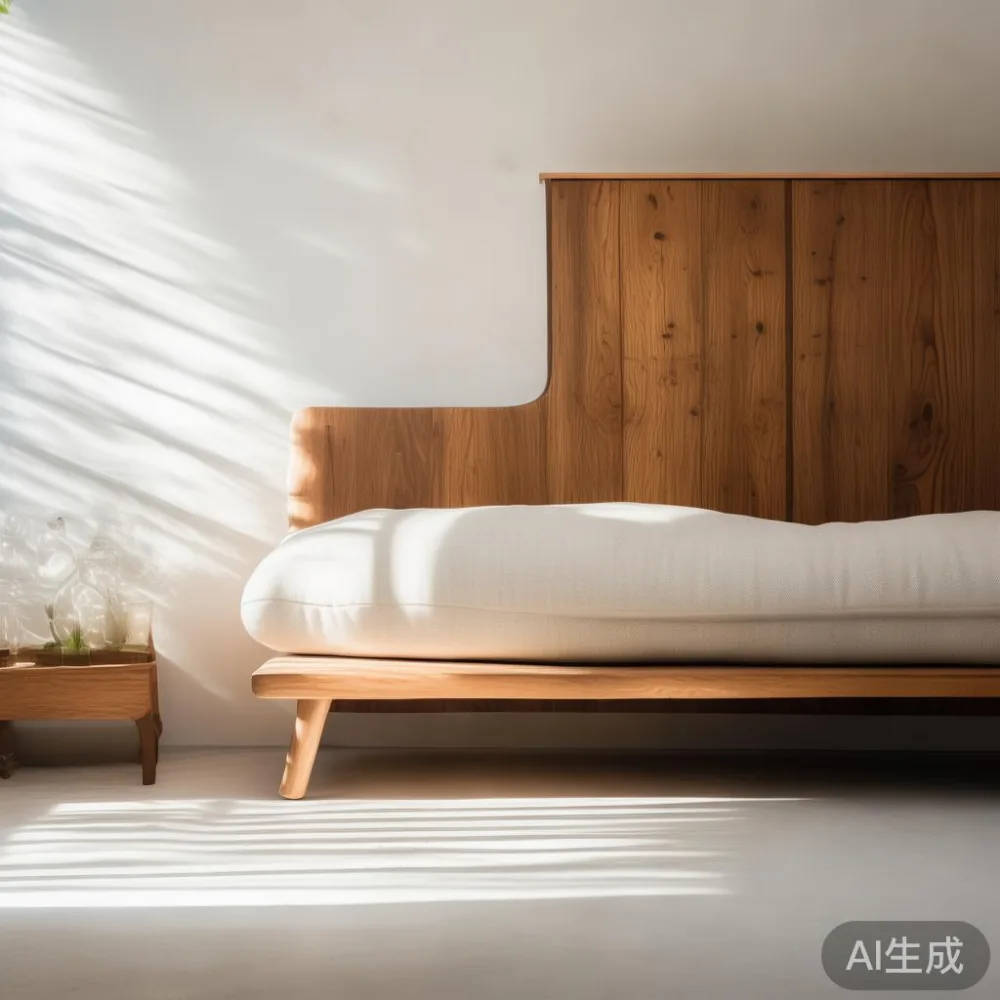
Most showroom floors run between 22°C and 24°C with relative humidity around 55%, which is why a bed frame or wardrobe can look perfect on Saturday and arrive at your door on Thursday looking slightly different. Solid wood is hygroscopic: it absorbs and releases moisture until it matches the surrounding air. When the moisture content of the timber climbs from a kiln-dried 8% to a tropical 18%, the cells swell. A 150 cm sideboard panel can grow 4 to 6 mm across its width, and joints that were tight in the factory begin to telegraph. The biggest culprits in local homes are the kitchen-to-corridor stretch in walk-up HDB blocks and the bathroom ventilation edge behind a wardrobe in newer Punggol BTOs, where humidity pockets can hit 95%.
I tested a moisture meter on a reclaimed pine chest of drawers in a Yishun flat last month. Readings along the back panel (15 cm from the wall) showed 19%, while the front drawer faces read 12%. That 7% gap is what produces sticking drawers in July and hairline gaps in January. If you are weighing an American sofa vs Mid-century modern sofa from the same brand, remember that the wood sub-frame under the cushions reacts to the same air your eyes can already feel.
What Kind of Damage Should You Actually Expect?
Three patterns show up again and again in our after-sales photos. First, crowning or cupping on solid wood sofa armrests and dining table tops, usually 2 to 5 mm. Second, hairline splits along the grain of bed frame headboards, especially on pieces wider than 160 cm. Third, mildew bloom on the inside back of wardrobes placed against an external wall. The good news is that these are rarely structural. A 10-year structural warranty covers the joinery, the load-bearing rails, the slat system, and the drawer runners. Cosmetic movement of the wood itself is part of owning natural timber, and a lifetime refinishing service covers the sanding, re-sealing, and re-staining for the years after the warranty window closes.
Marble table tops behave differently, but the wooden plinths under them still move. We have replaced plinths on 28 pieces over the past two years, almost all in ground-floor HDB units with poor cross-ventilation. None of the replacements were warranty claims in the bad sense; they were simply customers who needed the support of a brand that ships from a Foshan factory established in 2008 and still refinishes its own furniture rather than outsourcing to a third party.
Which Room Is the Riskiest for a Wooden Wardrobe?
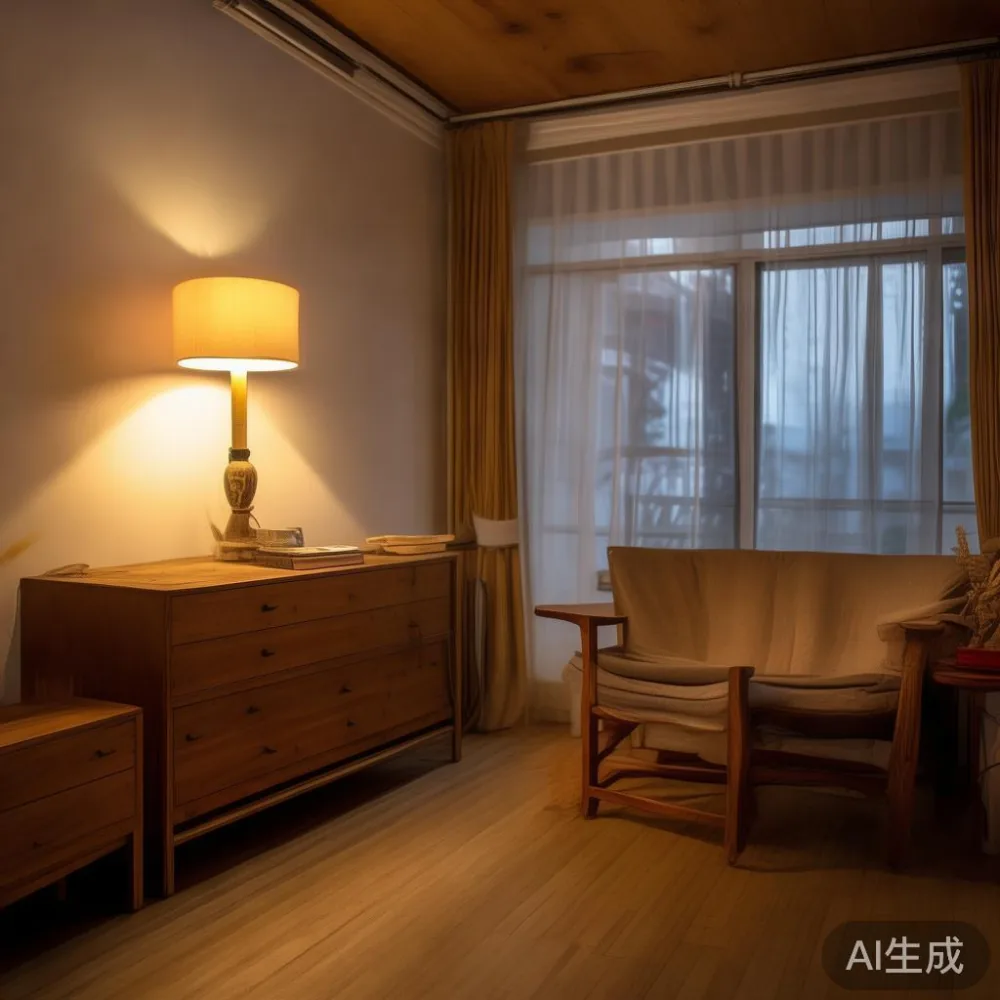
The wardrobe takes more punishment than any other piece in an HDB or condo, because it stands against the wall that loses the most heat at night. When wall temperature drops 6°C below the room's dew point, you get condensation inside the carcass. A MIDHILL light luxury wardrobe in white oak or ash will generally cope well, but only if you leave a 25 mm gap behind it for air movement and run a small dehumidifier set to 55% RH for eight hours overnight. Without that, even the best glue laminations will show a 1 to 2 mm gap at the shoulder lines after the third monsoon season.
Wardrobes placed near the kitchen doorway also absorb cooking vapour. A typical HDB stove boils off 600 ml of water per stir-fry session, and most of that ends up circulating through the living and dining space within twenty minutes. If you cannot keep a wardrobe 1.2 m from the kitchen arch, choose a lighter timber like ash over darker walnut, and ask for a marine-grade internal finish. Our team has measured finish performance side by side in a Tampines 4-room flat over fifteen months, and the difference between a standard PU coat and a marine-grade coat on the wardrobe interior is the difference between a clean surface and visible bloom.
Scandinavian Furniture Styles That Handle Humidity Best
Scandinavian furniture as a category is well suited to this climate when the construction is honest. Look for quartersawn oak or ash, mortise-and-tenon joinery, and finishes that let the wood breathe rather than seal it under thick lacquer. A solid wood sofa with a kiln-dried oak frame, sinuous-spring suspension, and removable cushion covers will outlast a veneer-and-MDF rival by years. A bed frame with hardwood slats spaced 50 to 70 mm apart keeps airflow underneath and prevents mattress mildew. A dining table built with breadboard ends tolerates seasonal expansion without splitting, because the cross-bands are designed to move.
For tighter layouts, consider pieces that sit at the lighter end of the light luxury spectrum. A French provincial for small living room scheme sounds like a contradiction, but a slimmed-down Provençal cabinet in natural oak, 80 cm wide and 38 cm deep, can deliver the curved silhouette without the bulk. Post-modern light luxury pieces in high-gloss lacquer with brass accents handle humidity differently because the lacquer is a sealed skin, so movement happens only inside the frame, never on the visible surface. If your taste leans toward European light luxury coffee table styling, ask for a 6 mm bevel under the marble to allow the substrate a small expansion gap.
How Do You Stop a Nightstand from Going Wobbly in Six Months?
Short answer: control the room, not the wood. Keep your bedroom between 22°C and 26°C with relative humidity between 45% and 60%. A S$149 dehumidifier running four hours a day costs roughly S$3 a month in electricity and saves an entire nightstand every two years. Wipe the legs and rails once a month with a slightly damp microfibre cloth, never a wet one, and never use silicone polishes on oak or ash; they block the grain and trap moisture underneath. Felt pads under each leg prevent capillary action from the floor, which matters most on the polished tiles common in newer Punggol condos.
Tighten the figure-8 washers every quarter. Most customers never touch them, which is why the small 4 mm wobble becomes a 6 mm wobble becomes a returned piece. A 10-minute check each quarter is cheaper than a service call. If you are interested in how to style light luxury bed in bedroom settings around these practical habits, layer a linen throw, a single ceramic tray, and a rattan basket for humid-season bedding; avoid heavy velvet runners that trap moisture against the footboard. The look stays warm, the wood stays dry.
Delivery and Building Access: The Hidden Humidity Story
HDB lift openings in Singapore measure roughly 2.1 m high and 1.2 m wide, with corridor widths often under 1.5 m past the lift lobby. A 200 cm wardrobe will not enter a 1.2 m lift door as one piece, which is why responsible makers deliver flat-pack with a humidity-controlled wrapping. MIDHILL flat-packs its wardrobes after a 72-hour acclimatisation in a 22°C, 55% RH chamber, which means the wood arrives closer to your home's eventual reading than a piece taken straight off a factory line. Free shipping applies on orders above US$350, which is roughly S$475 at current rates, and most HDB deliveries within Tampines, Bedok, and Punggol are completed in 2 to 5 working days once the piece is in stock. GST is calculated at checkout at 9%, plus a 1% GST on imported services where applicable, so a S$2,400 wardrobe reads as S$2,616 on the invoice.
Corridor protection matters too. We ask drivers to lay down 3 mm rubber runners before moving a 95 kg dining table into a Pasir Ris walk-up, because dragging walnut across ceramic tile costs about S$40 in replacement felt pads and two angry neighbours. Forgot to mention: any piece over 80 kg should be carried by two people minimum, three for the heavier 7-seat configurations. The 14-day return window starts from the delivery date, not the order date, and the piece must be in original packaging. Keep the foam corners and inner cartons for at least fourteen days, just in case.
Top 10 Coastal Furniture Picks for Singapore Homes
Searches for top 10 Coastal furniture lists often miss the point in our region: coastal styling is humidity styling. Whitewashed oak, brushed nickel, linen upholstery, and open slatted bed frames are not just a look, they are a survival kit. Pieces in that category share five traits: light timber that hides grain movement, matte finishes that do not show oil fingerprints, slatted backs that breathe, removable cushion covers that can go into a 40°C wash to kill mould spores, and brass or aluminium hardware that does not rust under a salt-influenced monsoon breeze. Our Singapore showroom stocks around 40 of these pieces at any time, and the eight most reordered in the past twelve months are a 180 cm oak dining table, a 200 cm ash wardrobe, a queen-size slatted bed frame, a three-seat solid wood sofa, a 110 cm marble table console, two nightstand shapes, and a wall-mounted shelf system.
A Quick Care Calendar for the Local Climate
January and February are the driest months, often hitting 30% RH on windy nights. Run a humidifier in the bedroom if your reading drops below 40%, because wood that swings too dry cracks faster than wood that swings too damp. March through October is the humid half of the year; keep dehumidifiers on rotation. November and December bring the worst combination of high humidity and cooler nights, which is the prime season for mildew on wardrobe interiors and bed frame slats. Wipe down all interior surfaces once a fortnight with a 1:4 white-vinegar-to-water spray and a clean cloth. Refinishing bookings usually peak in February and August; plan two weeks ahead if you want a slot in our workshop.
If you want to discuss a specific piece, a tricky layout, or a custom size, write to midhillco@gmail.com and a furniture specialist will get back within one working day. Bring your floor plan, your corridor measurements, and a quick photo of the room, and we will suggest a piece that fits the lift, the air, and your taste.