What Actually Drives the Price of Solid Wood Furniture
Most Singapore shoppers who walk into a furniture showroom in Tampines or browse a Punggol condo renovation thread on HardwareZone end up asking the same question within ten minutes: why does one solid wood dining table cost S$1,200 and another, almost identical at a glance, cost S$4,800? The honest answer is that the price tag reflects roughly a dozen decisions made long before the piece reaches a lift in a HDB block at Bedok Reservoir, and almost none of those decisions are visible from the showroom floor. I spent the first week of last month at the MIDHILL factory in Foshan, walking the floors where Scandinavian-influenced frames are milled, sanded, and assembled, and the picture that emerged is a useful one for any buyer trying to read past the marketing.
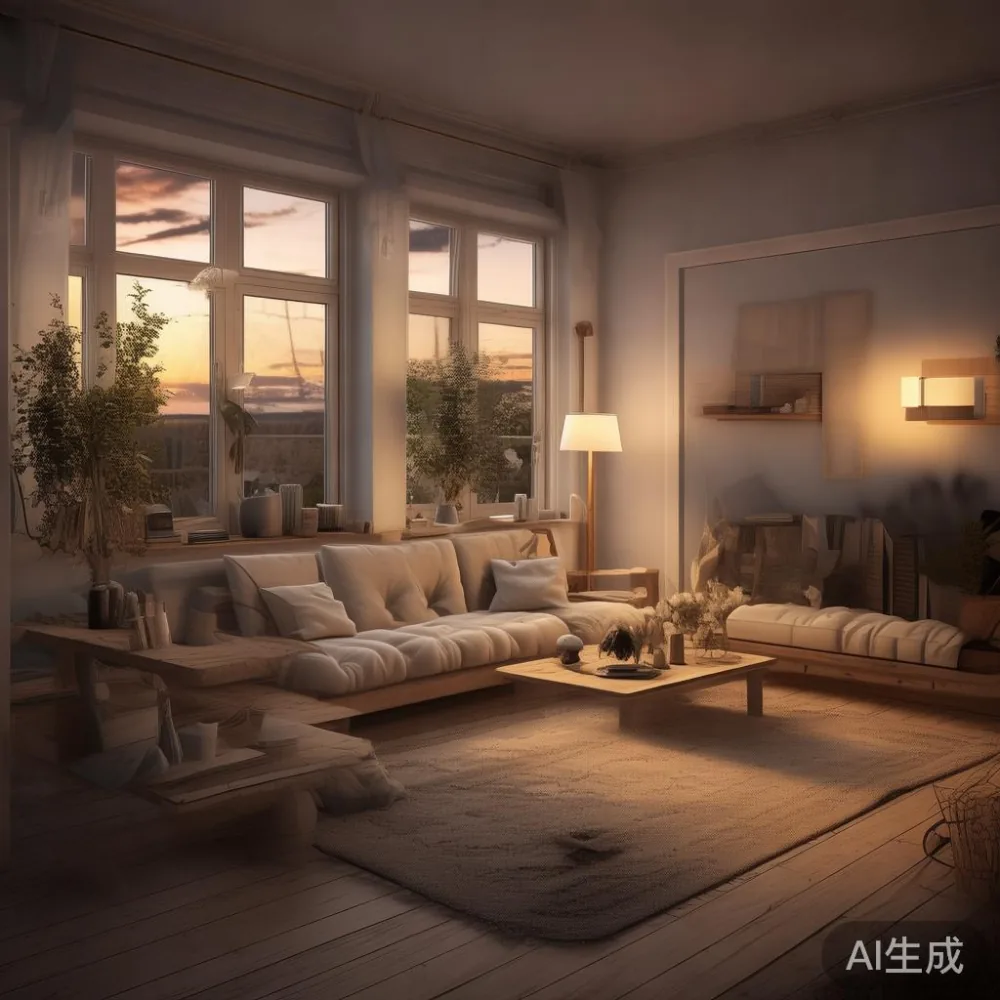
The breakdown below uses metric measurements (a king-size bed frame here is 180 cm × 200 cm, not 76" × 80"), Singapore-dollar pricing, and the practical constraints anyone living in a 3-room HDB or a 5-room condo actually faces: lift doors around 90 cm wide, corridor turns of roughly 1.2 m, and the 9% GST added at checkout.
The wood species — and why "oak" and "oak" can mean two different bills
Solid wood furniture starts with a board, and the board sets the floor of the price. North American white oak (Quercus alba) runs roughly S$2,800–S$3,400 per cubic metre of rough lumber, while European oak in the same grade sits closer to S$3,600. Chinese oak, often sold as "oak" in regional catalogues, can be S$1,500–S$1,900. Ash, popular in Scandinavian furniture lines because of its pale, straight grain, lands in the S$2,200–S$2,700 band. Walnut — used in the heavier, darker light luxury sofas and headboards — pushes the figure past S$5,500 per cubic metre. A single 200 cm × 100 cm dining table top in solid white oak, 4 cm thick after planing, consumes about 0.08 m³, so the raw-wood component alone is in the S$220–S$270 range before labour, finish, or freight.
Buyers who see "solid wood" on a price tag and assume the species is irrelevant are the ones who later wonder why their S$900 bedside nightstand dents when a S$1,600 one does not. The harder the wood (white oak rates around 1,360 on the Janka scale; ash around 1,320; rubberwood used in cheaper pieces around 1,050), the more it resists the daily knocks of a HDB living room.
Joinery, not glue, is where most of the hidden cost lives
Last month at the Foshan shop floor I watched two dining tables being assembled side by side, both in the same 200 cm white oak. The first used dowel-and-glue joinery — the aprons were pinned to the legs with 8 mm wooden dowels and polyvinyl acetate adhesive. The second used mortise-and-tenon joints, drawbored with a small hardwood peg, plus a corner brace glued and screwed inside each leg. The second table took roughly 90 minutes longer to assemble and required a worker earning around S$2.30 an hour rather than S$1.40. Multiplied across 40 hours of joinery per piece, the labour delta alone is S$36, and the mortise-and-tenon table carries a 10-year structural warranty where the doweled one carries a 3-year warranty. That warranty is not a marketing line — it is a calculated bet by the maker about how long the joints will hold under a 90 kg load in a Tampines family of four.
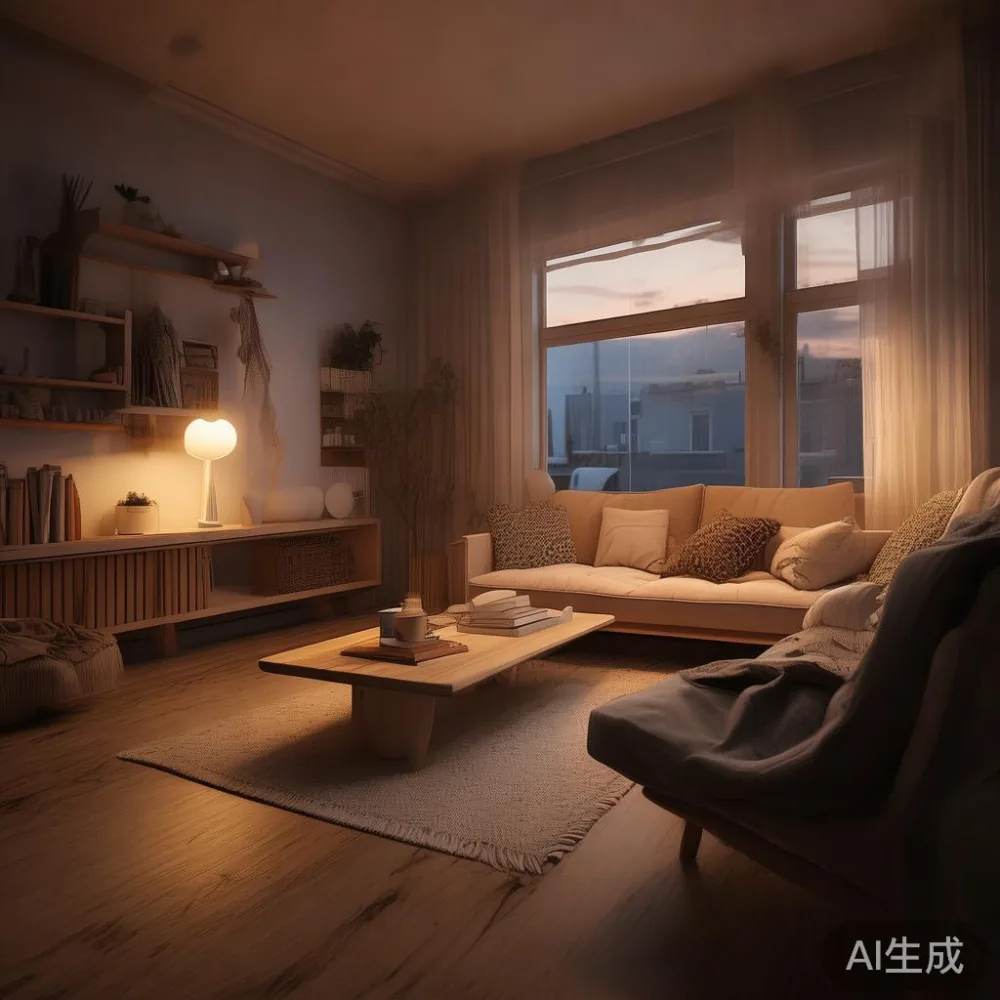
For a solid wood sofa frame, the same logic applies: traditional Chinese corner blocks, kiln-dried before assembly, add about S$45–S$60 per sofa to the cost but extend the useful life from roughly 7 years to 15+. A wardrobe with full-length back panels (8 mm ply, not 3 mm cardboard) costs more in material and shipping — the extra 4 kg per panel, across six panels, is meaningful when you are paying air-freight rates to Singapore.
Finish, hardware, and the small print that doubles a quote
A finish is not just colour. A single coat of nitrocellulose lacquer on a bed frame takes about 20 minutes per side and costs roughly S$0.40 per square metre in material; a five-coat hand-rubbed oil-and-wax finish on the same headboard takes three hours and costs closer to S$9 per square metre in labour and material. The first finish is what you find on most entry-level Scandinavian furniture pieces; the second is what you find on a light luxury bed frame in a French light luxury or post-modern light luxury collection.
Hardware is the other quiet cost driver. Soft-close drawer runners from a European maker cost S$18–S$28 per pair; basic Chinese-made runners cost S$3–S$5. A six-drawer wardrobe therefore carries a hardware cost somewhere between S$18 and S$168 depending on the choice. Hinges, leg glides, and the felt lining inside a jewellery drawer in a nightstand all stack up in the same way. Last month I opened a bedside cabinet at the MIDHILL showroom that retails for S$1,250 — the hinges alone were S$32 per pair.
How much should a Singapore buyer actually budget in 2025?
Translating the above into a living-room set for a 4-room HDB in Punggol, with GST and delivery into a unit on the 14th floor:
• A 220 cm solid wood dining table in ash or white oak, with two extension leaves: S$2,200–S$3,400
• Six dining chairs in solid beech with woven seats: S$1,400–S$2,200 for the set
• A solid wood bed frame, king-size, with a slatted base: S$2,600–S$4,800
• A three-seater solid wood sofa frame with removable cushions: S$3,000–S$5,500
• A two-door wardrobe, 180 cm tall, with soft-close hardware: S$2,400–S$3,900
• A pair of bedside nightstands: S$900–S$1,600 for the pair
• A round marble table for the entryway, 80 cm diameter: S$1,100–S$2,400
Add delivery from Foshan (roughly S$280–S$520 for a full living-and-dining set by sea freight to Singapore, plus S$60–S$120 for the last-mile lift-up, depending on whether the lift is a passenger one at 1.1 m wide or a service one at 1.5 m wide), and the 9% GST, and a complete Scandinavian-furniture-inspired living-dining set lands between S$13,500 and S$22,500. The wide range is not a trick — it reflects exactly the species, joinery, finish, and hardware decisions described above.
How do I choose a boho style for a HDB living room?
Pick one solid-wood anchor piece in a Scandinavian furniture silhouette — usually a light-oak dining table or a low-profile ash bed frame — and layer rattan, linen, and warm textiles around it, because boho works in a HDB living room when you keep the structural pieces quiet and let the soft furnishings carry the pattern and colour.
In practice, that means resisting the urge to buy a heavily carved solid wood sofa or an ornate marble table as your centrepiece. A flat-front wardrobe in ash, a 220 cm dining table with a 4 cm top and gentle taper, and a single marble table — perhaps an 80 cm round one — in the entryway, all in pale Scandinavian-furniture tones, will leave room for a kilim rug, two rattan armchairs, and a cluster of plants without crowding a 4-room HDB layout. The Scandinavian furniture bones keep the room from tipping into visual noise, which is the most common mistake I see in Punggol and Sengkang flats where the owners genuinely love boho but end up with a room that fights itself.
What about shipping, lift access, and the HDB-specific hidden costs?
This is where Singapore buyers get surprised. A solid wood dining table top in one piece at 220 cm × 100 cm × 4 cm will not fit through a standard HDB lift door (typically 90 cm × 210 cm) on edge — it needs to be tilted, which most cannot be. A responsible maker therefore builds the top in two halves with a centred leaf, or supplies the top unsanded for on-site gluing, or — the most common solution — ships it flat with a detachable apron so the top can be carried up separately. All three options add roughly S$120–S$220 to the final price.
Corridor widths in newer condos are kinder (around 1.3 m), but the turn from corridor to front door in many older HDB blocks is closer to 1.0 m, which is why a wardrobe taller than 190 cm usually has to be delivered in two pieces with a field-assembly charge of S$80–S$160. Marble tables are particularly unforgiving: an 80 cm round Carrara marble top weighs around 42 kg, and a 120 cm oval one around 78 kg, both of which require two deliverymen and sometimes a third for staircases in walk-up blocks. The line item "delivery and lift-up" on a MIDHILL quote is therefore not padding; it is a calculated sum of weight × floor × access × manpower.
What does a real warranty actually cover?
A 10-year structural warranty on a solid wood bed frame means the maker will repair or replace the frame if a rail cracks, a joint fails, or a slat breaks under normal use — and normal use means a 90 kg sleeper on a slatted base, not a 140 kg sleeper jumping onto it. A lifetime refinishing offer, which MIDHILL provides on most of its Scandinavian furniture lines, means the factory will sand and re-oil the surface of your dining table or wardrobe at cost for as long as you own it. In practical terms, that service runs about S$180–S$280 per piece per refinish, and most owners refinish their ash dining table every 8–10 years. The warranty is the strongest single signal you can read about how the maker priced the joinery and finish in the first place.
Is there ever a reason to pay less for solid wood?
Yes — for pieces that will not be load-bearing or will not be kept for decades. A bedside nightstand that holds a phone, a lamp, and a book is a reasonable candidate for a cheaper dowel-joined construction, because the structural demands are low and the finish will probably be replaced when the next renovation cycle comes around in 7–10 years. The same logic applies to a small entryway console or a set of floating shelves. The pieces where paying more pays back are the dining table, the bed frame, the wardrobe, and the sofa frame — the four things in a HDB home that are hardest to replace and most visible every day. A S$4,800 dining table that lasts 25 years costs S$192 a year; a S$1,400 one that lasts 9 years costs S$156 a year, but it also has to be moved, sold, and disposed of twice in the same period, which in a Punggol flat means two moves, two lift bookings, and two listings on Carousell.
Where the price goes when you cross into light-luxury territory
French light luxury, American light luxury, and post-modern light luxury are usually applied to upholstered pieces — a solid wood sofa with bouclé or linen covers, a bed frame with a channel-tufted headboard — but the term also reaches the cabinetry. A Scandinavian furniture base (clean lines, pale ash or white oak) with French light luxury details (brass-plated legs, a marble table top in Calacatta, hand-rubbed lacquer with seven coats) typically doubles the price of the equivalent all-wood piece. The brass hardware alone on a single nightstand can be S$140–S$220. American light luxury tilts warmer — walnut frames, brushed bronze hardware, deeper leather pulls. Post-modern light luxury leans into curves and mixed materials: a marble table with a sculptural travertine base, a solid wood bed frame with an arched headboard in ash veneer over solid ash.
The reason these sub-categories command a premium is that they combine the cost drivers already discussed — premium species, hand joinery, multi-coat finishes — with labour-intensive detailing that does not scale. A brass leg cast and polished by hand takes 35 minutes; the same leg cast in a mould takes 90 seconds. The 35-minute version costs about S$38; the moulded version costs about S$6. That S$32 difference, multiplied across four legs on a marble table and across a whole collection, is the gap between a S$1,200 piece and a S$3,200 piece that looks, at first glance, fairly similar.
Is Nordic entryway furniture from Japan worth importing?
The phrase Nordic entryway furniture japan describes a fairly specific category — pale, low-profile Scandinavian-furniture entryway pieces (shoe cabinets, console tables, slim wardrobes, bench-and-hook combinations) finished to the tighter tolerances common in Japanese cabinetmaking, often with a marble or stone top and soft-close hardware throughout. For a HDB entryway in a Punggol or Bedok flat, where the foyer is usually 1.2–1.6 m wide and around 3 m deep, these pieces are a particularly good fit because the depth stays under 40 cm and the height rarely exceeds 110 cm, both of which keep them inside the lift envelope and clear of corridor turns. The price premium over a mainland-made equivalent runs 30–60%, but the tolerances (drawer gaps under 1 mm, hardware cycles rated to 100,000 openings) are the kind of detail you cannot see in a showroom photo and only appreciate in year three when the drawers still close the way they did on day one.
If you are pricing one for a HDB, budget S$1,800–S$3,200 for a 120 cm console with a stone top, S$900–S$1,500 for a two-door shoe cabinet in ash, and another S$200–S$400 for delivery into a unit above the 10th floor. Whether the import premium is worth it depends on how long you plan to stay in the flat — under five years, probably not; over ten, almost certainly.
Reading a price tag like a maker, not a shopper
The short version is this: solid wood furniture is priced by the metre of premium timber in the frame, by the hour of skilled joinery in the load-bearing joints, by the number of coats on the surfaces you touch, and by the weight of the hardware you open and close every day. Everything else — the showroom rent, the catalogue photography, the brand name on the hangtag — is small change against those four line items. Once a Singapore buyer can read those four numbers on a quote sheet, the gap between a S$1,200 and a S$4,800 piece stops being a mystery and starts being a choice.