What Actually Drives the Price of Solid Wood Furniture
In the quiet corners of a Tampines HDB flat or the airy expanse of a Punggol condominium, the choice of furniture is a deliberate one. It’s not merely about filling a space but about crafting a home that reflects a sense of calm, quality, and longevity. For many Singaporeans, the allure of solid wood furniture is undeniable. Its natural grain, warmth, and durability promise an enduring presence in a home where space is optimised and style is paramount. Yet, the price tags can vary dramatically, from a modest SGD 1,500 for a dining set to over SGD 10,000 for a comprehensive suite. Understanding the factors that contribute to this cost is key to making an informed decision that aligns with your budget and aesthetic vision.
Is Solid Wood Furniture Worth the Investment for Singapore's Compact Living Spaces?
The question of value is particularly relevant in Singapore. With an average HDB flat size of around 100 square metres and condominiums offering more square footage but often at a premium, every piece of furniture must earn its place. Solid wood furniture excels here. Unlike flat-pack alternatives that may need replacement after 3-5 years, a well-made solid wood bed frame or dining table can last for decades. This longevity translates to a lower cost of ownership over time. Also, solid wood pieces are often more substantial, reducing the feeling of a cluttered space. A solid wood wardrobe, for instance, offers solid storage without the flimsy construction of particleboard alternatives, making it a practical choice for Singaporean homes where organisation is key. The initial investment is higher, but the return in terms of durability, timeless appeal, and reduced replacement costs makes it a sound financial decision for the long-term resident.
The Core Factor: Wood Species and Grade
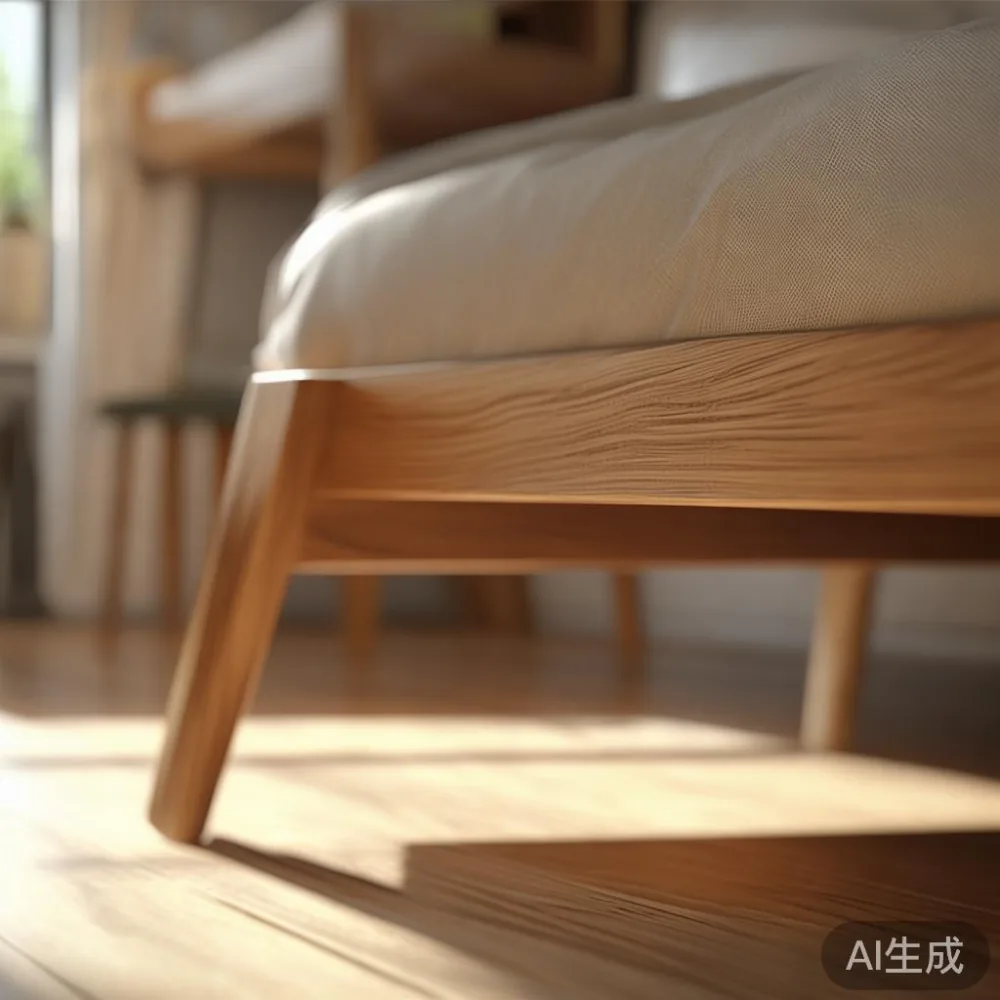
At the heart of any solid wood furniture's price is the material itself. The type of wood used is the single most significant determinant of cost. Hardwoods, derived from deciduous trees, are denser, more durable, and more expensive than softwoods, which come from coniferous trees. For a piece like a solid wood sofa, the choice of wood for its frame and legs is critical. Common hardwoods used in quality furniture include oak, walnut, ash, and maple. Oak, with its prominent grain and exceptional strength, is a popular choice for dining tables and bed frames, often costing between SGD 800 and SGD 2,500 for a medium-sized table. Walnut, prized for its rich, dark colour and straight grain, is a step up in price, with a dining table starting from SGD 2,500. Teak, known for its natural resistance to moisture and pests, is ideal for Singapore's climate and is often used for outdoor or high-durability indoor pieces, commanding prices from SGD 1,500 upwards. On the other hand, softwoods like pine are more affordable, making a pine dining table a accessible option starting from SGD 600, though it is more susceptible to dents and scratches over time.
The grade of the wood also plays a important role. 'Select' or 'First' grade wood has a uniform colour, minimal knots, and a straight grain, making it the most visually appealing and expensive. 'Common' grade wood may have more knots, colour variations, and minor imperfections, which are perfectly acceptable for a rustic or industrial look but are priced lower. A European light luxury nightstand, for example, might use a select grade of walnut for its clean lines and unblemished surface, justifying a higher price point than a nightstand made from common grade ash with more characterful knots.
From Workshop to Home: The Impact of Craftsmanship and Manufacturing
Not all solid wood is created equal, and the process by which it is transformed into furniture has a profound impact on its price and longevity. The method of construction separates a piece that will last a lifetime from one that may fail after a few years.
Jointery is a cornerstone of quality furniture. The strongest, most traditional, and most expensive method is mortise and tenon joinery, where a protruding tenon on one piece fits into a cavity (mortise) on another, often secured with a wooden peg. This technique, used in the frames of high-end dining tables and bed frames, provides exceptional strength and stability. A dovetail joint, where interlocking wedge-shaped 'tails' and 'pins' create an incredibly strong bond without fasteners, is the hallmark of a premium drawer, as seen in a well-made wardrobe or nightstand. These handcrafted or machine-cut joints are labour-intensive, contributing significantly to the cost. In contrast, cheaper furniture often relies on dowels, staples, or simply glue and screws, which are far less durable and prone to failure under stress.
My colleague visited a workshop in Foshan last month and observed this firsthand. He saw a team of artisans hand-carving the legs for a marble table, a process that took over two hours per leg. This level of skilled craftsmanship is reflected in the final price. Furniture constructed with these traditional methods commands a premium because it is built to be disassembled and repaired, not discarded. When considering a European bed vs Modern bed, the construction method is a key differentiator. A traditional European bed frame might use mortise and tenon joints for its headboard and footboard, while a modern bed might use simpler bolted connections, influencing both its price and its long-term structural integrity.
Design, Finishes, and the Light Luxury Aesthetic
Design is not just about aesthetics; it’s a complex interplay of form, function, and materials that directly influences price. A minimalist design with clean lines may seem simple, but achieving that simplicity with high-quality materials is challenging. The American light luxury style, for instance, often features expansive surfaces of solid wood, which requires large, flawless planks of wood, driving up material costs. The design of a solid wood sofa, for example, involves not just the choice of wood but also the design and quality of the upholstery, the comfort of the cushions, and the engineering of the frame.
The finish is another critical element. A high-quality finish protects the wood, enhances its natural beauty, and determines how it will age. A hand-rubbed oil finish, which penetrates the wood grain and offers a natural, tactile feel, is labour-intensive and more expensive than a spray-applied lacquer or varnish. A post-modern light luxury piece might feature a two-tone finish, with a deep stain on the body and a natural wood finish on the details, a process that requires precision and multiple coats of finish. This attention to detail is what defines the light luxury category—it’s about understated opulence, high-quality materials, and impeccable execution.
Understanding how to style light luxury bed in room involves appreciating these design subtleties. A bed frame with a sophisticated, multi-step finish and subtle inlays will naturally be more expensive than a plain, single-colour piece. The design complexity, the quality of the hardware (e.g., solid brass vs. plated steel), and the aesthetic cohesion all contribute to the final price. A simple, unadorned dining table will always be less expensive than one with detailed carvings, inlays, or a live edge that requires special handling and finishing.
Understanding the True Cost: Beyond the Price Tag
When you look at the price of a piece of solid wood furniture, you must consider the entire value proposition. This includes the warranty, the delivery logistics, and after-sales service—factors that are particularly important for Singaporean consumers.
A structural warranty is a clear indicator of a manufacturer's confidence in their product. A 10-year structural warranty, like the one offered by some established makers, means the company stands behind the integrity of its joinery and frame construction for a decade. This provides peace of mind, knowing that your investment is protected against defects in materials and workmanship. For a major piece like a wardrobe, which bears significant weight, this long-term assurance is invaluable. It’s a safeguard against issues like warping, joint failure, or leg breakage that could render the furniture unusable.
Logistics and delivery are a significant part of the cost, especially for a country like Singapore. A large wardrobe might weigh 80-100 kg and have dimensions of 220cm in height, requiring careful handling to work through HDB corridors and lift landings. The cost of specialised vehicles, trained personnel for safe delivery, and managing the logistics from a workshop in Foshan to a customer's home in Bedok is substantial. Free shipping over a certain threshold, such as SGD 350, is a benefit that offsets this cost for the customer, reflecting the company's commitment to customer convenience.
The return policy also adds to the value. A 14-day return window allows a customer to live with a piece for a short period to ensure it fits their space and lifestyle. This is particularly helpful when trying to figure out how to choose Mid-century modern wardrobe, as seeing it in person can reveal details about scale and finish that photos cannot capture. This policy reduces the financial risk for the buyer, making the purchase a less daunting decision. A company that offers such services is not just selling a product; it is providing a complete customer experience, which is factored into its pricing model.
How to Work through the Market for Your Singapore Home
Armed with this knowledge, you can approach the purchase of solid wood furniture with greater confidence. Focus on the value rather than just the sticker price. Ask questions about the wood species, the grade, and the type of joinery used. Request to see close-up photos of the construction details, such as the dovetails on a drawer or the mortise and tenon joints on a table leg. These are the hallmarks of quality that justify a higher price.
Consider the specific needs of your home. In a compact HDB flat, a multi-functional piece like a solid wood dining table that can also serve as a workspace might be more valuable than a larger, purely ornamental one. For a guest room, focusing on Modern light luxury for guest room means selecting pieces that offer comfort and style without being overly bulky. A nightstand with a drawer and an open shelf provides practical storage without taking up too much floor space.
When styling your bedroom, the question of how to style Japanese sofa in bedroom might arise. A Japanese-inspired sofa often features clean lines, a low profile, and natural materials like light oak or walnut. Pairing it with a simple European light luxury nightstand in a complementary wood tone can create a harmonious and sophisticated look that blends styles smoothly. This thoughtful curation, based on an understanding of materials and design, is what improves a room from simply furnished to beautifully designed.
The origin of the furniture also matters. Reputable makers in Foshan furniture hubs have built their reputation on quality control and skilled craftsmanship. While the price may be higher than mass-produced items, the assurance of consistent quality and ethical manufacturing is worth it. By choosing a maker with a proven track record, you are investing in a piece of furniture that has been made with care and designed to be a lasting part of your home.