Understanding Humidity's Impact on Wood Furniture in Singapore
Singapore’s warm, humid climate can change the dimensions, surface and joints of solid wood furniture. In HDB flats and private condos from Tampines to Bedok and Punggol, indoor conditions may still fluctuate because of air-conditioning, ventilation, balcony doors and compact lift corridors. The aim is not to fear wood, but to choose, place and care for it intelligently.
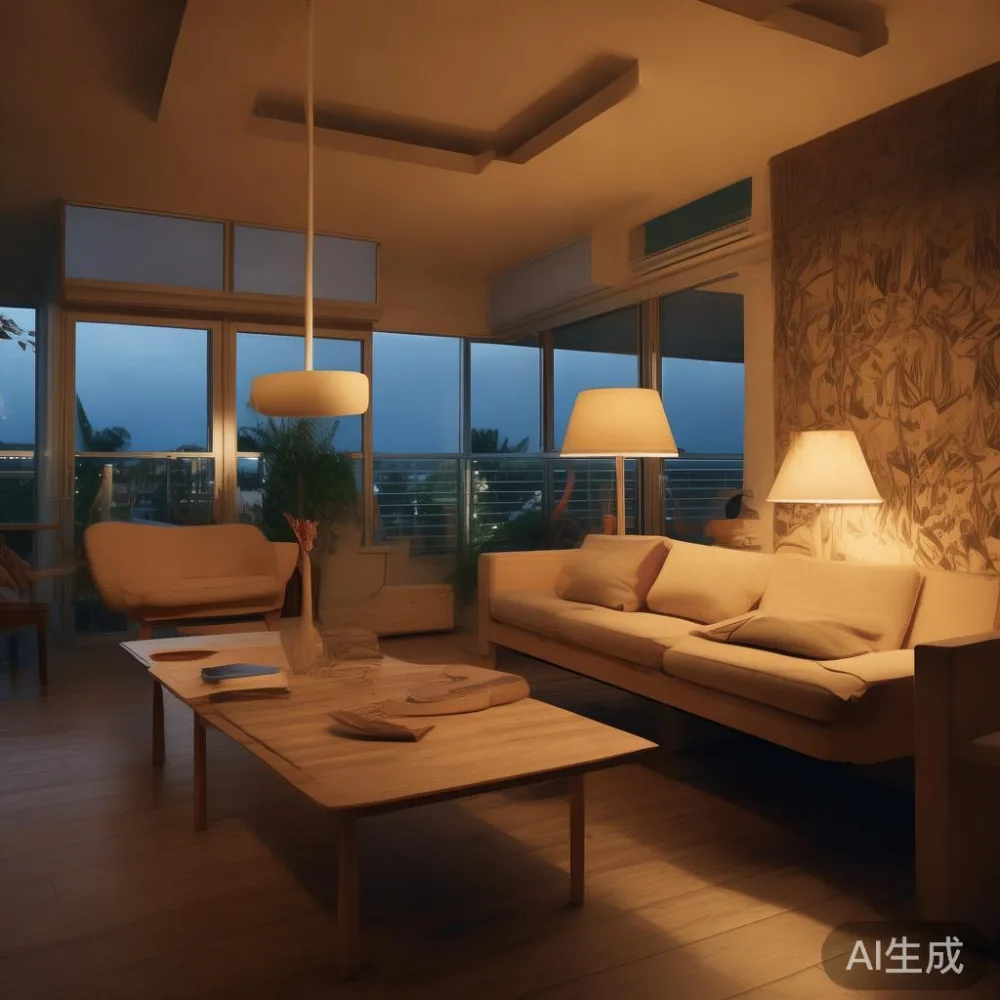
At MIDHILL, a Foshan solid wood furniture maker established in 2008, we design practical furniture for real homes. Our scandinavian furniture approach combines restrained forms with stable construction, while clear care guidance helps customers protect pieces through Singapore’s monsoon seasons.
Why does humidity affect solid wood furniture?
Wood is hygroscopic: it absorbs moisture when the surrounding air is humid and releases moisture when the air becomes dry. Fibres can swell, shrink or twist as they respond. A dining table may gain several millimetres across its width during a damp period; a bed frame may develop a faint gap at a joint; a wardrobe door may no longer sit perfectly flush.
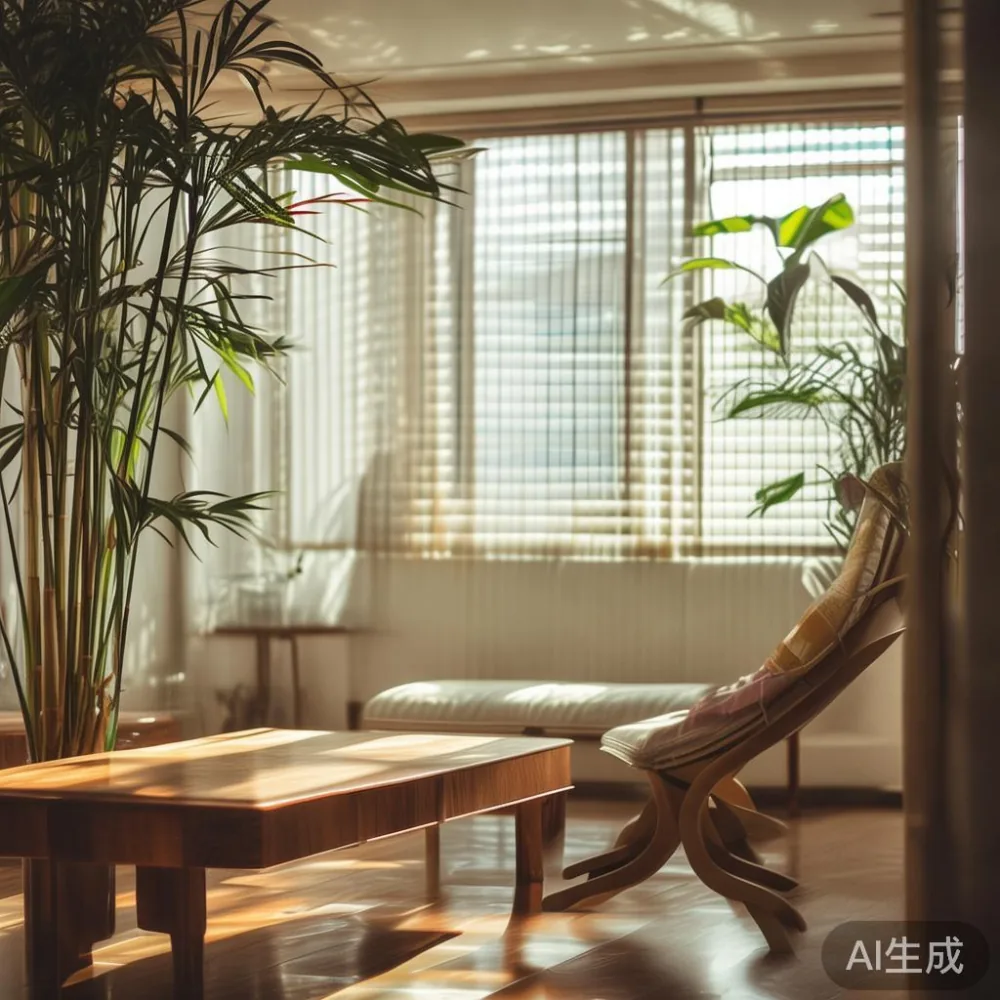
The movement is not automatically a defect. Properly kiln-dried wood continues to respond to the room, so a measured allowance is built into sound construction. Movement becomes troublesome when moisture changes quickly, a panel is poorly ventilated, or furniture is pressed tightly against a wall or floor.
Singapore’s monthly relative humidity often ranges broadly from about 60% to 85%, although readings vary by location and weather. An HDB living room near a west-facing window can become damp even while the rest of the unit feels comfortable. At night, an air-conditioner may lower humidity to 40% or less. Repeating those cycles can stress solid timber more than steady conditions.
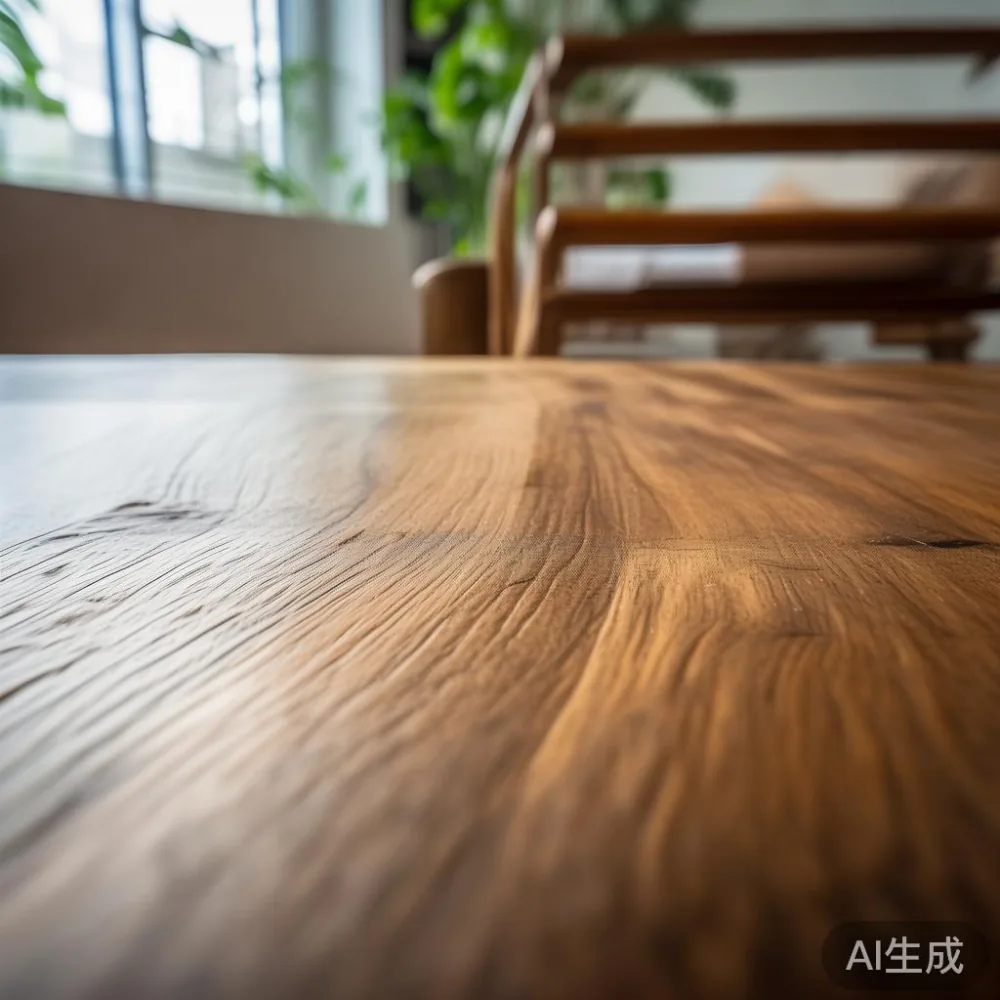
Use an inexpensive digital hygrometer placed near, not directly against, a wooden dining table or wardrobe. Check it at roughly the same time each morning and evening for 7 days. A reading around 45% to 65% is comfortable for many homes; readings near 70% deserve attention, especially if mould, musty odours or condensation are present. Avoid interpreting one number as a diagnosis: wood species, thickness, finish and local airflow all matter.
What changes can appear in a bed frame, dining table or wardrobe?
A solid wood bed frame can bow across a long headboard if one face is repeatedly exposed to humid air. The movement may be only 2–4 mm, yet a rubbing door or squeaking joint can reveal it. Allow about 5–8 cm of ventilation space behind a freestanding headboard where the layout permits.
Dining tables show humidity effects readily because timber surfaces are broad and often close to kitchen or balcony doors. Place them at least 60 cm from a wet area, use a coaster under drinks and avoid steam from a hot pot. Wipe spills within 10 minutes rather than waiting overnight. Underfloor or table legs should not sit in a puddle created by mopping.
A solid wood wardrobe needs airflow along its back, sides and top. A fitted unit may remain stable, but an isolated wardrobe pressed into an 85% RH corner can trap moisture. Keep about 5 cm behind movable wardrobes and inspect the skirting area every 3 months. European light luxury wardrobe shoppers often compare finish quality and panel movement, so ask the supplier about timber moisture conditioning and the warranty terms.
Drawers can rub as their timber expands. Do not force them. Remove items, reduce nearby humidity and let the room stabilise for 48–72 hours. If a drawer remains tight after conditions improve, adjust it gradually rather than filing the dry timber. Small corrections of 1–2 mm may be enough.
How should I choose furniture for an HDB flat or condo?
Measure the delivery route before selecting a large piece. Common HDB lift openings are approximately 80–90 cm wide, while corridor turns and door widths vary by block. A dining table may fit the flat but fail to turn through a landing. Record the narrowest opening, the longest straight corridor section and the height of any overhead pipe or sprinkler fitting.
For a dining table, compare the top dimensions with the route rather than using the room photograph alone. A 200 cm × 100 cm top can be delivered vertically if it is light enough and the lift permits it, yet a 220 cm × 100 cm top may require a careful tilt or two-person handling. Check the lift’s posted load limit, commonly around 300–600 kg for passenger lifts, and never obstruct the fire door.
Compact scandinavian furniture can suit Punggol and Tampines interiors without making the route more difficult. A round dining table with a 110–130 cm diameter may turn through more easily than a deep rectangular one. A narrow nightstand measuring 35–45 cm wide gives a bedside surface while preserving a 60–90 cm circulation path. The goal is comfort, not merely fitting the largest possible object.
For a sofa, compare the frame, arm width and packed dimensions. Confirm whether the solid wood sofa arrives assembled or partly assembled. A lift-car diagonal may accept a compact package even when its floor dimensions suggest otherwise. Ask for a dimensioned delivery plan covering the HDB void deck, parking bay and corridor.
Buyers asking where to buy sofa from MIDHILL should request those measurements in writing, along with the delivery timeline, access conditions and return terms. Furniture for sale French provincial furniture markets may not disclose enough packaging information; route planning should be part of the purchase conversation.
What is the best way to control humidity around a marble table?
Marble table tops need a different care rhythm from solid wood bases and timber dining tables. Marble is less prone to swelling, but acidic liquids can etch its surface, and trapped water may affect the base, adhesive or cleaning process. Wipe a red-wine or citrus spill immediately. Use a pH-neutral cleaner and a soft cloth, and avoid vinegar, lemon juice and abrasive powders.
Keep a marble-topped coffee or side table away from an open balcony door during heavy rain. A hygrometer reading above 65% should prompt an inspection of nearby timber legs, although the marble itself should not be treated with water for several hours. Allow the surface to remain dry and stable. Protective pads under décor reduce scratches; coasters reduce rings.
Marble adds a French light luxury or post-modern light luxury character, but the surrounding room still needs balanced humidity. In a humid Southeast Asian interior, pairing a pale marble table with white oak, teak or ash can create a light, luxurious appearance without relying on excessive decoration. The style should serve the room’s climate and circulation.
How do I prevent moisture damage without ruining a solid wood finish?
Start with ventilation. Dry clothes outdoors where possible, run extraction fans in bathrooms and kitchens, and keep furniture at least 30 cm from a wall when space allows. In a condo near a pool deck or open-air car park, monitor the unit rather than assuming every room behaves the same.
Use a clean microfibre cloth and a product approved for the finish. Test it on a hidden 5 cm area and wait 24 hours. Avoid silicone polishes, ammonia-heavy cleaners and oil mixtures that can darken pale oak or create a sticky surface. A lightly damp cloth is safer than soaking a panel.
Control sudden changes. If the air-conditioner cools a room from 75% RH to 40% RH within an hour, the timber may contract rapidly. Aim for gradual transitions and use hygrometers in bedrooms and living spaces. Where a dehumidifier is appropriate, a unit rated for a 20–35 m² room can maintain a stable environment while air-conditioning already manages comfort.
Inspect pieces every 6 months. Look for 1 mm gaps, cloudy finish, swelling under a tray, soft board edges or a musty smell. Raise the item by 2–3 cm if floor moisture is suspected, and photograph the condition before taking action. Do not diagnose mould solely by appearance; repeated moisture requires correction, not cosmetic covering.
Can I compare different sofa and furniture styles without ignoring humidity?
Style comparisons are useful when they include build quality and environmental care. Japanese sofa vs Modern sofa is a common question, but the material structure deserves more attention than the silhouette. Compare solid timber frames, cushion density, ventilation space and the distance from a balcony wall. A Japanese-inspired low profile should not be placed so close to a damp floor that airflow is blocked.
French sofa vs Italian light luxury sofa may lead buyers toward decorative details, yet removable covers and replaceable cushions are practical advantages in a humid climate. Under 2000 American furniture can include broad styles, but buyers should check timber species, joinery, moisture information and after-sales support. A 10-year structural warranty is useful only when its conditions and covered components are clear.
American light luxury furniture can pair a solid wood sofa frame with neutral upholstery, while post-modern light luxury may use clean lines and a marble table. These categories belong in a climate-aware room, not a showroom display. Request fabric composition, care instructions and expected service intervals before ordering.
At MIDHILL, a MIDHILL bed should be assessed as a timber assembly rather than a decorative object. Check centre supports, ventilation gaps and the floor contact points. The structural warranty helps protect the frame, while lifetime refinishing supports long-term maintenance in a home where humidity will change.
What should I do when a new piece arrives after monsoon rain?
Inspect the carton and furniture before signing for delivery. Photograph the timber, joints, finish and packaging. If a dining table is cold or damp to the touch, let it acclimatise in a ventilated room for 24–48 hours. Do not place it against an exterior wall, under a leaking window or beside a wet mop bucket.
Keep the original packaging for at least 14 days. Singapore’s standard consumer expectations should be checked against the seller’s stated policy; MIDHILL offers a 14-day returns process and free shipping over US$350, but access charges and certain made-to-order items may need confirmation. Before delivery, discuss GST, lift booking and the 14-day return conditions so there are no surprises.
For taller wardrobes, leave 5 cm of rear ventilation and confirm that levelers contact a dry, even floor. For a nightstand, avoid placing it beneath a window that opens during rain. For a bed frame, check that protective packaging is removed and that headboards are not trapped against mould-prone surfaces.
Which measurements help keep furniture comfortable in Singapore homes?
A practical layout review includes 5 numbers: the narrowest lift opening, the narrowest corridor turn, the doorway width, the room humidity and the furniture’s packaged weight. Add a sixth for the delivery route: the maximum diagonal height available in the lift. These figures are more useful than a showroom photograph.
Allow 75–90 cm for a main walkway where possible, 60 cm in front of a wardrobe and 75 cm around a dining table used by seated guests. A sofa may project 90–110 cm into a living room; a round dining table of 120 cm diameter may leave comfortable movement if the room measures at least 3.5 m across in its shorter direction.
Colour and finish also influence perceived humidity. Pale scandinavian furniture can show water rings and colour changes clearly, so coasters, trays and controlled cleaning matter. Dark walnut can hide minor marks but still requires air movement. American light luxury finishes should be selected for maintenance, not only for visual impact.
Finally, ask who will service the piece. MIDHILL’s lifetime refinishing offer gives owners a route for future care, while the Foshan workshop’s experience since 2008 informs production and export to more than 15 countries. In Singapore, good furniture is not purchased only for one dry showroom day; it is maintained through 4 seasons, several air-conditioning cycles and many ordinary meals.