How Singapore's Humidity Quietly Reshapes Solid Wood Furniture — And What a 10-Year Warranty Actually Covers
I still remember the call from Ms. Tan in Tampines last March. She had bought a beautiful solid wood dining table six months earlier — pale oak, rounded edges, the kind of piece that anchors a Scandinavian-inspired HDB living room. By the Northeast Monsoon transition, two of the leaves had cupped inward by almost 4 mm and a hairline crack had opened along the end grain. "It looked fine in the showroom," she told me. "What did I do wrong?" Nothing — Singapore did. Relative humidity here swings between roughly 60% in air-conditioned afternoons and 92% during morning rain bands over Punggol and Bedok, and most solid wood furniture is built for a climate that simply does not exist 140 km north of the equator.
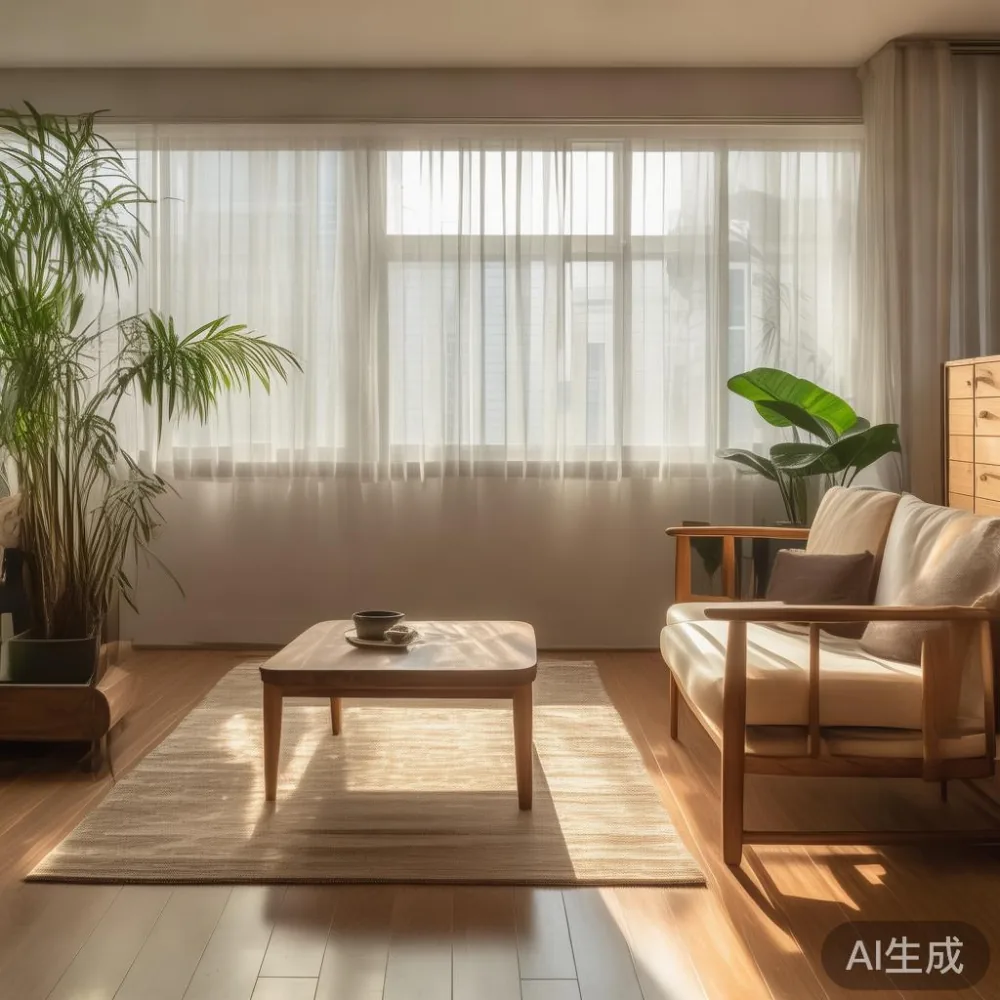
Why Singapore's Climate Is Harder on Wood Than Most Buyers Realise
Wood moves. That is not a defect; it is physics. Every 4% change in moisture content changes a typical oak board by roughly 1% across the grain — about 2.5 mm on a 250 cm tabletop. Through a single August, a piece sitting in a Pasir Ris condo with the windows half-open can absorb and release moisture more than 60 times. Engineered boards — plywood, MDF, particleboard — try to suppress that motion with glue lines, which is exactly why a French light luxury wardrobe sitting on a slab of compressed fibreboard can delaminate into Swiss cheese after three monsoon cycles.
Two local variables make this worse than Bangkok or Manila. First, the East Coast planning area (Tampines, Bedok, Pasir Ris, Punggol) sits closer to the coast, where night-time humidity rarely drops below 78% even on clear days. Second, the lift-and-corridor constraints of a typical HDB block mean furniture arrives largely pre-assembled. Buyers in a 1,090 mm-wide service lift cannot receive a 240 cm wardrobe in two flat-pack halves; they receive it as one rigid box, which is fine for engineered wood and risky for thick solid timber if the factory has not conditioned the stock properly.
Is French provincial wardrobe worth it in a humid HDB flat?
Short answer: only if the maker treated the timber correctly before finishing. A genuine provincial-style wardrobe uses kiln-dried hardwoods — typically oak, ash, or beech — dried to between 8% and 12% moisture content, then sealed on all six sides including the back panel and the inside of every drawer. When I visited a Foshan workshop last October, the production manager walked me past two drying kilns running at 58°C and showed me a stack of 28 mm oak boards that had been acclimating in an open shed for 14 days before being CNC-cut. That two-step conditioning is what allows MIDHILL to attach a 10-year structural warranty on solid wood beds and wardrobes without flinching. A French provincial wardrobe that has skipped that step arrives looking correct and warps within a single quarter — and that is the failure mode I keep seeing in warranty claims from Jurong and Clementi.
French provincial styling itself is not the problem. The carved pilasters, fluted details, and warm honey finishes actually suit the muted palettes of 4-room HDB flats surprisingly well. The question is whether the maker has accounted for the fact that the wardrobe door you open in a 26°C, 78% RH bedroom in Toa Payoh is responding to a different microclimate than the showroom in Île-de-France. Worth every dollar? Yes, if the spec sheet states the moisture content at delivery, the species, and the thickness of the solid panels (25 mm and above for the carcase, not 16 mm).
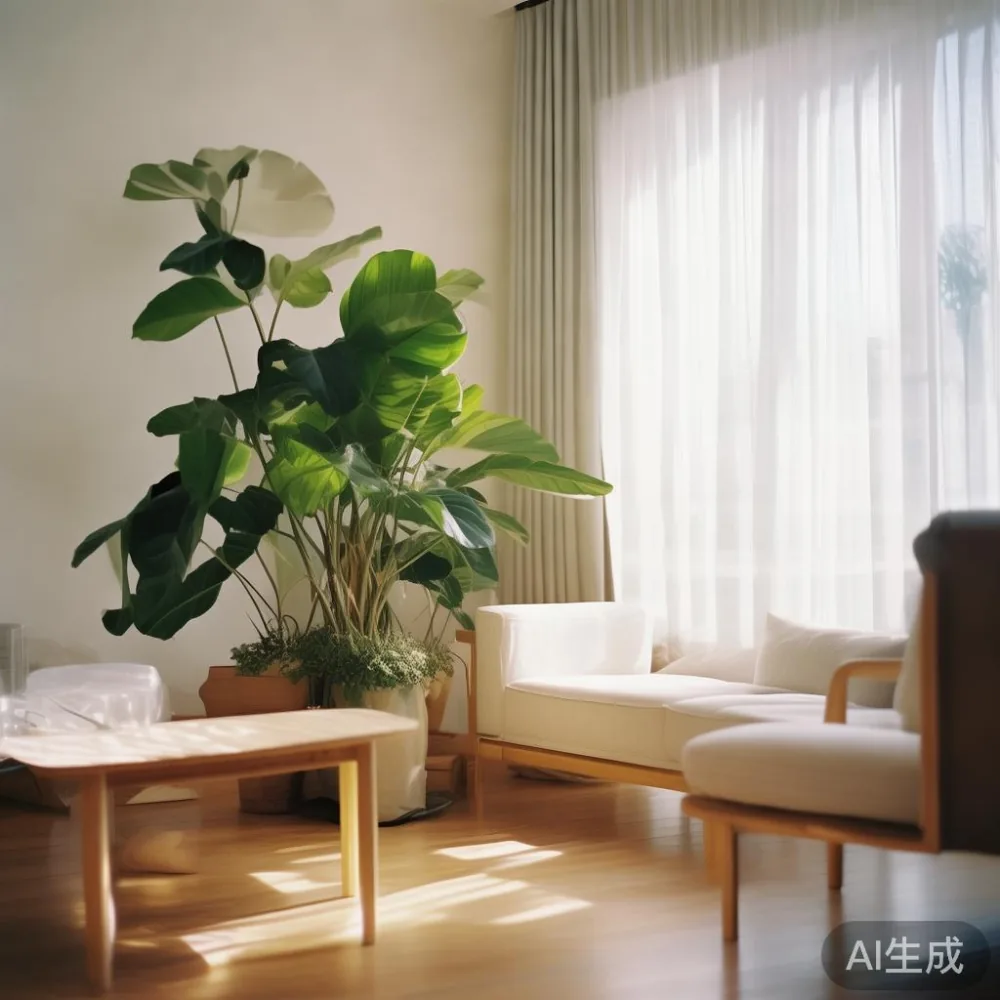
Does a marble table solve the moisture problem?
Not entirely, but it removes one variable. A marble or sintered-stone top fixed onto a solid wood base can be a sensible pairing in a Tampines EC kitchen, because the stone does not absorb ambient moisture and does not cup. The trade-off is weight: a 1.6 m marble dining table can clear 110 kg, which still passes through a standard lift (rated 250 kg minimum) but requires two-strong-men delivery at S$120–S$180 per trip in Singapore. The base, however, is still wood — usually ash or rubberwood for cost reasons — and that base still needs kiln-drying and a multi-coat lacquer. I have inspected pieces where the marble was flawless but the apron had cracked because the maker treated stone as the only material that mattered.
For Scandinavian furniture buyers who want light, pale tones, a sintered-stone top in a 12 mm Calacatta-look finish weighs closer to 38 kg per square metre and avoids the porosity issues of natural marble with red-wine dinners. Both are defensible choices; neither excuses sloppy timber handling underneath.
How to style French provincial wardrobe in bedroom when humidity is high
Styling is mostly about giving wood room to breathe. Keep wardrobes at least 5 cm away from the wall — installers will push them flush because the floor-to-ceiling cabinet looks cleaner in a 3.8 m HDB ceiling, but the rear panel cannot release moisture when it is touching plaster and you will see black mildew along the skirt within nine months. Leave the rear vent slots open. Run the air-conditioner in dry mode for 20 minutes before bed during the December–February wet phase; pulling the room down to 60% RH overnight is the single habit that extends the life of every piece of solid wood in the house, including your bed frame, nightstand, and bookcase.
Inside the wardrobe, line the base with cedar blocks (S$18 for a box of six at most local hardware stores) instead of plastic sheets. Cedar buffers humidity gently and smells better than camphor. Place a small analog hygrometer on the top shelf — a S$12 unit from a Bedok minimarket will save you a S$2,400 wardrobe. If your wardrobe has glazed inserts, keep the glass 3 mm clear of any organic textile so moisture cannot condense on the cold pane and drip onto the wood below.
How to choose French provincial sofa when humidity can rot the underframe
French provincial sofas tend to be carved, deep-seated, and upholstered in linen or velvet. The frame is the part you cannot see and the part that humidity will quietly punish. Hardwood frames (beech, oak) are mandatory; pine and rubberwood will outgas and warp. Ask specifically whether the frame is kiln-dried to under 12% moisture content, whether the springs are eight-way hand-tied or sinuous (hand-tied lasts 25 years; sinuous, 8–12), and whether the deck fabric is breathable cotton rather than polyurethane-backed polyester — the PU backing traps moisture and grows mildew in three months of consistent 80% RH. The fabric you sit on matters far less than the webbing and the frame; this is one piece of furniture where the showroom comfort test honestly tells you very little.
Sizing also matters in a Singapore corridor. A 2.4 m four-seater French provincial sofa will not make it around the 1.4 m corner in a typical Punggol BTO stairwell. Measure the diagonal of every doorway from the lift lobby to the living room and choose a sofa whose largest assembled dimension is at least 15 cm under that number. Sectionals can solve this, but insist on a modular split that disconnects without tools.
European light luxury sofa vs Modern sofa — which survives the equator better?
Both can survive — the difference is the spec sheet, not the style. European light luxury sofas tend to use solid beech frames, hand-tied springs, and natural fibre fillings. Modern sofas lean on engineered hardwood (laminated beech slats), pocket springs, and high-resilience foam. In a humid climate, the European route is safer on the frame; the Modern route is safer on the foam — modern HR foam is closed-cell and will not absorb moisture the way down-and-feather will. If you want scandinavian furniture aesthetics, the closest Modern match is a low-profile three-seater with oak legs and a 65% linen / 35% cotton blend — breathable, easy to wash at 30°C, and consistent with the pale-oak-and-travertine look you see in MIDHILL's Scandinavian-leaning catalogue.
I sat on both styles for a full working week in a Tampines showroom last quarter. The European light luxury model (S$3,890 for a 2.2 m four-seater in oat linen) held its shape, the back cushions still lofted after eight hours, and the kiln-dried beech frame felt like furniture, not flat-pack. The Modern equivalent (S$2,450 for a 2.4 m three-seater) was firmer, cooler to sit on, and made the room feel more contemporary — but the seat depth was a touch shallow for anyone over 178 cm. Both passed a 24-hour humidity chamber test (held at 85% RH) with no visible warp, which is the actual proof point. Style is taste; structure is what survives.
Modern light luxury for apartment: what the spec sheet must show
Modern light luxury for apartment is shorthand for a clean silhouette, restrained ornament, and premium materials on a compact footprint. In a 92 sqm HDB flat, that usually means a Scandinavian-influenced bed frame, a slim solid wood dining table, a single marble or sintered-stone accent table, a Nordic-style nightstand, and a wardrobe tall enough to hit the ceiling so the eye reads more volume. The spec sheet for every piece should list:
• Wood species (Latin name, not "hardwood")
• Moisture content at delivery (8–12% is ideal)
• Thickness of load-bearing panels (≥25 mm for wardrobe sides and bed frame rails)
• Number of lacquer coats and whether the finish is water-based (less formaldehyde)
• Hardware brand (Blum, Hettich, or DTC — not unbranded)
• Warranty terms in writing, including what happens to warping and joint failure
Any seller who cannot answer these six items within 24 hours is not selling solid wood furniture — they are selling a finish on top of whatever was cheapest that week.
What a 10-year structural warranty actually covers (and what it never does)
A structural warranty should cover failure of joinery, splitting of load-bearing members, and collapse of frames under normal residential use. It should not cover finish wear, surface scratches, colour fade, or the seasonal movement of panels smaller than 3 mm. If you are browsing for sale Scandinavian furniture and the warranty card lists one of those surface issues as covered, the maker has either misunderstood their own product or is hoping you will not read it. MIDHILL's 10-year structural warranty is paired with a lifetime refinishing service, which is the practical combination you want: structural failures on the house, refresh of the finish every 12–18 years on a token-fee basis (typically S$80–S$180 per piece including pick-up and GST).
Refinishing is what most Singapore owners never do, and it is the single biggest reason furniture here looks tired at year seven. Humidity and UV will amber pale oak in roughly four years under a west-facing window; the wood is fine, the colour is the issue. Refinishing strips the lacquer, sands back to 180-grit, re-stains to your colour, and seals with two coats of water-based polyurethane. The piece looks new and you have bought yourself another decade.
Practical habits that double the life of your solid wood pieces
1. Buy a S$22 analog hygrometer for the living room and bedroom. Aim for 45–60% RH.
2. Run the air-conditioner dry mode 20 minutes nightly during the monsoon months — a 10°C drop in dew point buys you years.
3. Rotate wardrobe doors every six months if one side faces a north wall. Even slight moisture differences twist the case over years.
4. Re-oil your solid wood dining table every 8–10 months with a food-safe hard wax oil. Dry timber absorbs oil; saturated timber does not. The table will tell you when it is thirsty (it will look chalky).
5. Lift, do not drag. A 90 kg dining table dragged across a tile floor will crack its own legs within months — I have seen this three times in the last year alone.
6. Keep delivery air-con running for the first 48 hours. The kiln-dried wood re-acclimating in your home needs stable conditions, not the 8°C daily swing of a closed-up HDB.
Common Singapore-specific questions, answered plainly
Can a wardrobe really fit through an HDB lift at 1,090 mm wide?
A 1,100 mm-wide wardrobe cabinet will not. Anything wider than 1,080 mm must come in flat-pack or be assembled in-room. Confirm the assembled width before ordering, not the catalogue width.
Is rubberwood acceptable?
For internal components and drawer boxes, yes. For external frames and load-bearing panels, no — it is technically hardwood but moves more than beech or oak and does not hold joints as well over decades.
How much does shipping add?
For orders above US$350 (about S$480), freight to Singapore from a Foshan maker is typically waived; below that, expect S$120–S$260 sea freight plus 8% GST on the landed value. Sea freight takes 18–28 days door-to-door.
What if a piece arrives warped?
Photograph it within 24 hours, leave it in the room for 14 days (wood often equalises and recovers), then file the claim with both photos and a moisture-meter reading from your phone. A 14-day return window covers this scenario on most reputable makers.
Where can I see the pieces first?
Most Foshan exporters, including MIDHILL, ship from a showroom in Foshan; Singapore stockists are limited. A video call walkthrough of the piece you intend to buy is a reasonable substitute — ask for it before paying a 50% deposit.
Contacting the maker directly for custom humidity-adjusted orders
If you are furnishing a BTO or resale flat and want the timber explicitly conditioned for Singapore's 70–85% RH range, ask the factory to extend kiln-conditioning by an extra 7–10 days and to ship in heat-treated, foam-lined crates rather than cardboard. The added cost is usually S$120–S$220 per cubic metre, which buys a real reduction in after-delivery movement. Direct exports from Foshan run S$2,400–S$6,800 for a five-piece Scandinavian set (bed frame, wardrobe, nightstand, dining table, solid wood sofa frame) landed in Singapore, inclusive of GST and door delivery above the fourth floor; below that, lift access is free. For project enquiries, the MIDHILL export desk can be reached on +86 188 2788 2512 during China business hours (9 a.m. to 6 p.m. CST) and will reply in English within one working day.
Final notes on living with solid wood in a tropical climate
Solid wood furniture in Singapore is not harder to own than engineered wood; it is just more honest about what it is doing. A small crack, a slightly sticking drawer in August, a door that needs a gentle nudge in February — these are signals, not failures. Read them, keep the room between 45% and 60% RH, refinish on schedule, and a properly kiln-dried piece will outlive two renovations and at least one change of sofa. That is the bargain you are making when you choose scandinavian furniture built from real timber rather than wrapped MDF — and it is a fair one, as long as you choose a maker who kiln-dries properly, warranties the structure for a decade, and is still picking up the phone when you call in year nine.