How Southeast Asian Humidity Affects Scandinavian Furniture in Singapore Homes
Singapore’s warm, humid climate can change the dimensions, surface and joint lines of solid wood furniture. In an HDB flat in Tampines, a dining table near a balcony may see a different moisture pattern from a wardrobe against an interior corridor wall. The outdoor relative humidity can reach roughly 80–90% during periods of heavy rain, while air-conditioned rooms may fall to about 45–60%. That repeated movement affects timber as it slowly gains and loses moisture.
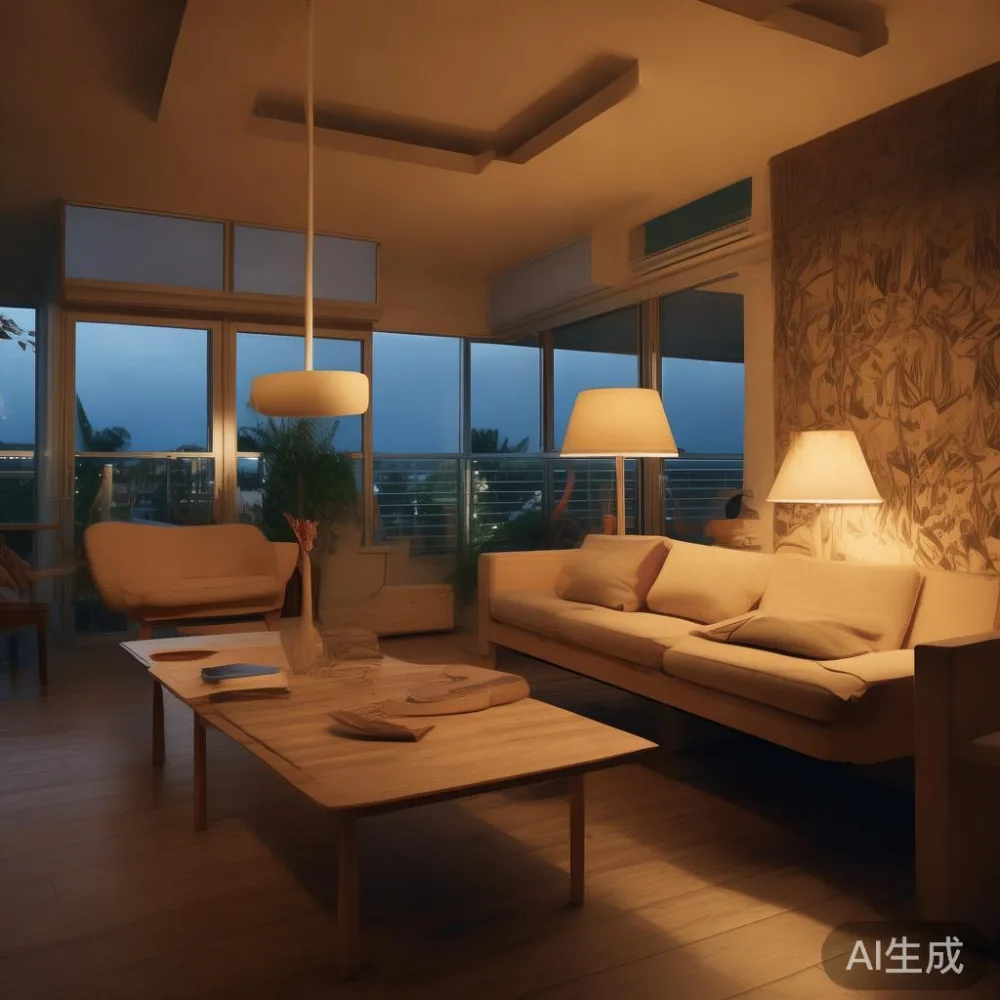
Good furniture design allows this natural movement without turning it into a defect. Species, board width, joinery, finishes and placement all matter. Scandinavian furniture often uses clean forms, pale timber and restrained detailing, making careful humidity control especially noticeable. MIDHILL builds its solid wood pieces with this kind of movement in mind, backed by a 10-year structural warranty and lifetime refinishing service.
Why does Singapore humidity make solid wood furniture move?
Wood is hygroscopic: its moisture content follows the surrounding air. A solid wood sofa frame, bed frame or dining table can expand across its grain by around 1–3% as humidity rises, then contract as the air dries. A 180 cm-wide solid timber board with cross-grain movement of 1% could change by about 1.8 mm. Small door gaps and drawer runners may shift by a similar practical amount even though the underlying timber remains sound.
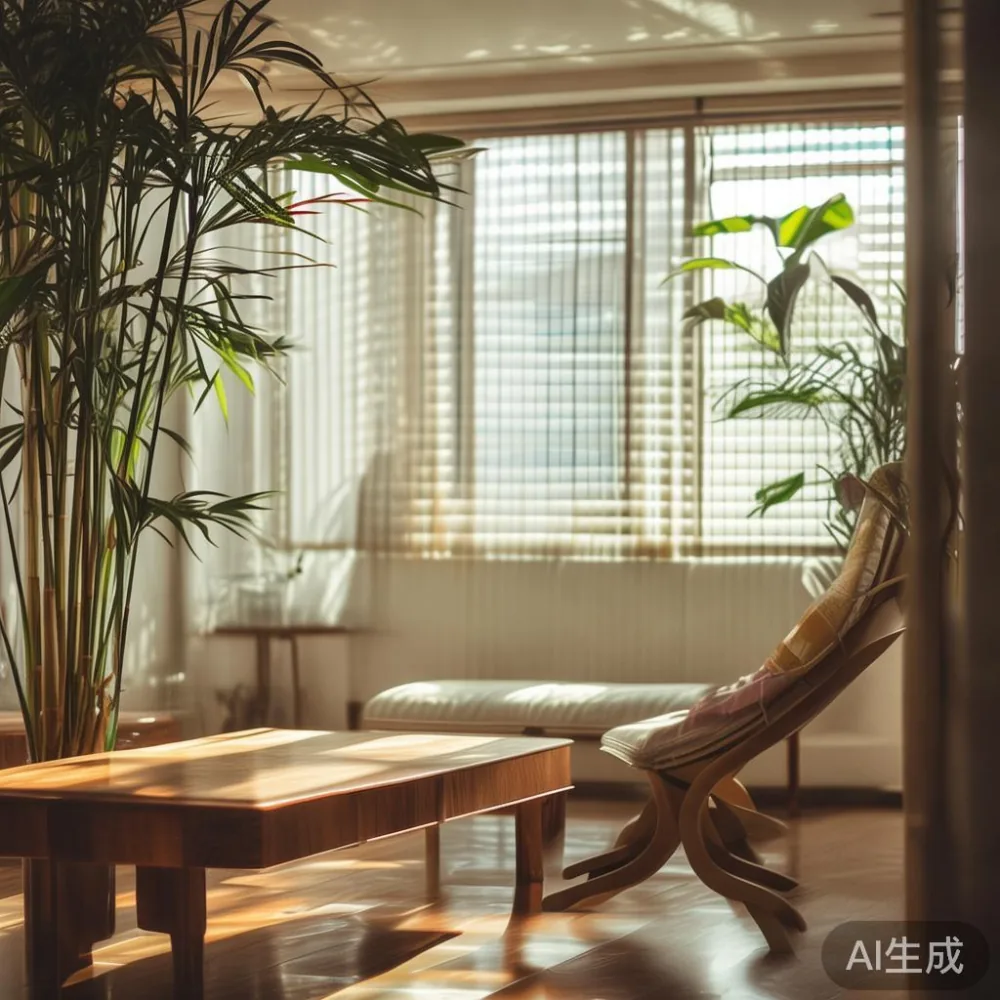
The movement is not random. Long edges usually change more than short edges, while movement across the width of a board is greater than along its length. Solid wood table tops can show slight seasonal variation in level; wooden legs may tighten or loosen in fitted floor protectors. Engineered panels move less because of their layered construction, but they still require sensible care.
Singapore’s equatorial conditions rarely produce the severe freeze-thaw cycling found in colder countries. The main stresses are persistent humidity, sudden air-conditioning changes, water exposure and slow ventilation. A condo near the coast in Bedok or Punggol may also receive moist air through balcony doors. Coastal salts and pollutants can leave residue on unprotected surfaces, although routine wiping usually handles light deposits.
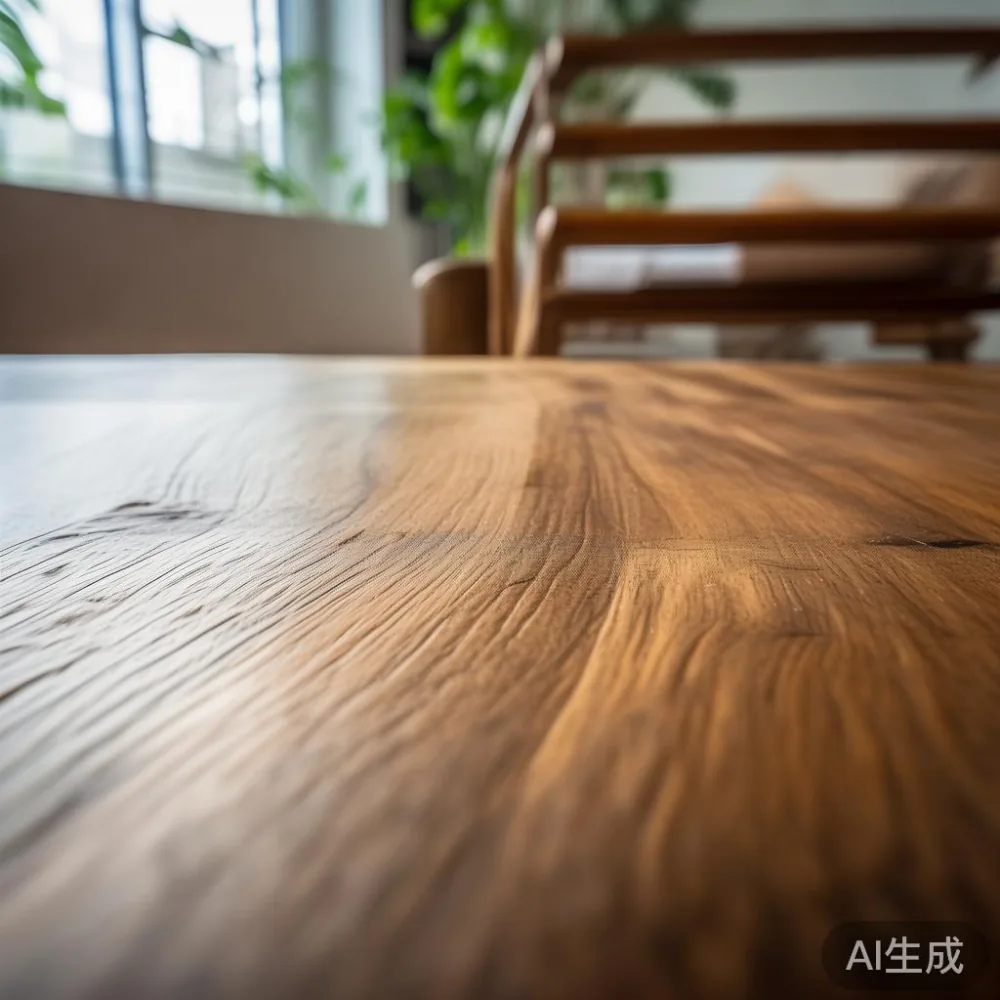
Temperature still influences response. Warm humid air and cooler air-conditioned air can produce changes within the same day. A room at 30°C and 75% relative humidity may dry toward 23°C and 55% when the air conditioner operates. Moving a nightstand from beside that room into a bedroom at 24°C and 60% can therefore cause measurable movement within 8–12 hours.
Which solid wood species suit Singapore homes?
Oak, ash, beech, teak, walnut and rubberwood are commonly used for solid wood furniture, but each has a different appearance and maintenance profile. Teak has a naturally oily character and performs well in humid conditions when its finishes are maintained. European oak shows pronounced grain and can accept pale Danish oils or matte finishes. American walnut gives a darker, more American light luxury mood, while ash supports Scandinavian furniture with a bright visual character.
Species alone cannot guarantee stability. A solid oak dining table that is correctly joined, finished and kept away from standing water has a good chance of serving a family for 10–20 years or more. The same timber stored in a damp, poorly ventilated cabinet can develop mould on its surface or corrosion around steel fittings. Airflow and care remain more important than a fashionable species name.
For coastal Singapore, homeowners often prefer teak, white oak or a durable light-toned hardwood. White oak is suitable for a bed frame or dining table when the maker controls drying and construction. Walnut is visually dramatic but often receives a clear finish to limit staining. Beech has a fine, uniform surface suited to Scandinavian furniture, though dents and cleaning marks can be more visible on pale beech.
Interior air quality also affects furniture. Aim for roughly 45–65% relative humidity where practical, with a hygrometer costing about SGD 20–45. Place it in the occupied room rather than beside an air-conditioner vent. If readings remain above 70% for days, improve ventilation, use laundry drying indoors only where the flat’s management rules allow it, and consider a properly sized dehumidifier.
How should I prevent swelling, cupping and joint movement?
Begin by giving each solid wood piece room to breathe. Leave at least 5–8 cm behind a freestanding wardrobe where the wall remains damp, and keep large timber surfaces at least 20–30 cm from frequently opened balcony doors. Do not push a solid wood bed frame tightly into a humid recess. Installation clearances need to account for seasonal movement, not merely the dimensions recorded on the packing list.
Use coasters and placemats rather than fabric runners during wet meals. A water ring of 20–50 ml can darken a pale finish before it evaporates. Wipe standing water within 5 minutes, then dry with a soft cloth. Avoid steam cleaners, ammonia and concentrated cleaners on lacquered or oiled timber. A pH-neutral wood cleaner and a lightly damp cloth are usually enough for weekly care.
For oiled furniture, inspect high-contact areas every 6–12 months. Clean first, then apply a thin coat according to the finish manufacturer’s instructions. Two or three thin applications are generally more controlled than one heavy application. Allow the surface to cure for 24–72 hours before placing a wardrobe tray or a marble table ornament on it.
Humidity does not automatically cause an engineered product to fail. It can, however, encourage edge swelling if exposed to water. Exterior-grade plywood and properly sealed panels help, but edge banding should be checked around under-sink cabinets. In HDB and condo kitchens, wipe sink splashes and ventilate after cooking. Target indoor moisture away from the worktop; steam should rise through the room rather than be trapped against cabinetry.
Do not attempt to correct a swollen drawer by forcing it hard. Remove loads, reduce humidity and let the timber respond over several days. If a dining table leaf begins binding, inspect the frame for an obstruction rather than tightening screws aggressively. Persistent gaps, movement beyond 3–4 mm or cracking need a maker’s assessment.
What furniture details make humid-room installation easier?
Wide solid timber panels need stable support. In a Scandinavian dining table, a 200 cm top benefits from a frame and apron designed to restrain excessive seasonal distortion. In a bed frame, tenon joints, dowels and corner blocks should secure rails without preventing normal timber movement. Fasteners must remain accessible where humidity or settling could require adjustment.
For a wardrobe, adjust every leveler after the unit reaches its final position. A 210 cm tall unit that sits out of level by 3 mm across its depth may place extra pressure on one pair of runners. Keep the back ventilation gap unobstructed. Built-in-looking freestanding wardrobes offer a cleaner post-modern light luxury effect while preserving service access.
Protection at floor level matters in high-rise homes. Use moisture-resistant pads under solid wood nightstands and wardrobe carcasses, replacing compressed felt or paper pads every 12–24 months. Metal contact points need suitable coatings against corrosion. Neutral felt above the pad can reduce scratches without trapping water against the timber.
Access conditions can influence product selection. Lift lobbies and HDB corridors are comfortable enough for most packed furniture, but tight turning corners need dimensions checked before delivery. A 55 cm-wide solid wood nightstand can pass a doorway yet fail at a 48 cm corridor turn if its box is not manoeuvrable. Ask for the packed length, width and turning radius. Delivery within Singapore commonly takes 5–10 business days after order confirmation, while made-to-order pieces may require 6–10 weeks.
Can Scandinavian furniture have a French or American light-luxury finish?
Yes. Scandinavian furniture supplies the structural restraint; French light luxury adds curved profiles, upholstered softness and slightly richer material contrasts. A pale oak bed frame with a linen headboard, rounded nightstand edges and brushed brass hardware can feel Parisian without losing visual calm. For practical guidance on how to style light luxury bed in apartment, repeat one material in two places—for example, linen on the bed and on a nearby chair—while leaving at least 70 cm of clear circulation space in compact HDB rooms.
French styling works well when the room is not overloaded. A 160 cm bed frame may suit a 300–400 cm bedroom wall, whereas a 180 cm frame needs more lateral space. Aim for 60–80 cm on the main side and at least 45 cm where a nightstand sits. During delivery, check that the lift door, corridor width and room route can accommodate the unpacked frame.
Residents comparing European light luxury bed vs Japandi bed are usually comparing ornament with visual quiet. A European light luxury style may use shaped headboards, tufting, channel stitching and darker walnut or ash tones. Japandi emphasises simpler lines, exposed joints and lower visual contrast. Both approaches can use solid wood successfully, provided moisture control is not sacrificed.
Storage is often the harder part in a Singapore apartment. European light luxury with storage can include a lift-up bed, upholstered bed base or wall cabinet above the headboard. Allow approximately 30 cm of mounting or service clearance above a 120–140 cm high headboard, subject to the product design. Do not fix a heavy cabinet into old gypsum board without locating suitable structural support.
A buyer asking how to choose French bed should compare dimensions, support and care rather than decorative labels alone. Inspect the headboard contact edges, platform spacing, centre support and access to storage. Ask how to choose French bed for a humid room: a finish compatible with periodic maintenance is more useful than an unnecessarily glossy surface.
For darker interiors, American light luxury might pair walnut, leather and bronze details with a solid wood dining table or bed frame. French light luxury leans toward cream textiles, curved contours and pale timber. Post-modern light luxury can combine one classical curve with a rectilinear cabinet. These are stylistic layers, not shortcuts that excuse poor joinery.
How do marble tops and mixed-material rooms respond to humidity?
A marble table may be dimensionally stable, but its supporting structure still matters. Natural stone can conduct heat and cold, while moisture can affect the timber or metal components beneath it. Check that brackets are fixed to sound frames and that silicone joints are continuous without air gaps. Avoid placing a stone tabletop directly against a damp wall in a ground-floor Bedok unit.
Metal hardware needs protection from salt-laden residue in coastal locations. Wipe handles weekly, especially in bathrooms or entry areas where hands may carry moisture. A small smear is unlikely to cause immediate failure, but salt can dull plating and leave rough patches. Inspect screws and brackets every 6–12 months.
Upholstery deserves equal attention in humid conditions. For a solid wood sofa or bed frame, keep fabric and leather away from an exterior wall that collects condensation. Use breathable covers where practical, rotate cushions monthly and address dampness before mould develops. Dehumidification should support, not replace, fresh-air circulation.
What did a real moisture test reveal?
Last month I visited a new Tampines HDB flat and measured a solid oak sample tray in two positions: beside an open balcony and near a bedroom air-conditioner. The balcony side began around 78% relative humidity, while the bedroom side began at 56%. Over 7 days, the wider tray showed about 0.6 mm more width change than a narrow oak strip placed near the air-conditioned room. Both stayed within the expected response for solid timber.
The test also showed why installation technique matters. A furniture carton pushed against a cold wall read 2–3 percentage points higher than one with a ventilated gap. After the balcony door was closed, the wall-side reading declined within about 12 hours. The tray developed no mould or finish failure, but minor movement confirmed that stable humidity is more practical than chasing a perfectly constant figure.
That experience also influenced how I evaluate made-to-order commands. A showroom photograph cannot show how a dining table has adapted after 3 years in a family home. Asking about humidity, finish renewal and structural support reveals more than product styling alone. MIDHILL’s 10-year structural warranty gives owners a defined point of reference for workmanship, while lifetime refinishing offers a practical route for surface care after years of use.
How should Singapore buyers prepare before furniture arrives?
Measure the room and the full route, not just the intended wall. Record doorway width, lift-door dimensions, corridor turns and ceiling height. Allow at least 5 cm for installation clearances where timber may move. Confirm whether stairs, lifting fees or special handling are required; a 90 kg wardrobe cannot simply be carried around a tight corner by one person.
Let air-conditioning reach a comfortable setting before installing large furniture. Remove wet packaging and do not leave a solid wood dining table wrapped for 24–72 hours in a humid lobby. Vacuum the surface, inspect under-edge gaps, and keep new pieces away from laundry-drying areas until the space is dry.
Set a sensible maintenance rhythm. Check a hygrometer monthly, inspect visible joints every 6 months and clean surfaces every 1–2 weeks according to use. Record the relative humidity near a wardrobe or table top rather than relying only on a phone weather application. Outdoors, rainfall and local conditions differ from the air inside a unit.
Buyers searching for sale Modern furniture may notice how many modern dining schemes ignore climate entirely. A restrained Scandinavian layout can work in Singapore when pale timber, durable hardware and ventilation are treated as part of the design. Searches for Modern for dining room ideas should also consider how a 200–240 cm table behaves beside a balcony and how 90–120 cm of clearance feels during busy meals.
Singapore’s humidity does not disqualify solid wood furniture. It requires informed species choice, stable joinery, sealed finishes, sensible clearances and periodic attention. A Scandinavian dining table, solid wood sofa, bed frame, wardrobe or nightstand can remain attractive for decades when its movement is allowed and moisture is managed.
MIDHILL provides product specifications, delivery planning, a 14-day return framework and shipping support for qualifying orders above US$350; local Singapore pricing and GST should be confirmed at purchase. Keep the final receipt, follow the care instructions and contact the maker when a movement pattern exceeds the expected range.
For a current range or an item intended for an HDB or condo route, review m.midhill.co and request packed dimensions before checkout. A few extra minutes of humidity planning can protect both the furniture and the comfort of the room.