Scandinavian Furniture Price Factors: What You Need to Know
Solid wood furniture is often sold on a simple promise: it will look warm, age well and feel more substantial than a flat-pack piece made from engineered boards. The promise is true, but it does not tell you what the invoice is actually paying for. A dining table with the same visible dimensions as another dining table can cost SGD 900 or SGD 4,500 because the timber species, grade, construction, finish, hardware and factory controls are different.
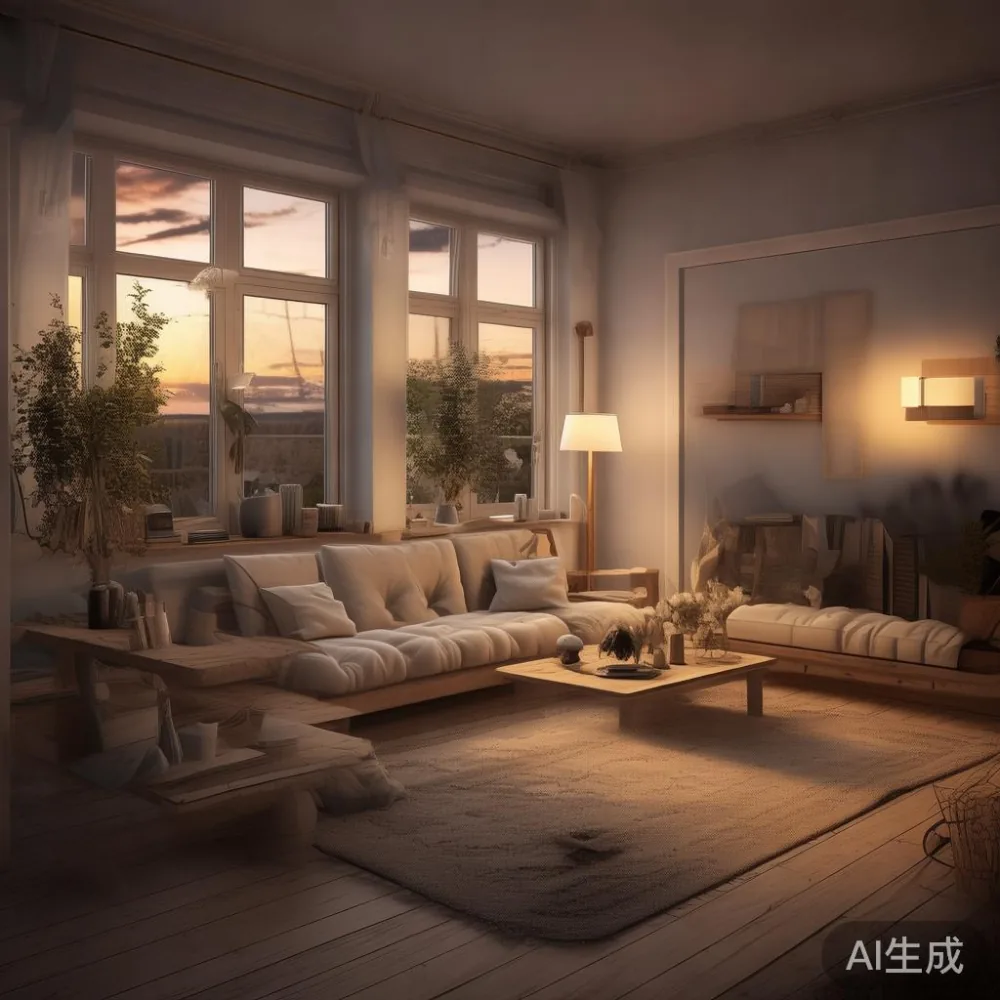
For Singapore homes, price is also shaped by practical constraints. A bed frame may have to pass through a HDB lift, turn along a corridor and fit inside a Tampines bedroom. A dining table must clear a narrow kitchen entrance without damaging the walls. Those logistics affect which pieces can be delivered, assembled in place or returned without disproportionate costs.
MIDHILL makes solid wood furniture for customers in more than 15 countries. Its Singapore pricing should therefore be read as a combination of material cost, manufacturing discipline, delivery planning and long-term ownership—not simply the number of solid-wood components. This guide explains the variables that matter, with figures rather than vague claims.

Is solid timber the most expensive part of a solid wood dining table?
Timber is a major cost, but it is not always the largest one. Raw lumber can account for roughly 25–45% of a finished dining table’s factory cost, depending on species, thickness, yield and whether the manufacturer buys air-dried or kiln-dried stock. A 210 cm table made from kiln-dried oak may start around SGD 1,450 at factory level; the same general form in walnut may reach SGD 2,100 before finish, packaging and delivery.
The species changes both material price and behaviour. Rubberwood is economical and can suit painted Scandinavian furniture, while oak, ash, beech and walnut have different levels of demand, availability and workability. Teak performs well in humid conditions but can sit toward the higher end. For a Singapore dining room, choose the species for the room’s conditions and your care routine, not merely for a dramatic grain pattern.
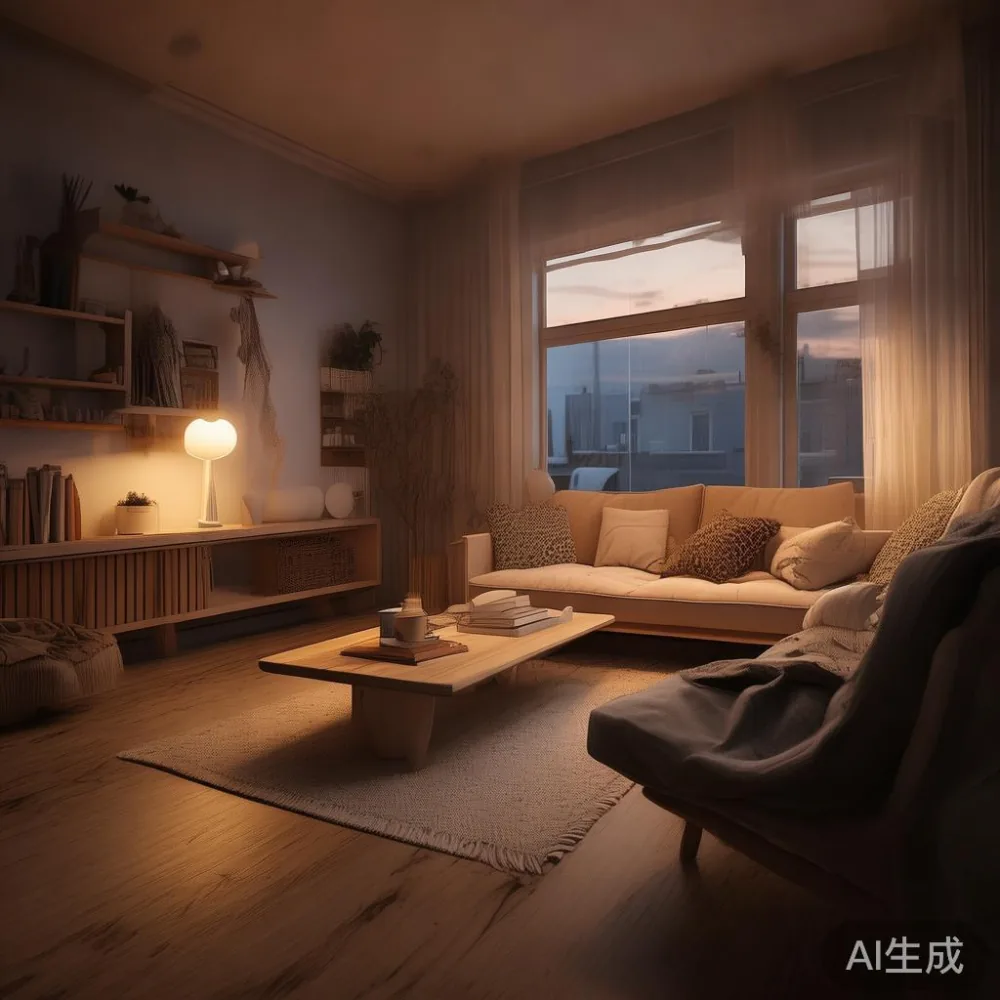
Thickness matters too. A 180 × 90 cm dining table with a 2 cm top may use about 58–72 litres of timber, depending on construction. A 3 cm top can materially increase weight and cost. At 25 kg, a heavier top is still manageable for four adults; at 48 kg, moving it into a Bedok condo without professional equipment becomes a different task.
Grade is another hidden price driver. “Solid wood” describes construction, not visual ranking. Select-grade boards with consistent colour and figure require more careful selection than knotty or mixed-colour stock. In a 3-piece top, the manufacturer may need to reserve boards so the grain flows across the leaves. Better matching can add 8–15% to the timber bill but may be worthwhile if the table is the visual centre of the apartment.
MIDHILL’s 10-year structural warranty is relevant here because it applies to the way the table is engineered, not to the timber’s natural colour or minor surface variation. A well-made table uses appropriate joinery, controlled drying and movement allowances. Those invisible choices are as important to price as the top you can see.
How much do joinery, drawers and load capacity add to the price?
Joinery separates decorative furniture from furniture intended for daily use. A dining table should tolerate a distributed load of about 150–200 kg without excessive deflection. That can be achieved with well-spaced supports, cross-bracing and sound joints. A cheaper construction may look identical from above yet use thinner rails, particle-board support panels or less exact joints beneath the surface.
Drawer construction is especially revealing. A solid wood wardrobe or nightstand may use dovetail drawer joints, solid drawer sides and full-extension runners. Dovetails cost more in labour and waste than simple screws and dowels, but they resist the repeated pulling and pushing that causes cheap drawers to loosen. A pair of premium runners can add SGD 45–140 per drawer; a soft-close mechanism can add another SGD 25–75.
A bed frame must handle movement as well as weight. A queen mattress typically weighs 35–55 kg, and occupants add another 90–150 kg. Side rails, centre supports and slats therefore need to prevent sagging over 10 years of use. Pocket-spring systems may add SGD 250–700 compared with a basic slatted platform, but they also create a different look and feel.
Hardware should be considered separately. Hinges, cam locks, leg brackets and suspension components can represent 3–8% of total manufacturing cost. A European cup hinge might cost SGD 18–45 each, while a mass-produced alternative may cost SGD 7–15. The difference is visible in adjustment range, closing action and replacement availability, not merely in the catalogue photograph.
Why do finishes and colours change the final price so much?
Finish is not just a layer of brown stain. It is a system for controlling colour, texture, sheen and resistance to Singapore’s humidity, sunlight and spills. A surface may need sanding, filling, sealing, colouring, drying and top-coating. Some low-sheen oils need more maintenance than a harder-wearing lacquer; others are easy to live with but less repairable.
For example, a natural oak finish might add SGD 180–420 to a dining table, while a heavily filled walnut finish can add SGD 350–650 because extra preparation is needed to keep the grain smooth. Matte paint over solid wood can require several primer and colour coats. Expect an extra 10–20% over a straightforward clear finish when edges, profiles and large panels need careful masking.
Light-luxury positioning also affects material selection. French light luxury often favours pale woods, curved profiles, linen textures and restrained cream or taupe finishes. American light luxury commonly combines pale oak or walnut with clean-lined upholstery and metal accents. Post-modern light luxury can mix rounded silhouettes with slender legs, but the joins and finish still determine whether the result feels deliberate or merely expensive-looking. The phrase 2026 Modern light luxury furniture describes a current design direction, not a guarantee that every piece shares the same production cost.
A marble table sits at another material intersection. The frame, cabinetry and stone slab are separate cost pools. A 120 cm marble dining table with a 20 mm sintered-stone or marble top may retail from about SGD 2,800, while a natural marble slab with stronger veining can reach SGD 5,500 or more. Marble needs careful support because stone flexes differently from timber. It can also be heavy: a 120 × 75 cm slab may weigh 55–95 kg.
How should you choose a solid wood sofa without paying for the wrong features?
A solid wood sofa can mean a timber frame with fabric or leather upholstery; it does not necessarily mean the cushions contain solid wood. The frame may use kiln-dried hardwood, plywood or engineered components, while the seat may contain foam, fibre, down or a spring system. Buyers often compare the shell while overlooking the layers that determine comfort and longevity.
A useful starting point is the best Modern sofa for 2026 without treating a trend label as a specification. Check the seat depth, arm height, back angle and suspension rather than assuming one silhouette suits every condo. A 210–230 cm three-seat sofa usually fits a living room with at least 300 cm of clear frontage, but delivery access matters more than showroom dimensions.
Upholstery changes the price more than many shoppers expect. Plain polyester may begin around SGD 450–700 for a reasonable 3-seater; bouclé can cost SGD 1,100–1,800; linen blends may fall around SGD 900–1,500; full-grain leather can exceed SGD 2,500. These ranges refer to production cost before Singapore delivery and GST, rather than a promise of retail pricing.
For HDB and condo interiors, the way to style French provincial sofa in apartment requires scale control. A tufted sofa with carved wood details can work in a light-luxury living room, but it should sit on a clear 3.6–4.2 m run with coffee-table spacing of 40–45 cm. In a compact Punggol flat, a smaller two-seater may preserve circulation better. If lifting the sofa upstairs, leave 8–12 cm clearance beyond the package at turns and doorways.
Seat construction also affects long-term value. A suspension with quality webbing and foam over it generally feels firmer than a loose foam-filled base. A removable cover adds cost but can make a sofa easier to maintain. A ten-year frame warranty can provide confidence, but cushions and moving parts may have different coverage.
How do Singapore delivery, GST and access affect the quote?
Logistics can add 5–15% to a furniture order, especially for a bed frame, wardrobe or marble table. A lift with an internal door width of 90 cm cannot take a 210 cm packaged bed in one piece unless the box is angled and the landing is wide enough. A 120 cm corridor with a 90 cm lift may require the item to be split into modules or carried up by professional movers.
Measure the route before ordering. For each bend, note the corridor width, door width, ceiling height and lift dimensions. Leave at least 5–10 cm of practical clearance where possible. Older HDB corridors can be narrower than renovation guides suggest, and the distance from the lift to the flat door can determine the crew time charged.
Delivery windows should also be realistic. A stock item in Singapore may arrive within 3–7 days, while a made-to-order dining table or wardrobe may take 5–9 weeks, plus 1–3 days for regional delivery. Peak production periods around Chinese New Year can extend a factory lead time by 1–2 weeks. Ask for the dispatch date, not only the “delivery estimate,” because the two are often confused.
GST must be shown clearly. For a taxable furniture sale, GST is 9%. A pre-GST subtotal of SGD 2,000 becomes SGD 2,180 before delivery, installation or other separately stated charges. Delivery to most Singapore addresses might be SGD 30–120, while carrying a wardrobe upstairs may cost SGD 80–250. Some retailers absorb delivery above a threshold; MIDHILL, for example, offers free shipping on orders over US$350, with the Singapore checkout still showing applicable GST and any access-related charges.
Returns need equal attention. A 14-day return period is useful, but solid wood, made-to-order and upholstered pieces may have specific exclusions. Check whether returns require original packaging, who pays for collection and whether a restocking fee applies. A custom wardrobe with non-standard panels is harder to resell than a standard nightstand, so its production and cancellation terms can differ.
What does a fair price look like for solid wood bedroom furniture?
A queen bed frame may be offered from about SGD 700–1,300 depending on timber, construction and finish. A more substantial oak or walnut frame with detailed shaping may run SGD 1,400–2,600. A king version can add SGD 200–500 because it requires longer rails, more timber and often additional supports. Always check whether the quoted mattress size is external; a “queen” frame may measure 158 × 208 cm rather than exactly 152 × 191 cm.
For smaller bedrooms, the way to style European bed in apartment can influence both appearance and delivery. A European-style bed with a padded headboard creates a focal point but can add 15–25 cm to the total depth. A slim platform frame may suit a 300 cm-wide Tampines bedroom more efficiently. Keep at least 60 cm on the main side of the bed where possible, and 35–45 cm on the secondary side if the room is compact.
A wardrobe needs both volume and careful internal planning. A 180 cm-wide three-door model may cost around SGD 1,600–3,500 with solid-wood fronts and shelves, depending on the carcass, drawer count and finish. Adjustable hanging rails, LED strips and modular inserts can add SGD 120–700. If you are learning how to choose Japandi wardrobe, focus on grain direction, door alignment, internal depth and the number of long-hanging sections rather than labels alone.
For the bedroom palette, how to style light luxury bed in room comes down to controlled contrast: pale oak against cream textiles, walnut against muted clay walls, and warm bedside lighting around 2,700–3,000 K. A nightstand does not need to match the bed exactly. A smaller marble table with one drawer can add a practical surface and a material contrast for SGD 450–1,100, but stone tops increase weight and installation care.
These figures show why two visually similar pieces can differ by hundreds of dollars. Price is not a single feature; it is the sum of timber grade, thickness, moisture control, joinery, hardware, finish, tolerances, packaging and delivery access.
How can buyers compare quotations fairly?
Ask every supplier for the same specification sheet. Confirm the dimensions in centimetres, solid-wood species, whether every visible and structural panel is solid timber, the top thickness, joinery method, hardware brand, finish type, load rating, warranty coverage, assembly needs and delivered price. “Solid wood” alone is too broad for a useful comparison.
Then consider the service behind the item. A 10-year structural warranty signals confidence in frame construction. A lifetime refinishing option can extend the life of a dining table or bed frame, although the customer pays for labour, transport and materials where applicable. Free shipping above a stated order value can reduce the delivered total, but it should not replace an accurate access plan.
Last month I visited a Singapore showroom and tested one supposedly identical oak nightstand against a lower-priced alternative. The products had the same external dimensions, but the higher-priced unit had visibly tighter drawer joints, smoother guide movement and a more even finish at the edges. The drawer also returned with less side play after repeated loading. That small, repeatable difference is exactly what a photograph cannot reveal, and it is part of what a fair furniture price should purchase.
For more specifications, visit www.midhill.co and compare the delivered quotation with the details above. Solid wood furniture becomes easier to value when the purchase is treated as a long-term object rather than a visual finish. The right question is not whether the highest quotation is justified, but whether every dollar buys a material, construction detail or service that you can identify and use.