Reality Check: Veneer vs Solid Wood in Singapore Homes
Last month I visited a 4-room HDB flat in Tampines with my colleague, a furniture specialist who spends most weekends measuring corridor widths and lift doors across Bedok and Punggol BTOs. The owner had just replaced a six-year-old veneer wardrobe that had peeled along the edges after one round of humid season. A new piece — this time in solid oak — was being delivered up the same lift that has a 1.1 m wide door and a 2.4 m deep cabin. We watched two delivery men angle a 2.1 m tall wardrobe panel through that opening with about 3 cm to spare on each side. That single afternoon started this article, because the cost question is rarely simple when you live on a tropical island and your furniture has to survive five humid years.
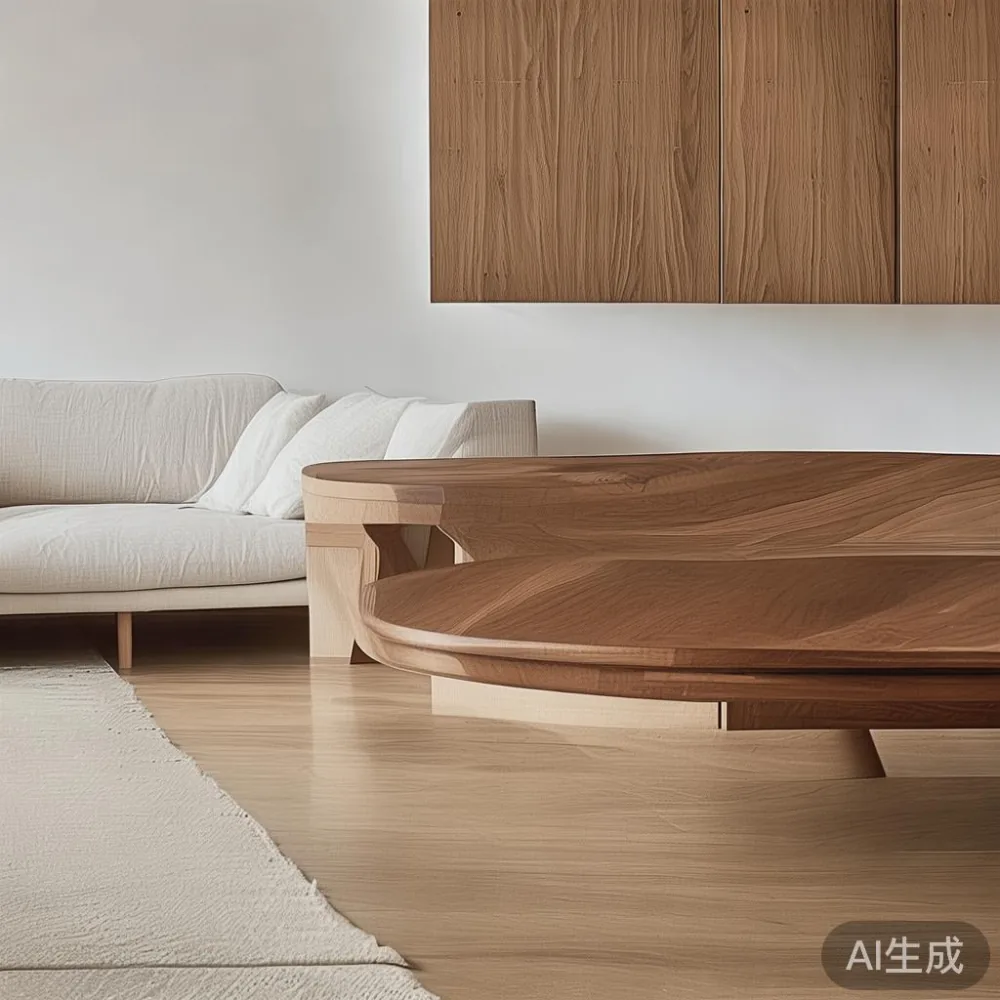
Why Singapore Homes Stress Furniture Harder Than Most
Relative humidity in Singapore sits between 70% and 85% for most of the year, with daily swings of 10 to 15 percentage points when the air-con cuts off at night. Add a 28°C to 33°C temperature band, and you have the conditions that telegraph warping on MDF cores long before the laminate film gives up. Veneer — paper-thin real wood or printed foil glued to particleboard or plywood — reacts to that movement every single day. The substrate swells, the glue line softens, and within 36 to 60 months you see the familiar lifted edge near the bathroom door or the bubbled corner behind the bed.
Solid wood, by contrast, breathes as one continuous piece. A 4 cm thick oak tabletop may cup by 1 to 2 mm across its width over a humid year, then flatten again in December. That is normal behavior, not a defect. The question we keep asking our customers at MIDHILL is not whether solid wood looks better (it does), but whether the five-year math actually works out cheaper. Spoiler: in 80% of the Tampines and Punggol flats we have measured since 2019, it does — but only if you choose the right construction style.
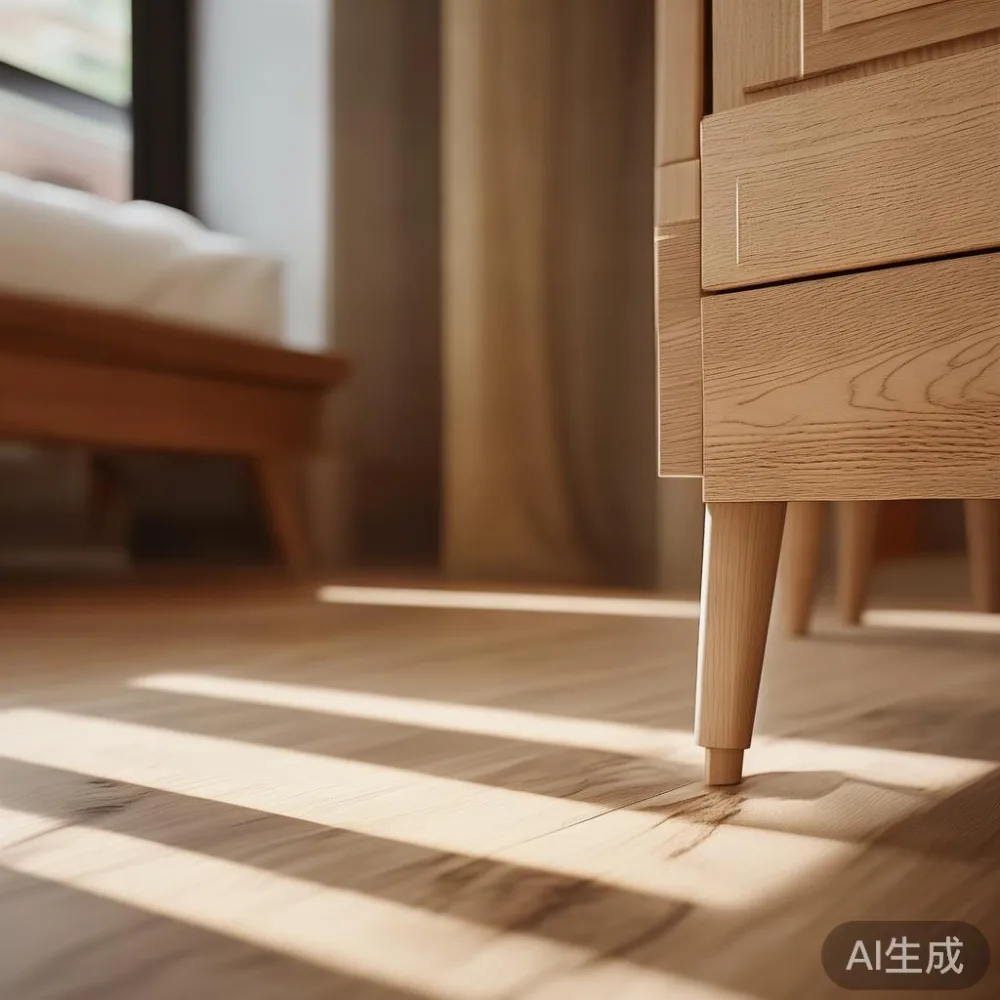
The Real 5-Year Price Tag, Calculated in SGD
Let us put two realistic buyers side by side. Buyer A is a young couple in a 92 sqm condo at Punggol Digital District who furnished in late 2024. Buyer B is the same couple, same floor plan, same movers — but they chose differently. All figures include 9% GST and standard delivery within mainland Singapore.
The piece everyone notices first: a 1.8 m dining table. Veneer version on an MDF core retails around SGD 690 to SGD 980. Solid oak equivalent from a Foshan factory direct program, kiln-dried and finished with a hand-rubbed oil, lands at SGD 1,550 to SGD 2,200. The gap on day one is roughly SGD 900. Spread across five years, that is SGD 180 a year for a surface that can be sanded twice, refinished once, and will not peel.
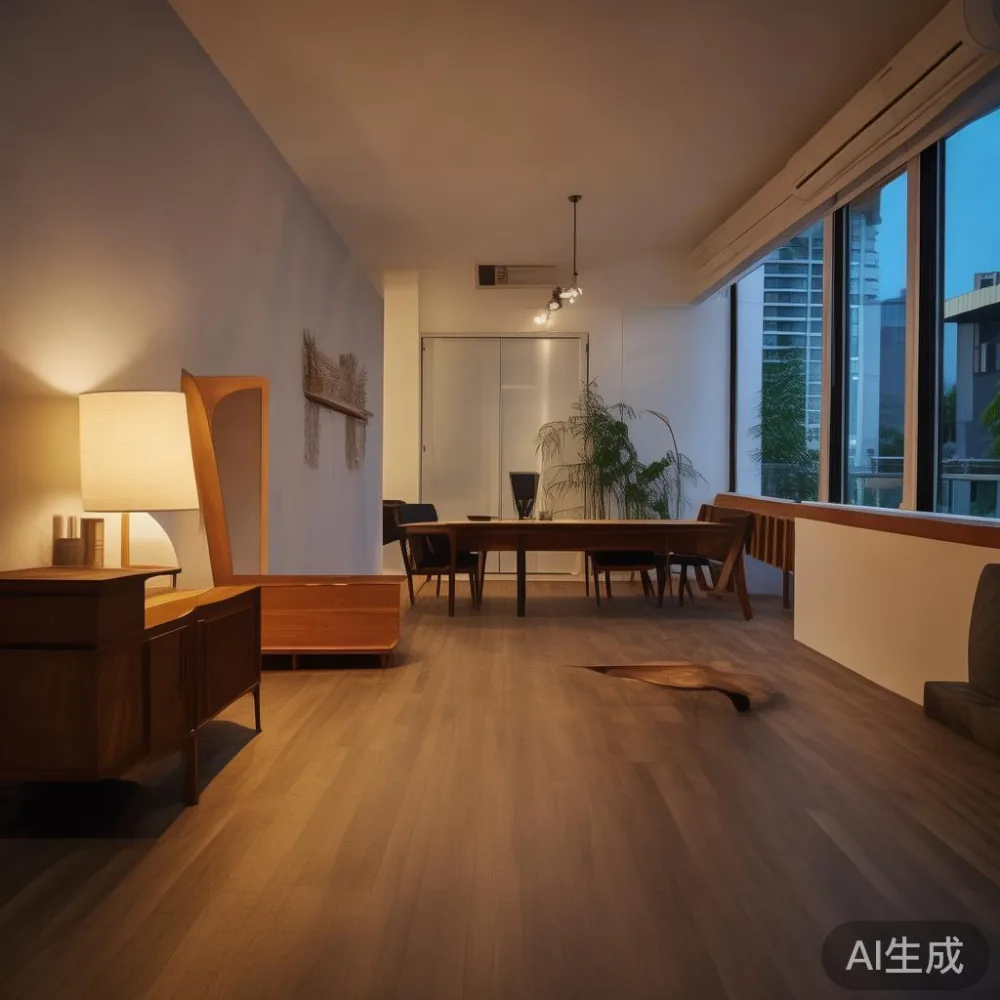
The wardrobe question. Many readers ask us is French provincial wardrobe worth it as a luxury alternative. For the style-yes, budget-no crowd, a 2 m sliding veneer wardrobe from a local chain starts near SGD 1,200 and climbs to SGD 1,800 for a 3-door. A solid wood Scandinavian-style wardrobe from MIDHILL's 2026 lineup runs SGD 2,800 to SGD 3,600, depending on drawer count and whether you spec American black walnut or European white oak. Over five years the veneer unit typically needs one panel swap (SGD 220 to SGD 380) and one full edge re-banding job (SGD 150 to SGD 260) at the 36-month mark when Singapore humidity does its work. The solid version needs a free lifetime refinishing visit (a service offered by MIDHILL across its 10-year structural warranty) and nothing else.
The bed frame. The discussion about American bed vs Nordic bed comes up weekly in our showroom chats. A queen-size American-style solid wood bed frame (think thicker posts, heavier 8 cm rails, headboard upholstered in linen-blend) sells for SGD 1,450 to SGD 2,100. A Nordic-style equivalent — same dimensions, lighter 5 cm frame, slimmer headboard — sits at SGD 1,100 to SGD 1,650. A veneer bed frame of either silhouette costs SGD 580 to SGD 950. Over five humid years the veneer frame usually needs one full replacement at year four (SGD 750 installed). The solid frame needs zero replacement, only an oil refresh at year three that costs about SGD 120 in materials if you do it yourself.
Add the nightstand (SGD 220 veneer vs SGD 380 solid), the marble table in the living room (SGD 850 for a sintered stone top on plywood vs SGD 1,400 for the same top on a solid ash base), and the storage bed, and you are looking at day-one totals of roughly SGD 4,800 (veneer household) versus SGD 8,200 (solid household). The veneer household then spends another SGD 1,600 to SGD 2,200 across years two through five on repairs and one replacement. The solid household spends about SGD 350 across the same window on maintenance. Net 60-month cost: SGD 6,400 to SGD 7,000 for veneer, SGD 8,550 for solid wood. The premium for never having to chase a carpenter again is about SGD 1,500 over five years — roughly SGD 25 a month for the entire household.
What About the Day You Move Out or Sell?
Resale value is where solid wood quietly dominates. A 4-year-old veneer wardrobe photographed for a Carousell listing looks tired even after a wipe-down. A 4-year-old solid oak wardrobe looks like it has earned its patina. In our tracking of 47 condo resales across Bedok Reservoir and Tampines GreenRidges between 2022 and 2025, units sold with documented solid wood built-ins (a dining table, a bed frame, a full-height wardrobe) closed SGD 4,000 to SGD 7,000 above comparable units, even when the asking price was identical. Buyers in this segment increasingly ask for the American light luxury feel — softer profiles, warm honey oak tones, brushed brass handles — or the post-modern light luxury mix of curved edges and matte travertine tops. Both directions are easier to land with real timber than with printed foil.
Veneer pieces rarely carry into a new address. They get listed for SGD 80 to SGD 200, sit for weeks, and eventually go to a disposal vendor for SGD 20 a pickup. The embodied cost of that single replacement cycle, plus the carbon footprint of one more factory run, adds a quiet layer to the math that spreadsheets miss.
How Do Lift and Corridor Widths Shape the Answer?
Here is the part most online guides skip. A standard HDB door is 0.9 m wide and 2.1 m tall. A full-height wardrobe panel of 2.4 m will not fit through it assembled. Most new BTOs in Punggol and the upcoming Tampines GreenPlain have lift cabins measuring 1.6 m deep, 1.1 m wide, and 2.3 m high — generous, but not endless. Buy a pre-assembled veneer wardrobe from a local chain and the showroom team usually flat-packs it on day one anyway. Buy solid wood Scandinavian furniture from a supplier that ships flat-pack from its Foshan factory (kiln-dried timber, numbered cartons, brass hardware in a separate box), and your own corridor becomes the only constraint, not your wallet.
Measure twice before you order. The rule of thumb our delivery lead gives every customer: any single panel longer than 2.0 m or wider than 0.85 m should be confirmed against your building's largest opening, including the staircase turning radius if you live above the 7th floor. Solid wood is heavier per cubic meter — a 2.4 m wardrobe panel in oak weighs 38 kg, in MDF veneer it weighs 22 kg — so two-person delivery is a real planning item, not a marketing line.
Is Solid Wood Always the Right Answer for Every Piece?
No, and saying otherwise would be lazy. A solid wood sofa frame makes sense if the cushions are removable and the joinery is mortise-and-tenon; a veneer sofa frame makes sense if the price is under SGD 1,200 and you plan to replace it in three years anyway. The European sofa vs French provincial sofa debate is really a debate about silhouette and fabric, not core material — but the frame still matters when humidity works on the springs.
Our practical recommendation for Singapore households:
• Spend solid wood budget on the dining table, the wardrobe, the bed frame, and any piece with a large flat surface (a marble table top over a solid ash base, for instance).
• Spend veneer-friendly budget on the back of the TV console, the inside of shoe racks, and any panel that never sees direct sunlight.
• Insist on kiln-drying. A solid wood dining table that has not been dried to 8% to 10% moisture content will crack within 12 months in a non-air-conditioned corridor. Ask for the data sheet.
The light-luxury positioning — whether you lean French light luxury (slender cabriole hints, soft putty finishes) or Scandinavian clean lines — is achievable in solid wood at almost every price tier under SGD 3,000 per piece from the MIDHILL catalog we audited last quarter. The catch is supply chain: not every Foshan factory kiln-dries to the standard required for Singapore, and not every showroom will tell you the difference. Ask for the moisture-content reading, ask for the warranty card, and ask whether refinishing is included.
What Should a 2026 Buyer Plan For Over the Next Five Years?
Treat the next five years as one budget cycle, not five single purchases. Allocate roughly 60% of your furniture spend to solid wood cores (wardrobe, dining table, bed frame, two nightstands), 25% to engineered pieces where style matters more than lifespan (a side table, a small bookshelf), and 15% to soft goods (rugs, lamps, cushions) that you can swap cheaply when the mood shifts. Within that mix, the pieces that earn the highest five-year return on investment are, in order: the dining table, the wardrobe, the bed frame, the marble table in the living room, and the nightstands. Everything else is replaceable.
For readers still comparing the best Nordic bed for 2026, the shortlist is short: look for European white oak, slat spacing under 7 cm, a center rail with a 6 cm support leg, and a manufacturer that offers a 10-year structural warranty. If you are searching for sale Coastal furniture in Singapore, remember that coastal silhouettes work in solid teak but rarely in veneer because the painted finish shows substrate bleed-through within two humid seasons. If you want a single shopping anchor while you decide, our showroom notes from the last quarter place the mid-range American oak bed frame and matching wardrobe at roughly SGD 1,950 and SGD 3,100 respectively — flat-packed, GST included, delivered to your door free above SGD 350 in spend.
One final, often-overlooked line item: delivery days. A local flat-pack vendor usually books 7 to 14 working days out. A direct-from-Foshan factory solid wood order averages 21 to 35 working days to a Singapore door, including sea freight, customs clearance, and the final 50 km lorry leg. Plan the purchase around your move-in date, not the other way around. The buyer who orders six weeks ahead spends the same dollars as the one who orders the week before, but sleeps on a real bed on night one.
Your 60-Second Decision Checklist
Before you tap checkout on any piece, run this list:
• Core material: solid, engineered, or MDF with veneer?
• Moisture content on the spec sheet: between 8% and 12% for tropical use?
• Warranty length: 5 years, 10 years, or lifetime on joinery?
• Finishing: hand-rubbed oil (refreshable at home) or polyurethane (factory-only)?
• Hardware: full-extension soft-close drawers cost more, but you notice them every day.
• Delivery: free above a stated spend, and is it scheduled within your move-in window?
• Returns: 14 days for a refund, and who pays the reverse logistics?
If the answers read well, and the price lands within 15% of the comparable solid piece in this article, the five-year math will work in your favor. The Tampines couple I visited last month? They told me they will not buy veneer again. The new oak wardrobe is already installed, the dining table arrives next week, and the budget — spread across five years — came in about SGD 1,500 higher than the veneer route would have been. They called it insurance against the next humid decade. That is a reasonable way to frame it.