A Guide to Caring for Lacquered Surfaces in Singapore
Living in Singapore presents a unique set of challenges for maintaining the pristine appearance of fine furniture. The constant humidity, averaging between 70% and 90% throughout the year, can be particularly demanding on delicate finishes. For owners of solid wood pieces, especially those with a beautiful lacquered surface, understanding the nuances of care is not just about aesthetics—it's about preserving an investment. A well-maintained solid wood sofa or a stunning marble table can last for decades, becoming a cherished part of your home's story. This guide focuses on practical, actionable steps to protect your lacquered Scandinavian furniture, ensuring it remains as beautiful as the day you brought it home, whether you reside in a compact Tampines HDB flat or a spacious Punggol condominium.

Understanding Your Lacquered Finish
Before we discuss care, it's helpful to understand what a lacquered finish actually is. Unlike a simple oil or wax finish that penetrates the wood grain, lacquer is a hard, durable coating that is applied on top of the wood. It creates a smooth, glass-like surface that provides excellent protection against spills and stains. This finish is what gives many Scandinavian furniture pieces their signature minimalist and clean aesthetic. However, this very strength can also be its weakness in a tropical climate. The hard, non-porous surface of the lacquer does not breathe. When ambient humidity fluctuates, the wood underneath the finish expands and contracts. Over time, this constant movement can stress the lacquer layer, leading to small cracks or a cloudy appearance, known as 'blushing.' This is why a proactive approach to care is necessary.
Why Does Singapore's Climate Affect Lacquered Furniture?
Singapore's climate is defined by high temperatures and high humidity. This environment impacts furniture in several distinct ways. First, the moisture in the air can be absorbed by the wood fibers through microscopic gaps in the finish or at the joints, causing the wood to swell. Second, when the air conditioning is turned on, a rapid drop in temperature can cause condensation to form on the cooler surface of the furniture. This moisture, combined with the high humidity, can create a perfect environment for mold or mildew to grow on unfinished or improperly cared-for surfaces. Finally, the intense UV rays from the sun, even through a window, can fade the color of the lacquer over time. A dark walnut finish might lighten, and a white lacquer can develop a yellowish tint if not shielded from direct sunlight. This is a key consideration when placing a marble table or a solid wood bed frame near a window.
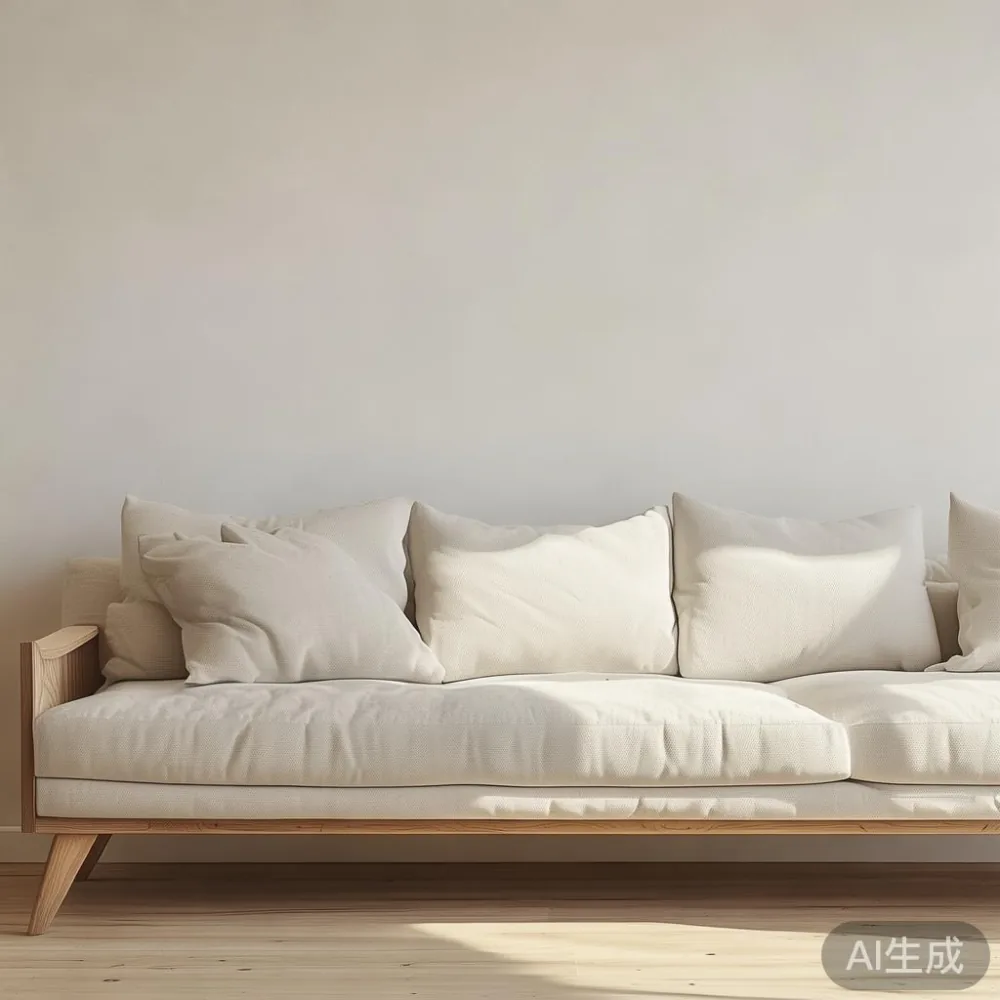
How Often Should I Polish My Lacquered Scandinavian Furniture?
This is a common question, and the answer might surprise you. For most modern lacquered finishes, including those on many Scandinavian furniture collections, polishing is not a frequent necessity. In fact, over-polishing can sometimes do more harm than good. The waxes or silicone-based polishes in many commercial products can build up over time, creating a hazy film that dulls the finish and attracts dust. A better approach is preventative maintenance. A simple, soft microfiber cloth used for a quick dusting once or twice a week is often all that is needed. For a more thorough clean, a damp cloth followed immediately by a dry one is sufficient. Save the special furniture polish for when the piece looks dull or has been exposed to something that left a mark. Always test any product on a small, inconspicuous area first, such as the underside of a nightstand, to ensure it does not react with the finish.
Preventative Measures: Placement and Protection
The best way to care for your furniture is to prevent problems before they start. Strategic placement is your first line of defense. Avoid placing lacquered pieces directly in front of or on the same wall as an air conditioning unit. The constant blast of cold, dry air can cause the finish to contract and crack at an accelerated rate. Similarly, keep your furniture out of direct sunlight. Use curtains or blinds to filter the harsh afternoon sun, which can be particularly intense in west-facing apartments common in Bedok. Use coasters under all glasses and mugs, especially those containing cold liquids which can cause condensation rings. For dining tables, consider using placemats or a tablecloth to protect the surface from heat, scratches, and spills from everyday meals. Placing felt pads under the legs of chairs, wardrobes, and other heavy items will prevent scratches when you move them around on your HDB or condo floor.
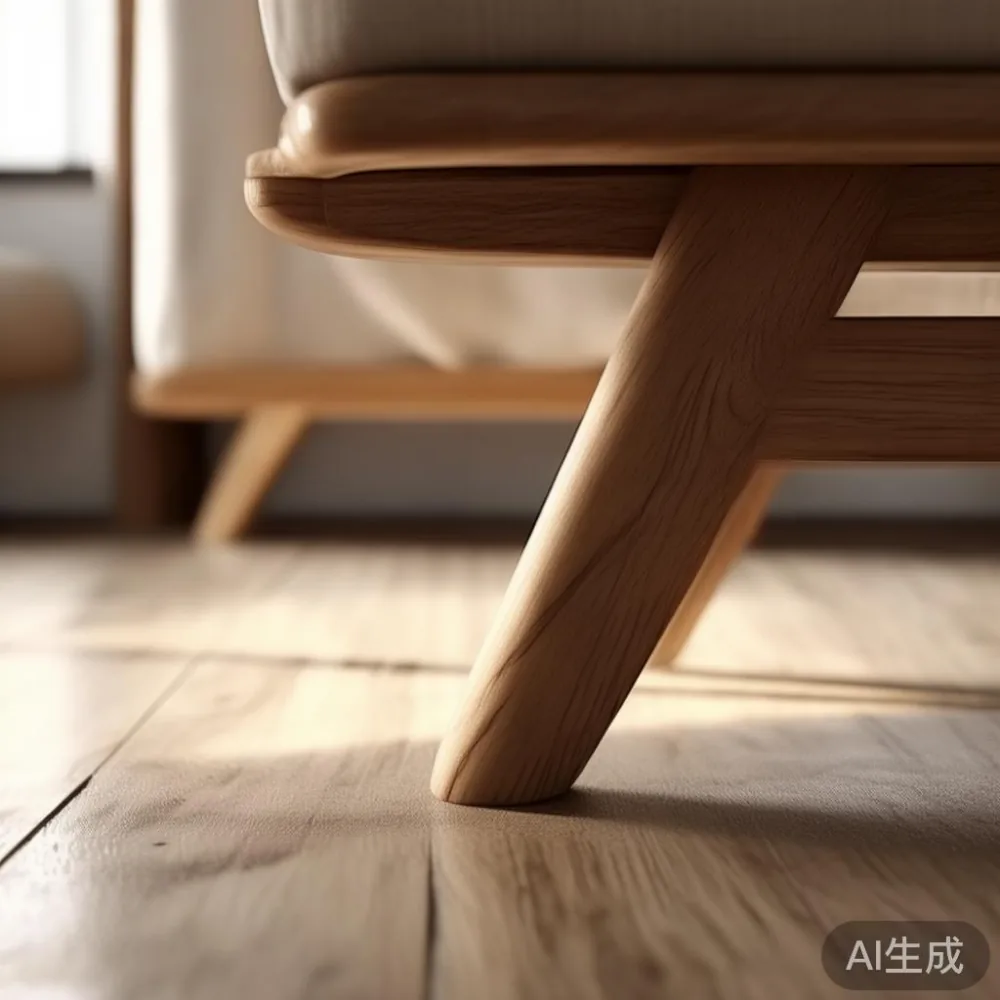
Dealing with Spills and Stains Immediately
Accidents happen, but how you respond can make all the difference. The golden rule for any liquid spill on a lacquered surface is to act immediately. Grab a clean, soft, absorbent cloth or paper towel. Do not rub the spill, as this can spread it and potentially push it into any microscopic cracks in the finish. Instead, gently blot the area to soak up the liquid. For water spills, this is often enough. For sticky substances like juice, wine, or sauce, you may need to follow up with a slightly damp cloth. Wipe in the direction of the wood grain, if any is visible through the lacquer, using as little moisture as possible. Immediately dry the area with a clean, dry cloth. For stubborn spots, a mixture of mild dish soap and water can be used, but always be cautious and rinse thoroughly. For a high-value piece like a MIDHILL French provincial bed, you might want to consult the care manual or contact the supplier for specific advice on stain removal.
What Should I Avoid Using on Lacquered Surfaces?
Just as important as knowing what to do is knowing what not to do. Certain common household products can permanently damage a lacquered finish. Never use abrasive cleaners, scouring pads, or harsh chemicals like bleach, ammonia, or strong solvents. These will strip away the protective lacquer layer, leaving the wood underneath exposed to the elements. Avoid all-purpose cleaning sprays that contain wax, as they will build up over time. Be wary of homemade cleaning solutions involving vinegar or lemon juice. While they seem natural, their acidic nature can dull and etch the finish. Also, never place hot items directly on the lacquered surface. The intense heat can create a permanent white ring or even blister the finish. Always use a trivet or a heat-resistant mat under hot serving dishes or coffee mugs on a dining table or side table.
When to Call a Professional
Despite your best efforts, sometimes a piece of furniture needs more than at-home care. If you notice deep scratches, significant chips in the lacquer, or a cloudy, hazy finish that you cannot remove with gentle cleaning, it may be time to call in a professional furniture refinisher. Many reputable companies in Singapore specialize in restoring high-end furniture. A professional can assess the damage and determine if the piece can be repaired on-site or if it needs to be taken to a workshop. This is where a lifetime refinishing warranty, offered by brands like MIDHILL, becomes incredibly valuable. Knowing that a professional repair is covered under warranty provides great peace of mind and protects your significant investment. For example, a deep scratch on a solid wood sofa that is part of a 2026 Modern light luxury furniture collection is best handled by experts to ensure the repair is invisible and the integrity of the finish is restored.
My Personal Experience with Humidity and Furniture Care
Last month, I visited a colleague's new condo in Punggol. He had recently invested in a beautiful American-style light luxury dining table with a high-gloss lacquered finish. He was proud of it but also a bit worried about Singapore's climate. He showed me a small, barely noticeable white spot on the tabletop, which he suspected was from a condensation ring from a cold drink. I suggested a simple test: we took a clean, soft cloth, dampened it with distilled water (to avoid any mineral deposits), and gently blotted the area. Then, we used a hairdryer on its lowest, coolest setting to gently warm the spot. The heat helped the moisture trapped just beneath the finish evaporate, and the white mark disappeared completely. My colleague was relieved. It was a practical lesson in how a quick, gentle response can often save a piece of furniture without needing professional intervention. This experience reinforced the importance of acting fast and using the right materials.
Choosing the Right Furniture for Singapore's Climate
While proper care is paramount, choosing the right type of furniture from the start can make a world of difference. When shopping, look for pieces with high-quality, multi-layered lacquer finishes. These are designed to be more resistant to humidity and temperature changes. The minimalist aesthetic of Scandinavian furniture, with its clean lines and functional design, is well-suited for Singaporean homes. It creates a sense of calm and space, which is often desired in our urban living environments. For those who appreciate a different style, a French bed vs Nordic bed offers a distinct choice. The French provincial bed often features more ornate details and a softer, more romantic feel, while the Nordic bed emphasizes simplicity and natural wood grains. Understanding these differences helps in selecting a piece that not only looks good but also aligns with your lifestyle and the practical demands of your home.
Understanding the Value of a Good Warranty
When purchasing a significant piece of furniture like a wardrobe or a bed frame, the warranty is an indicator of the manufacturer's confidence in their product's durability. A 10-year structural warranty, for instance, covers the core frame and joinery, protecting you against defects in materials and workmanship. This is a long-term commitment that speaks volumes about the quality of the furniture. A lifetime refinishing warranty is even more reassuring, as it covers the finish itself against peeling, cracking, or discoloring under normal use. This is particularly important for lacquered surfaces in a tropical climate. Knowing that a company stands behind its product for the life of the furniture gives you the confidence to enjoy it fully without constant worry. For example, a customer investing in a MIDHILL furniture piece valued at over SGD 3,500 can take comfort in the fact that structural issues and refinishing needs are covered, making the purchase a safer long-term investment.
Delivery and Logistics for Large Furniture in Singapore
Acquiring a large piece of furniture like a solid wood dining table or a wardrobe involves more than just the purchase; it involves logistics. In Singapore, where lift widths in older HDB blocks can be as narrow as 80 cm, and corridor widths in condos are often just over 1 meter, delivery can be a complex affair. Reputable furniture makers understand these constraints. They typically provide detailed information on the packaging dimensions (e.g., 220 cm x 90 cm x 70 cm) and weight (e.g., 65 kg) to ensure the item can be maneuvered into your home. Free shipping over a certain value, such as SGD 350, is a standard offer that makes purchasing larger items more economical. The delivery process itself usually takes between 7 to 14 business days from the order date, depending on your location in Singapore and stock availability. This professional handling ensures your new under 2000 Scandinavian furniture piece arrives safely and in perfect condition, ready to be placed in its new home.
French Bed vs American Bed: Which is Better for Singapore?
The choice between a French bed vs American bed often comes down to personal style, but each has practical considerations for the Singaporean home. A traditional French provincial bed is often lower to the ground, with a headboard that features intricate carvings or a curved, upholstered design. This style can be a statement piece but may require more space around it to be appreciated fully. An American bed, on the other hand, is often more substantial in scale, with higher headboards and a more commanding presence. It might be made of darker woods like mahogany or oak, offering a different kind of luxury. For a humid climate, the material is key. A solid wood French bed, like a MIDHILL French provincial bed, with its high-quality lacquered finish, can be an excellent choice as long as it is placed away from direct drafts and sunlight. The key is to select a piece that is not only beautiful but also constructed from materials that can withstand the local environment.
Is a White Lacquered Wardrobe a Good Idea for My HDB Flat?
A white lacquered wardrobe is a popular choice for Singaporean homes because it brightens up a room and creates an illusion of more space, which is a huge advantage in the typical HDB bedroom. However, the high gloss finish does show dust and fingerprints more readily than a matte or wood-grain finish. This means you might need to wipe it down more frequently to keep it looking pristine. Also, in a very humid environment, there is a slightly higher risk of the lacquer developing a yellowish tint over many years, especially if exposed to sunlight. To mitigate this, ensure your wardrobe is placed in a spot that is not in direct sunlight and is away from any strong air vents. The reflective quality of a white finish can also be a pro; it can make a small room feel larger and more open. Ultimately, if you love the look and are prepared for the maintenance, a white lacquered wardrobe can be a stunning and functional addition to your home.
The Future of Light Luxury Furniture
The furniture market is always evolving, and the demand for light luxury continues to grow. This style, which blends high-quality materials with understated elegance, is perfectly aligned with the desires of modern homeowners. We are seeing a rise in post-modern light luxury designs that incorporate unexpected elements, like a marble table top paired with a sculpted, minimalist base in a light oak finish. These pieces are designed to be both artistic and functional. Looking ahead to 2026, trends suggest a continued focus on sustainability and craftsmanship. The search for the best French sofa for 2026 will likely prioritize not only style and comfort but also the provenance of the wood and the eco-friendliness of the lacquer finishes. Consumers are becoming more discerning, seeking out brands that offer transparent warranties and high-quality construction, making a purchase from a well-established maker like MIDHILL a sound decision for the future.
American Bed vs French Provincial Bed: A Style Comparison
While both the American and French provincial styles fall under the umbrella of light luxury, they offer distinctly different vibes. An American bed often embodies a sense of grandeur and comfort. Think of a large, upholstered headboard in a neutral tone like cream or grey, with clean, geometric lines. It's a style that feels grounded and substantial, perfect for creating a cozy, master bedroom retreat. The American bed vs French provincial bed comparison often highlights this difference in scale and material. A French provincial bed, in contrast, is lighter and more ornate. It features softer curves, more delicate details, and often uses lighter woods painted in white or cream, with a distressed or aged finish for a romantic, shabby-chic feel. The choice between them depends on the aesthetic of your bedroom. A spacious condo in Tampines might accommodate a grand American bed, while a charming HDB in Bedok could be perfectly complemented by the airy elegance of a French provincial design.