Working through Singapore's Humidity for Your Solid Wood Furniture
Living in Singapore, with its consistently high humidity levels, presents a unique set of challenges for owners of solid wood furniture. The air, thick with moisture, can cause natural materials to expand, contract, and sometimes warp over time. For those who appreciate the timeless beauty and craftsmanship of solid wood, understanding how to care for it in our local climate is not just about preservation; it's about ensuring the longevity and aesthetic appeal of your home. This guide offers practical advice on managing humidity's effects, tailored for Singaporean homes, from HDB flats in Tampines to condominiums in Punggol.
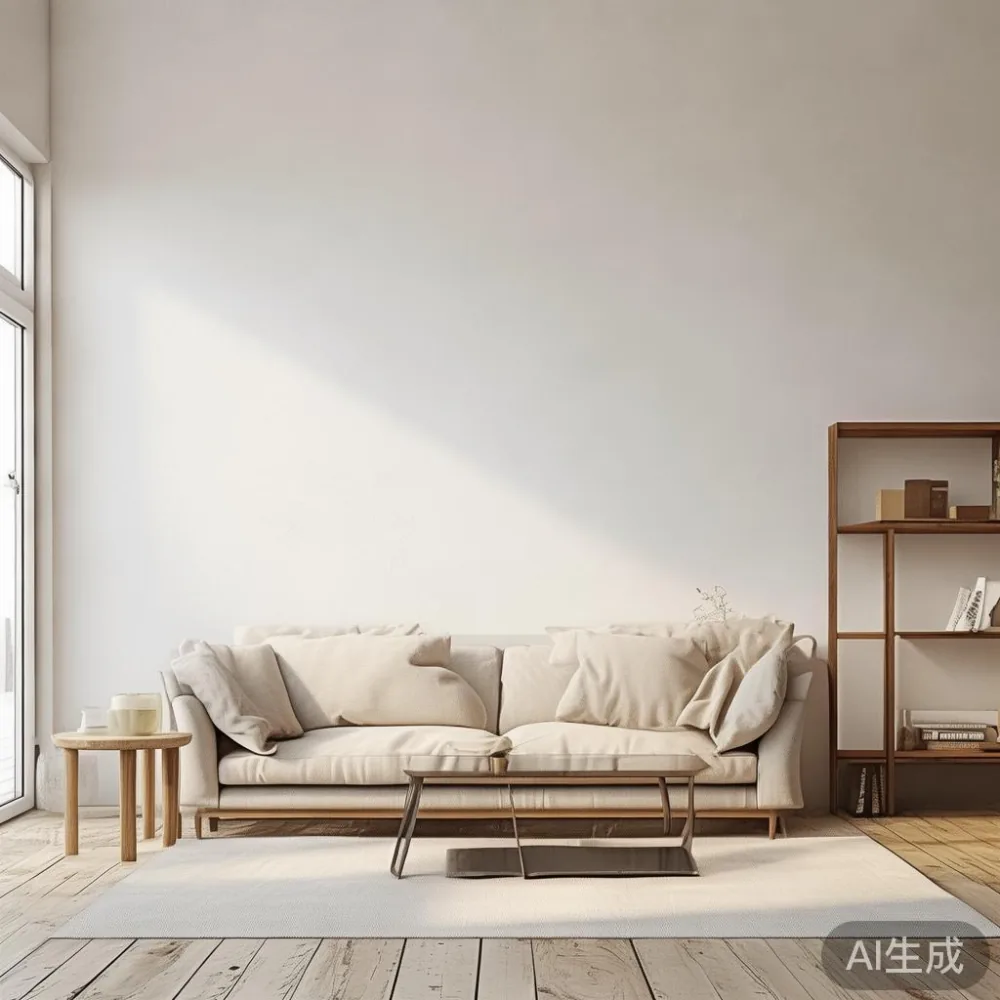
Understanding Singapore's Humidity: More Than Just a Feeling
Singapore's climate is characterised by high relative humidity, often hovering between 70% and 90% throughout the year. This moisture in the air is a constant presence, seeping into every corner of our living spaces. For wood furniture, which is hygroscopic, this means it naturally absorbs and releases moisture from the surrounding environment. During the humid months, the wood absorbs water, causing its fibres to swell. This expansion can lead to tight-fitting drawers, sticky doors, or even visible cracks if the process is too rapid. Conversely, during slightly drier periods, the wood releases moisture and contracts, which might cause previously tight joints to loosen or small gaps to appear.
The effects are most noticeable in homes without consistent air conditioning. For instance, in a walk-in wardrobe in a Bedok HDB flat, the constant humidity can cause the solid wood wardrobe panels to expand, making it difficult to open the doors smoothly. My colleague, Sarah, who lives in an older HDB unit without 24-hour air-conditioning, noticed her solid wood dining table chairs felt slightly different to sit on during the wet season. The wood had absorbed enough moisture to make them feel marginally softer and less rigid. This subtle change highlights the constant, silent interaction between your furniture and the air in your home.
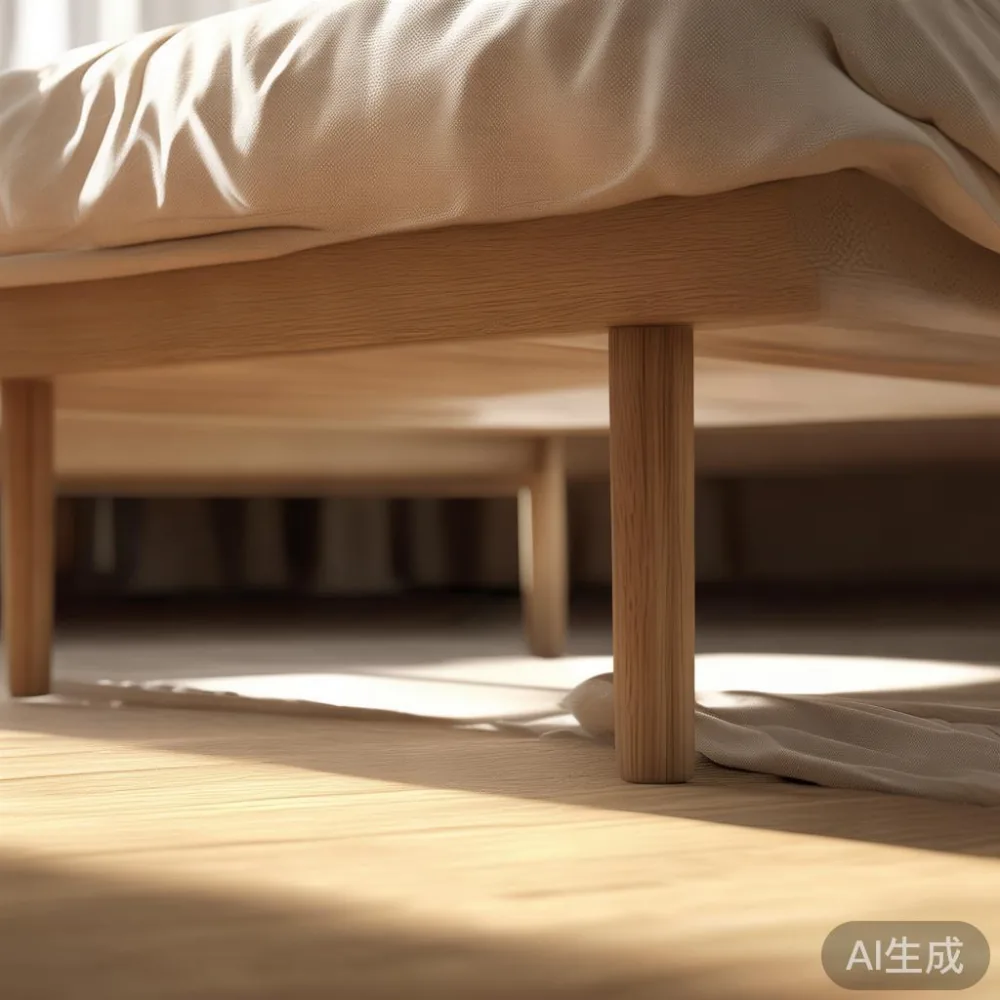
How High Humidity Affects Different Types of Wood Furniture
The impact of humidity varies depending on the type of wood and the construction of the furniture. Solid wood furniture, made from a single piece or joined pieces of solid timber, is more susceptible to these changes than veneered or laminated alternatives. The grain and porosity of the wood determine how much moisture it can hold. For example, a solid wood sofa with a tight grain like oak will react differently than a more porous wood like teak.
Consider a marble table top resting on a solid wood base. While the marble itself is impervious to humidity, the wooden frame it's attached to is not. As the wood swells with moisture, it can put pressure on the marble, potentially leading to stress cracks or a loosened connection if the construction isn't designed to accommodate this movement. This is why quality furniture, like some of the pieces from midhill, often incorporates specific joinery techniques that allow for natural wood movement. Similarly, a bed frame made of solid wood might experience subtle changes in its structure. The slats that support the mattress could warp, or the frame itself might become slightly creakier as the joints tighten and loosen with the humidity cycles.
Wardrobes and nightstands are particularly vulnerable. A wardrobe's panels are large flat surfaces that can expand significantly, leading to doors that stick or rub against the frame. A nightstand's drawers, with their many small joints, can become so swollen that they become difficult to pull out. Understanding these specific vulnerabilities helps in choosing the right furniture and applying the correct care regimen for each piece.
Preventative Care: Protecting Your Furniture Before Problems Arise
The best way to deal with humidity-related issues is to prevent them from happening in the first place. A proactive approach to furniture care can save you from costly repairs and the disappointment of seeing your beloved pieces deteriorate. The first line of defence is controlling the environment within your home.
Using a dehumidifier is one of the most effective strategies. A good quality dehumidifier can reduce the humidity level in a room to a more stable 45-55%, which is ideal for wood furniture. For a typical master bedroom in a Singaporean condo, a dehumidifier with a capacity of 20-30 litres per day is sufficient. Running it for 6-8 hours, especially during the night, can make a significant difference. For those living in HDBs, placing a dehumidifier in the living area where a solid wood dining table or sofa is located can protect these larger pieces. The cost of a decent dehumidifier in Singapore ranges from SGD 200 to SGD 500, a worthwhile investment for the life of your furniture.
Another simple yet effective method is proper ventilation. On less humid days, open your windows to allow air to circulate. This is particularly important in enclosed spaces like walk-in wardrobes. For items like a solid wood bed frame, ensure there's at least 10-15 cm of space around it to allow air to flow freely. Avoid placing furniture directly against external walls, as these tend to be damper. Also, be mindful of placing hot or wet objects directly on wood surfaces. Use coasters under glasses and placemats under plates to prevent moisture rings, which can damage the wood's finish and make it more susceptible to swelling in that specific spot.
Is European Light Luxury Furniture a Good Choice for Singapore's Climate?
When selecting furniture, the style and origin can influence its suitability for a humid climate. European light luxury furniture, with its emphasis on clean lines, natural materials, and understated elegance, is often crafted from high-quality solid woods. This makes it a popular choice for discerning homeowners in Singapore. The question many ask is whether this style of furniture, particularly a bed, can withstand our local conditions.
European furniture makers are well aware of wood's natural properties and design their pieces to accommodate movement. A well-constructed European light luxury bed frame, for example, will use techniques like mortise and tenon joints or dowel pins that allow the wood to expand and contract without compromising the structural integrity. The key lies in the craftsmanship. When considering is European bed worth it, one must look beyond the initial price tag and consider the quality of materials and construction. A bed made from kiln-dried hardwood, where the moisture content is carefully controlled to around 8-10%, will be far more stable in a humid environment than one made from improperly dried wood.
For those looking for a statement piece for their dining area, a post-modern for dining room design can be an excellent option. These designs often feature solid wood elements combined with other materials like metal or glass, creating a balanced look that is both stylish and practical. The solid wood parts should be of high quality, ensuring they can handle Singapore's climate. Ultimately, whether you choose French light luxury, American light luxury, or post-modern light luxury, the focus should be on solid wood construction and expert joinery. The best European light luxury bed for 2026 will be one that prioritises these qualities, designed not just for beauty, but for resilience in a variety of climates.
What to Do When Your Wood Furniture Shows Signs of Humidity Damage
Despite your best efforts, you might still notice some signs of humidity-related stress on your furniture. The key is to address these issues promptly and correctly to prevent them from worsening. If you notice a door on your wardrobe is sticking, don't force it open. Forcing it can damage the hinge or the door itself. Instead, try to reduce the humidity in the room first. Run a dehumidifier for a few hours. If the door still sticks, you can try rubbing a block of paraffin wax along the sticking edge. The wax will act as a lubricant without damaging the wood's finish.
For small cracks or gaps that have appeared in a solid wood table or bed frame due to contraction, the solution is often patience. As the humidity rises again, the wood will likely expand and the gap may close on its own. Avoid using wood fillers or glues to fix these temporary gaps, as they will not accommodate future movement and could cause more problems down the line. If a crack is significant or worsening, it's best to consult a professional furniture repair service. They can assess whether the crack is purely cosmetic or if it indicates a deeper structural issue that needs attention.
For furniture with a lacquered or varnished finish, be extra careful with moisture exposure. If water is left on the surface for too long, it can seep into the wood and cause white spots or damage the finish. Always wipe up spills immediately with a soft, dry cloth. For regular maintenance, use a high-quality furniture polish or conditioner that is designed for solid wood. This helps to nourish the wood and maintain its protective layer, making it slightly more resistant to moisture changes. Avoid using silicone-based polishes, as they can build up on the surface and attract dust.
Choosing the Right Furniture for Your Singaporean Home
When it's time to invest in new furniture, making informed choices can make a world of difference in how well it performs in your home. For Singaporean living spaces, where HDB lift widths are often around 80-100 cm and corridor widths can be narrow, the size and construction of your furniture are just as important as its style.
When shopping for a solid wood sofa, consider its depth and whether it can be disassembled for easier transport. A sofa that comes in two or three pieces will be much easier to work through through a standard HDB lift and into your living room. Similarly, a dining table should be chosen with consideration for your dining room dimensions. A marble table, while beautiful, is extremely heavy and requires careful handling during delivery. Ensure your lift and corridor can accommodate its size or opt for a model that can be assembled on-site.
Price is always a consideration. In Singapore, a well-made solid wood sofa can range from SGD 2,500 to over SGD 8,000, depending on the wood type, brand, and design. A solid wood bed frame might cost between SGD 1,800 and SGD 5,000. While the initial investment might be higher, choosing a reputable brand that offers a 10-year structural warranty, like midhill, provides peace of mind. This warranty covers defects in the frame and joinery, which are precisely the areas most affected by humidity over time. Remember to factor in delivery costs, though many brands offer free shipping for orders over SGD 350, and the 9% GST on the final price.
To close, owning beautiful solid wood furniture in Singapore is entirely possible with the right knowledge and care. By understanding how humidity affects wood, taking preventative steps, and choosing well-constructed pieces, you can enjoy the warmth and character of natural wood for many years to come. Your home is a reflection of your personal style, and with a little attention, your furniture can continue to be a source of pride and comfort, regardless of the weather outside.