Humidity-Proof Scandinavian Furniture for Singapore Homes
Singapore’s tropical climate can change solid wood more quickly than many buyers expect. Humidity, air-conditioning, balcony rain and frequent cleaning all affect how a solid wood sofa, dining table or bed frame feels over time. The wood may swell in a humid corridor, tighten near a dry air-conditioning vent and develop small surface marks along a joint.
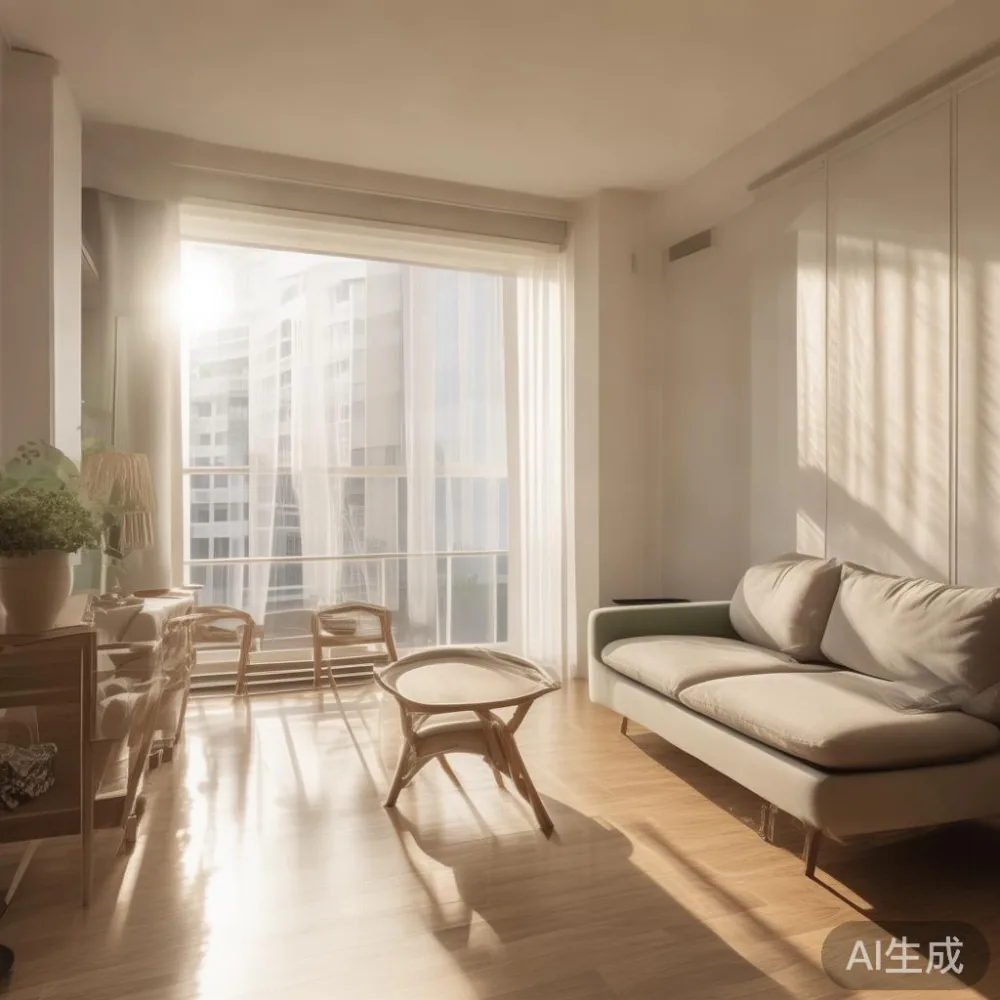
This guide explains what actually happens, how to read the condition of a piece, and what to consider when choosing Scandinavian furniture for a Tampines HDB flat, a Bedok condo or a Punggol home. MIDHILL makes solid wood furniture in Foshan, has exported since 2008 to more than 15 countries, and backs its construction with a 10-year structural warranty. Orders over US$350 qualify for free shipping, and Singapore customers can use the local contact address midhillco@gmail.com for product or delivery questions.
For local pricing, the figures below use SGD. A compact dining table might retail around SGD 780, a 160 cm solid wood bed frame around SGD 690, and a two-door wardrobe around SGD 1,260, depending on timber, finish and hardware. Actual quotations should be confirmed because timber grades and sizes change quoted prices.
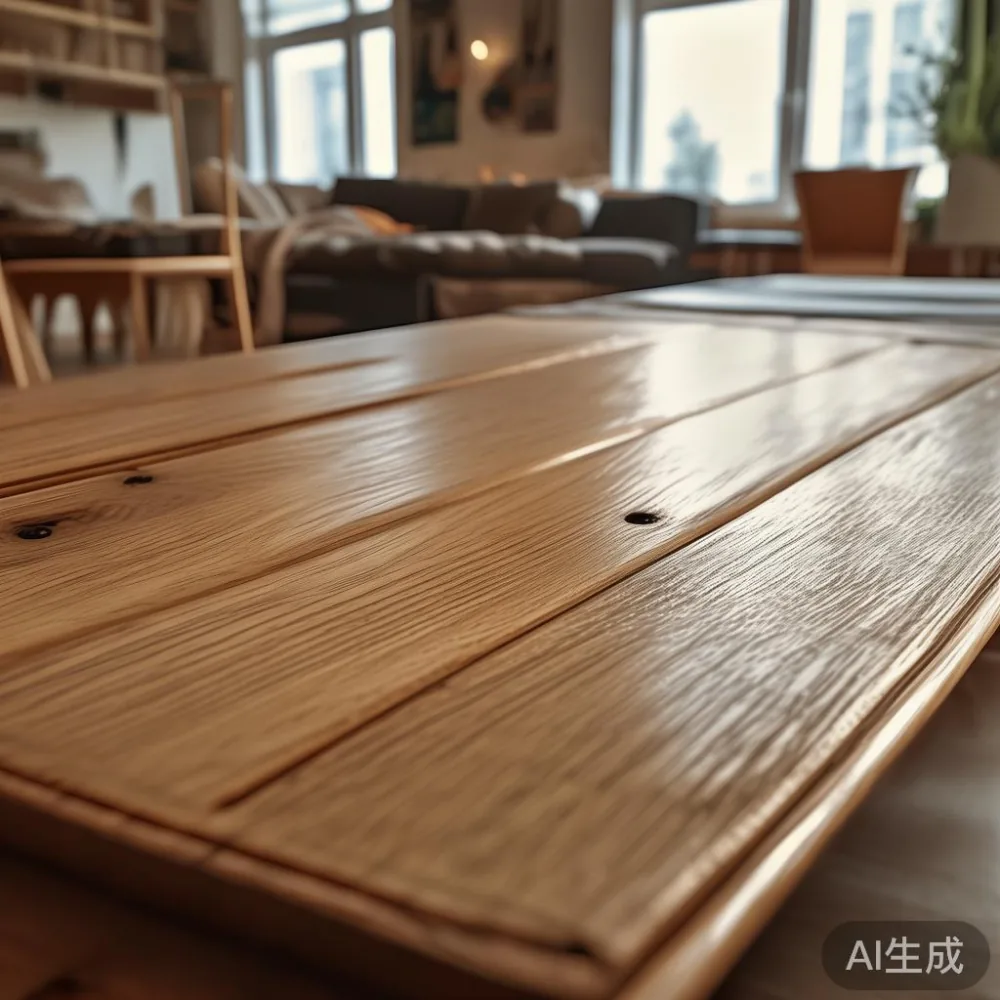
Why does humidity make solid wood furniture move?
Solid timber is not inert. Its cells absorb moisture when the surrounding air is humid and release it when the air becomes dry. In Singapore, relative humidity can sit near 70% during wet periods and fall below 50% in an air-conditioned room. That repeated movement can produce seasonal gaps of roughly 1–3 mm, depending on the board width, wood species and joinery.
Oak, ash and beech generally show visible movement, although the rate varies. Teak has better natural stability, while dense hardwoods such as walnut may move less. A 180 cm dining table with 20–24 cm wide boards may change by about 2–5 mm across its width. A narrower 90 cm nightstand may shift by only 1–2 mm, yet the movement can still be visible at the drawer front.
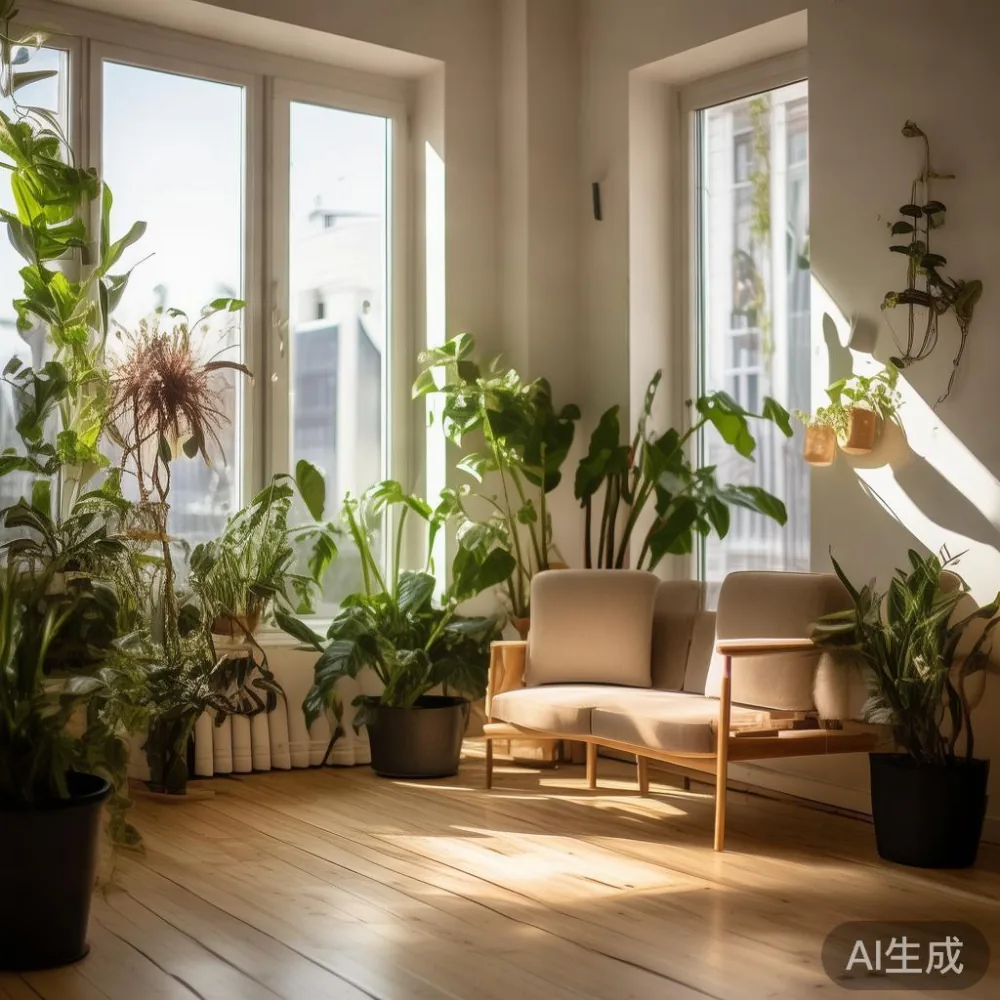
The Singapore context matters because many apartments combine warm, humid corridors with tightly controlled interiors. Lift lobbies and void decks are often ventilated but remain moist. A corridor receiving rain may push a wardrobe close to 80% relative humidity, while a bedroom set to 22–24°C can become comparatively dry. The furniture does not need to be directly wet for these changes to occur.
Contractors also influence indoor conditions. A newly plastered HDB flat may release moisture for weeks. A reno completed in June can still be affected during the following rainy season. Before placing new solid wood furniture against a wall, allow the room to settle and check that skirting boards, doors and nearby cabinetry can move without pressing against the timber.
What humidity does to joints, finishes and floors?
The most obvious warning sign is a joint that no longer closes evenly. Drawer runners can swell, a door may catch at one corner and a bed frame can begin to creak. A dining table top can develop a slight ripple, known as “cupping,” if one face gains and loses moisture at a different rate from the other.
Water-based finishes such as matte polyurethane are generally repairable and maintain a natural look, but they are not waterproof. Spills should be wiped within 10–15 minutes. A ring left for 12 hours can penetrate an open-grain finish and may require light sanding. A lacquered surface usually wipes more easily, yet harsh cleaners can dull it.
Contact with the floor can cause another issue. A solid wood dining table with 4–6 cm legs can transfer small amounts of moisture into a wooden or vinyl floor. Felt pads should sit beneath every leg, with 2–3 mm of clearance from the floor. For a bed frame, use 4–6 mm adjustable levelers to manage uneven HDB floors without forcing the frame.
Do not place a wardrobe immediately beside an air-conditioning unit. Airflow can dry one side faster than the other. Keep at least 30 cm from a direct vent where possible. For a bed frame, leave 5–10 cm behind the headboard when the layout allows, and avoid pushing a solid wood nightstand tightly into a damp corner.
How do I choose humidity-resistant Scandinavian furniture?
Begin with construction rather than a fashionable label. Look for solid wood boards joined with dowels, mortise-and-tenon joints or secure mechanical fasteners. A drawer should have a solid wood box, not a thin decorative face over fibreboard. On a bed frame, inspect centre supports, corner joints and the fixings beneath the slats. On a dining table, check that the top is not assembled from several very narrow strips.
Scandinavian furniture often uses clean lines and pale timber, which can show dust, water marks and movement more clearly than darker pieces. This does not make pale oak unsuitable. It does mean that maintenance matters. A light oil finish can be renewed locally, while a factory lacquer may need a specialist if it is damaged deeply.
For people comparing European sofa vs Japandi sofa, remember that a solid wood sofa frame can tolerate humidity better than an upholstered frame containing particleboard, although foam and fabric still respond to moisture. Remove seat cushions during heavy wet periods if they feel damp, and keep a solid wood coffee table at least 20 cm from open windows.
The same principle applies to broader styling decisions. A guide to how to style Japanese sofa in room can focus on low profiles, pale timber and uncluttered layouts, but the frame’s moisture performance still deserves attention. Choose breathable upholstery, keep textiles 10–15 cm away from exterior walls and use a dehumidifier when a room remains above roughly 70% relative humidity for extended periods.
Ask the supplier for timber details, finish type and expected tolerances. MIDHILL can also advise on finish care, sizing and delivery. A 10-year structural warranty provides useful long-term coverage, while lifetime refinishing offers a route for restoring the surface rather than replacing the whole piece.
Can moisture cause mould, pests or permanent damage?
High humidity can encourage mould on damp walls, but solid furniture is not normally a mould source by itself. Mould is more likely where timber touches a wet skirting board, a leaking balcony door or a surface that never dries. Clean affected areas with a suitable product, correct the water source and allow the area to ventilate before returning the furniture.
Termites are a separate concern. They are more attracted to damp wood and may enter through contact with exterior timber or plants. Do not stack a solid wood nightstand against a planter or keep a wooden storage box beneath an open balcony. Inspect the underside of a wardrobe and the legs of a bed frame every 6 months for mud tubes, frayed areas or damaged boards.
Small swelling is usually reversible. The humidity should return towards 50–65%, after which the drawer or door may close normally. Movement of more than 5 mm, a split longer than 15 cm, a sagging dining table or a bed joint that separates under a 120 kg load should be documented and assessed. Seal or stain marks are cosmetic, while loosened joints and distorted structural parts are not.
Singapore’s weather also affects delivery logistics. A fully assembled 200 cm wardrobe may be difficult to manoeuvre through older HDB corridors and lifts. Check the lift door width, internal depth and turning space before delivery. Punggol and Tampines homes vary considerably, so measurements should be taken rather than assumed.
How should I place furniture in a Tampines, Bedok or Punggol home?
Map the daily moisture path through the home. Balconies, service yards and north-facing rooms can be humid; rooms with frequent air-conditioning are usually drier. Keep solid wood furniture away from window tracks, laundry areas and bathroom doors. For a dining table, allow 90 cm of circulation space in a compact flat and at least 60 cm between the table edge and a wall.
Measure the actual route, not only the room. HDB lift doors may be around 90–100 cm wide, with internal depths near 130–140 cm in older blocks. Corridors can narrow below 100 cm at a turn. A 160–180 cm bed frame may therefore need sectional legs, while a 90 cm dining table can enter more easily if its top is detachable.
Weight also affects handling. A solid oak dining table may weigh 55–85 kg, and a large wardrobe can exceed 100 kg. Confirm whether the courier provides in-home placement, assembly and packaging removal. The delivery promise should be stated in working days; allow approximately 7–14 delivery days for many Singapore orders, subject to stock and final confirmation.
For storage, do not wrap a solid wood wardrobe in plastic for months. Moisture becomes trapped against the finish. Use breathable dust covers and leave doors slightly open for 30–60 minutes after cleaning. Wardrobes should also be anchored where required, especially in a family home with children.
What is the best way to maintain solid wood in Singapore?
Use a simple monthly and seasonal routine. Each week, wipe surfaces with a soft, slightly damp cloth and dry them immediately. Each month, inspect the dining table edge, drawer runners and bed-frame joints. During the wet season, check the rear of a wardrobe and the underside of a nightstand. During drier periods, look for a tight drawer that may need a very small adjustment.
Keep relative humidity around 50–65% where practical. A hygrometer costs about SGD 25–45 and makes changes easier to interpret. If it remains above 70%, improve ventilation and run a dehumidifier. If it repeatedly falls below 40% near an air-conditioning vent, relocate the piece or reduce direct airflow rather than repeatedly applying oil.
For oil-finished wood, apply a thin coat every 6–12 months, following the product directions. Use 2–3 drops on a 30 cm cloth for a small nightstand, and allow the surface to remain tacky-free for several hours. Test an inconspicuous area first. Water-based finishes may accept a compatible maintenance product, but silicone-based polish should not be used because it can interfere with future refinishing.
A marble table needs a slightly different approach. Its stone surface does not expand like timber, but the base, fixings and surrounding furniture still do. Use coasters and avoid placing a damp object directly on marble, which may be porous. A low Scandinavian marble table works well with a solid wood dining table only if both finishes have compatible maintenance requirements.
How do I choose a European light luxury wardrobe for a humid climate?
Anyone learning how to choose European light luxury wardrobe should separate visual style from climate performance. A sculptural handle and restrained oak veneer may create the desired French light luxury appearance, yet the internal structure matters more in a humid room. Prefer a carcass made from stable solid wood or quality engineered panels with sealed edges, and choose drawers with solid wood components where possible.
American light luxury often pairs clean contours with warmer timber and generous proportions. Post-modern light luxury may use geometric forms and mixed materials. These styles can all suit a condo, but each should be adapted to the room’s ventilation and the building’s sun exposure.
For a compact HDB bedroom, a wardrobe 180–220 cm wide and 55–60 cm deep can provide useful hanging space without overwhelming the room. A sliding door may save 5–8 cm of operating clearance in a narrow bedroom, though it needs more care because the tracks can trap moisture. Hinged doors should have adjustable hinges so seasonal movement does not pull the frame out of square.
Leave 3–5 cm behind a freestanding wardrobe if the wall can remain ventilated. Do not seal it tightly against a damp external wall. For a condo near the coast or one with frequent balcony access, inspect the bedroom after heavy rain and avoid installing the wardrobe until the wall is dry.
Is a French bed worth it for Singapore homes?
A upholstered French-style bed can bring soft texture and light-luxury character, but buyers should check the frame, not only the headboard. When asking is French bed worth it, consider slat spacing, centre support and the fabric’s resistance to humidity. A queen-size solid wood bed frame should support a typical mattress without central sagging, and the slats should be no more than roughly 5–7 cm apart for suitable foam or pocket-spring mattresses.
Many people compare European bed vs Mid-century modern bed. A European bed may emphasize an upholstered headboard and refined detailing; a Mid-century modern bed often exposes tapered legs and the timber frame. The latter can be visually lighter and make ventilation around the base easier. Neither design solves humidity on its own, so solid construction and careful placement remain decisive.
For Scandinavian for guest room projects, a 140 cm bed with a solid wood frame can work in a multipurpose room. Leave 60 cm on at least one side for circulation, or 75–90 cm if the bed is used daily. Add a nightstand with a stable drawer and avoid placing the bed directly beneath a leaking window.
What should happen before delivery and after installation?
Before delivery, photograph the furniture and the access route. Measure the lift door, corridor, bedroom doorway and turning points. Confirm whether stair climbing is required. A local lifting service may add approximately SGD 80–220, depending on access and the item’s weight, and any extra charge should be agreed before the job begins.
On arrival, inspect the solid wood dining table, bed frame or wardrobe for existing movement, finish marks and joint alignment. Allow new furniture to acclimatise in the room for around 48–72 hours before tightening drawers or placing heavy objects on a surface. Do not remove protective packaging immediately if the furniture has just arrived during a very wet period; let the packaging breathe for several hours to reduce condensation.
MIDHILL’s Singapore enquiries can be sent to midhillco@gmail.com. Ask for current stock, dimensions, timber information and delivery timing in working days. The company’s 14-day returns policy gives buyers time to assess a piece indoors, while lifetime refinishing can help preserve solid wood furniture over a longer ownership period.
Humidity does not make Scandinavian furniture unsuitable for Southeast Asia. It makes disciplined product selection and maintenance necessary. Stable construction, sensible placement, careful finishes and a measured indoor humidity range can protect a dining table, solid wood sofa, bed frame, wardrobe or nightstand for many years. The practical goal is not to eliminate natural movement, but to keep it small, even and easy to manage.