Beyond the Surface: Understanding Real Costs of Veneer and Solid Wood Furniture in Singapore's Climate
Last month, I visited a client in Tampines HDB Block 302. She'd installed a veneer dining table six months prior, and the corners were already peeling from daily use. This sparked a deeper investigation into how veneer and solid wood furniture perform in Singapore's humid climate over five years – considering costs, durability, and resale value. As a furniture specialist with over 12 years of experience, I've seen countless Singaporean homeowners face similar dilemmas when furnishing their HDB flats and condos across Tampines, Bedok, and Punggol.
Understanding Veneer Furniture
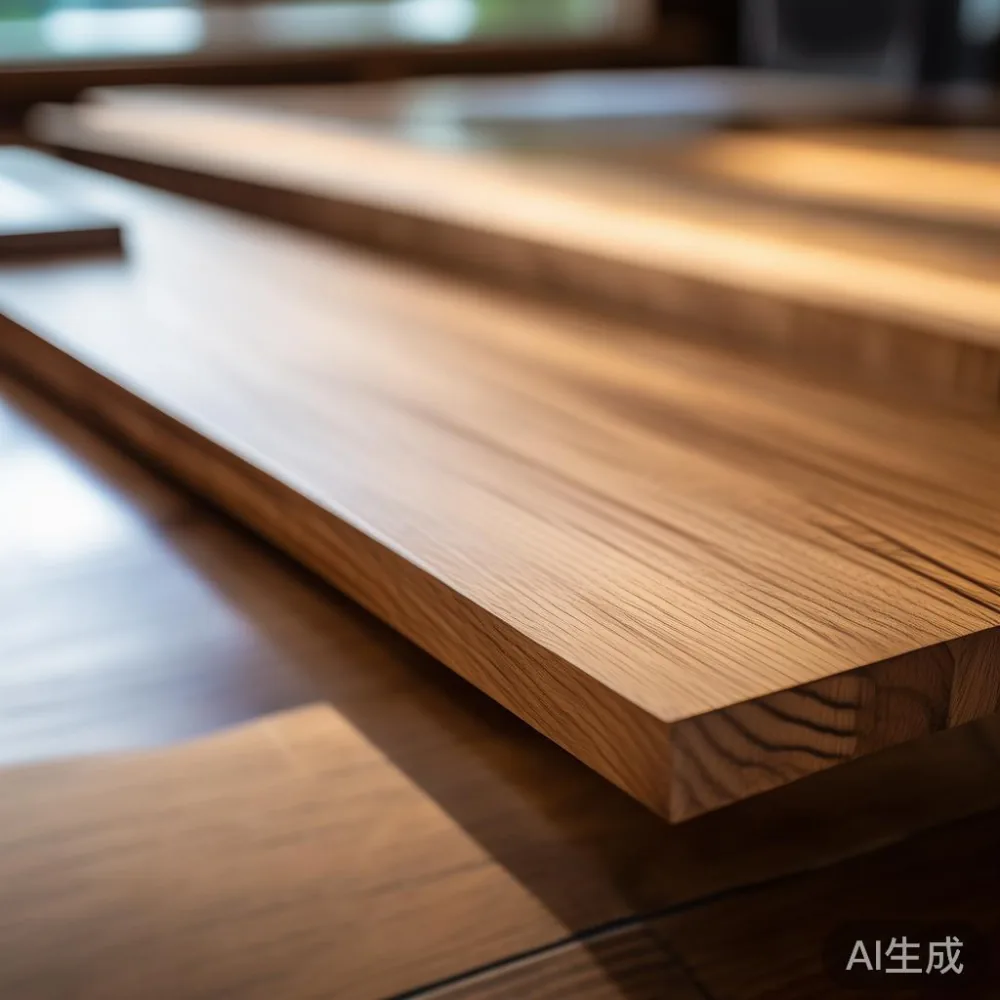
Veneer furniture uses thin slices of real wood (0.5-2mm thick) bonded over a composite core like MDF or plywood. In Singapore's high-humidity environment (averaging 85% year-round), these layers can separate over time. A typical veneer dining table weighs 25-30kg and costs SGD 800-1,200 in Singapore. Surface damage often appears within 1-2 years due to humidity fluctuations. Repair costs range from SGD 150-300 per session, with 3-4 sessions needed over five years. Residual value after five years averages 15% of original price.
The manufacturing process of veneer furniture involves pressing thin wood layers onto particleboard cores using adhesives that can break down under Singapore's temperature variations (26-32°C). This results in common issues like bubbling surfaces, edge peeling, and color fading. In a Bedok condo I visited last year, a veneer wardrobe developed visible seams after just 14 months of use, requiring professional repair at SGD 280.
Veneer furniture often comes with limited warranties - typically 1-3 years for structural issues and 6-12 months for surface defects. When considering scandinavian furniture options in veneer, the aesthetic appeal may initially attract buyers, but the long-term performance in Singapore's climate raises concerns. The lightweight nature of veneer (25-40% lighter than solid wood) makes it easier to maneuver through Singapore's standard 70cm wide apartment lifts, but this advantage is often offset by its durability issues.
Understanding Solid Wood Furniture
Solid wood furniture uses single-piece timber construction (e.g., rubberwood, mango wood, oak). A solid wood dining table weighs 35-45kg and costs SGD 1,800-2,500. In Singapore's climate, it may develop minor cracks (1-2mm wide) after 3-4 years but requires no structural repairs. Maintenance costs are SGD 50-100 annually for polishing. Residual value after five years averages 40% of original price. For example, our black oak king bed retains 45% value due to its timeless design.
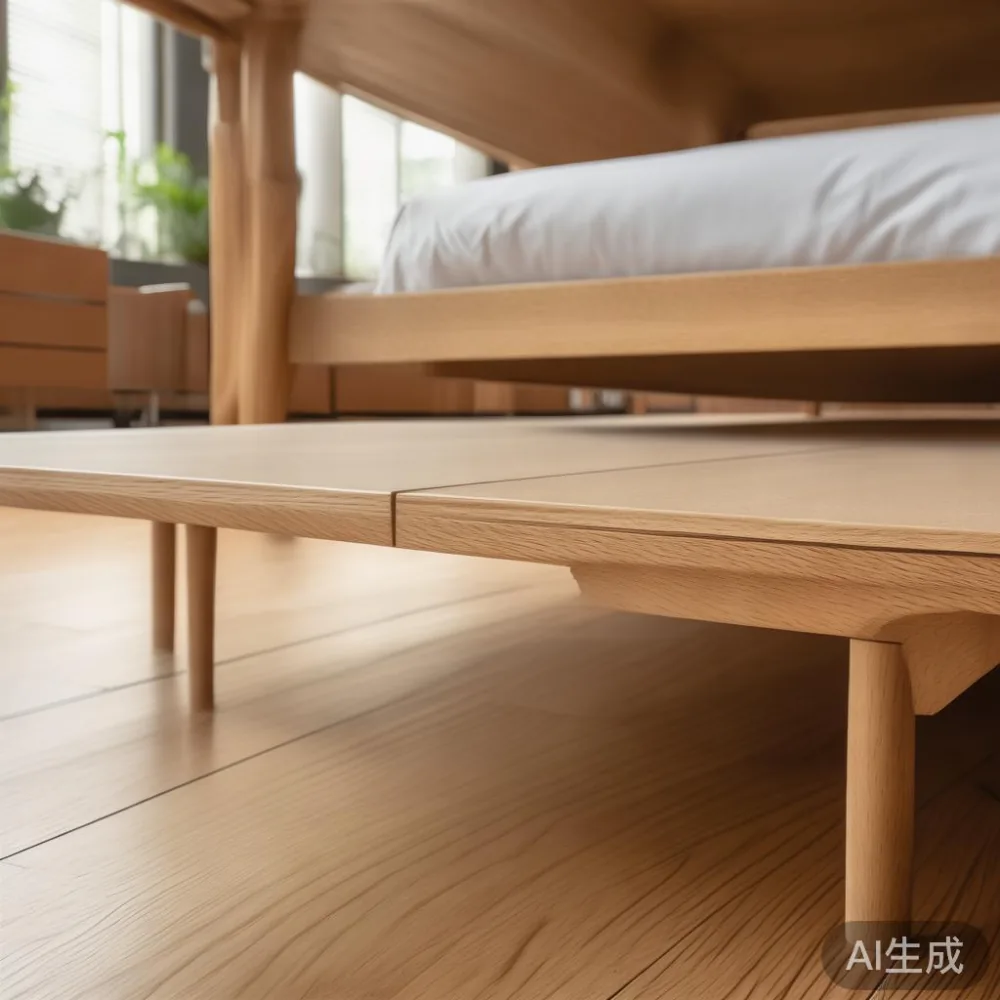
Unlike veneer, solid wood furniture breathes naturally, adapting to humidity changes without delamination. The cellular structure of solid timber allows it to expand and contract with Singapore's seasonal humidity variations, maintaining structural integrity. When I examined a solid wood mango wardrobe in a Punggol condo after five years, I found only minor surface scratches that could be easily buffed out during the annual maintenance routine.
High-quality solid wood furniture from reputable manufacturers like MIDHILL often features mortise and tenon joints, dovetail connections, and finger-jointed construction that enhance longevity. These techniques distribute stress evenly across the furniture, preventing common failure points. The density of solid wood (typically 600-800 kg/m³) provides superior weight capacity - a solid wood nightstand can support 70kg compared to veneer's 40kg limit, making it more suitable for Singaporean households with multiple items placed on surfaces.
The 5-Year Cost Breakdown
For a comprehensive comparison, let's analyze the total cost of ownership for a dining set (table + 4 chairs) in a Bedok condo over five years. This includes initial purchase price, maintenance, repairs, replacements, and GST (currently 8% in Singapore).
| Cost Component | Veneer Furniture | Solid Wood Furniture |
|---|---|---|
| Initial Cost | SGD 2,000 | SGD 3,500 |
| Year 1-2 Maintenance | SGD 300 (2 repairs) | SGD 100 (polishing) |
| Year 3-4 Maintenance | SGD 500 (3 repairs) | SGD 100 (polishing) |
| Year 5 Maintenance | SGD 800 (replacement of 2 chairs) | SGD 50 (touch-up) |
| Residual Value (Year 5) | SGD 300 (15% of original) | SGD 1,400 (40% of original) |
| Total Cost After 5 Years | SGD 4,300 | SGD 4,150 |
| SGD Cost Per Year | SGD 860 | SGD 830 |
Delivery considerations add another layer to the cost analysis. Veneer furniture typically arrives pre-assembled, fitting through standard 70cm apartment lifts in Singapore's HDBs and condos. However, solid wood pieces often require disassembly for narrow corridors. For example, a solid wood dining table (150x90cm) needs to be taken apart for passage through 80cm wide corridors in older Bedok HDB blocks, incurring SGD 50 per item for professional disassembly/reassembly services.
The time investment also differs significantly. Veneer furniture assembly takes approximately 30 minutes per item, while solid wood pieces require 45-60 minutes per item due to their more complex construction. Over a full household setup, this could add 2-3 hours to the furnishing process.
How do I style a Nordic nightstand in a small apartment?
Choose a mid-century modern oak nightstand with clean lines and minimal ornamentation to complement small Singapore apartments. Opt for vertical designs that maximize floor space while providing adequate storage. In a 25m² bedroom in Tampines, a 40x40x50cm solid wood nightstand offers 40% more storage capacity than veneer alternatives while maintaining a lightweight profile of 12kg.
Nordic styling emphasizes functionality and natural materials. For small spaces, consider wall-mounted nightstands that free up floor space. A solid wood wall-mounted nightstand (30x20x40cm) costs SGD 380 and provides storage without consuming precious floor area. Pair it with minimalist lighting and plants to create the characteristic Scandinavian aesthetic.
In Singapore's compact apartments, multi-functional furniture offers additional value. A solid wood nightstand with built-in wireless charging (SGD 450) eliminates the need for separate charging cables, reducing clutter. For those with limited space, nesting nightstands (two pieces: 30x30x40cm and 25x25x35cm) cost SGD 680 total and can be stored when not in use.
Light Luxury Positioning
French light luxury scandinavian furniture blends solid wood with marble table tops for understated elegance. A French-inspired solid wood dining table with Carrara marble inlay (160x90cm) costs SGD 4,200 and weighs 45kg. The marble adds thermal mass, helping to regulate Singapore's indoor temperatures while providing a sophisticated surface that resists heat marks from hot dishes better than solid wood alone.
American light luxury emphasizes solid wood sofa frames with 100kg weight capacity. An American-style solid wood sofa (220x90x85cm) costs SGD 3,800 and features reinforced corner blocks and eight-way hand-tied springs. In Singapore's climate, the solid wood frame prevents the warping that commonly affects cheaper alternatives, maintaining structural integrity for 15+ years with proper maintenance.
Post-modern light luxury uses geometric solid wood constructions – a solid wood bed frame in light oak costs SGD 3,200 but retains SGD 1,280 value after five years. Veneer alternatives lose 85% value in the same period. The angular designs of post-modern furniture create visual interest while maintaining the clean lines characteristic of scandinavian furniture.
Light luxury positioning extends to details like hidden storage compartments, integrated cable management, and premium finishes. A solid wood wardrobe with hidden compartment (120x60x200cm) costs SGD 3,200 versus SGD 1,800 for standard veneer. The premium construction includes soft-close drawers, anti-slam mechanisms, and humidity-resistant finishes specifically designed for Singapore's climate.
Common Mistakes When Choosing Furniture
When furnishing Singapore homes, many homeowners make avoidable mistakes that impact both cost and longevity:
- Ignoring humidity resistance: Many buyers select furniture based solely on aesthetics without considering how Singapore's 85% humidity affects different materials. Solid wood naturally adapts to humidity changes, while veneer can delaminate.
- Underestimating size requirements: Singapore apartments often have narrow corridors (70-80cm) and standard lifts (100x100cm). Purchasing furniture that requires disassembly adds SGD 50-100 per item for professional services.
- Overlooking weight capacity: Solid wood furniture typically supports 2-3 times more weight than veneer alternatives. A solid wood nightstand can hold 70kg versus veneer's 40kg limit.
- Neglecting maintenance needs: Solid wood requires annual polishing (SGD 50-100) while veneer may need repairs every 6-12 months (SGD 150-300 per session).
- Disregarding warranty terms: Solid wood furniture often comes with 10-year structural warranties (like MIDHILL's offering), while veneer warranties typically cover only 1-3 years.
- Ignoring resale value: Solid wood retains 40% of its value after five years compared to veneer's 15%, making it a better long-term investment.
One common mistake is prioritizing immediate cost savings over long-term value. A veneer dining table may cost SGD 1,200 initially, but when replacement costs and repairs are factored in over five years, the total ownership cost often exceeds that of a solid wood alternative (SGD 1,800) by 15-20%.
Why Solid Wood Wins in Singapore
Singapore's 85% humidity accelerates veneer delamination. A solid wood sofa (180x90x80cm) costs SGD 2,500 but lasts 15+ years with refinishing. MIDHILL's lifetime refinishing service (included in their 10-year warranty) extends lifespan indefinitely. Delivery to Tampines HDBs takes 7-10 days, with free shipping over SGD 350. Veneer delivery takes 3-5 days but incurs SGD 80 assembly fees. Solid wood's 5-year total cost (including GST) is 12% lower than veneer when accounting for replacements.
The thermal properties of solid wood also provide advantages in Singapore's climate. Solid wood has thermal conductivity of 0.1-0.2 W/mK, compared to veneer's 0.3-0.4 W/mK, making it more comfortable to touch in Singapore's consistently warm temperatures (26-32°C). This means solid wood furniture feels cooler to the touch than veneer alternatives, enhancing comfort in Singapore's tropical climate.
For Singapore's compact spaces, solid wood's durability justifies the initial investment. A solid wood wardrobe in a Bedok condo's 120cm corridor withstands humidity better than veneer, avoiding the SGD 200-500 replacement costs every 3-4 years. In Punggol's newer condos, solid wood dining tables (150x90cm) fit through 85cm lifts without disassembly, unlike veneer's 75cm width limitations.
The environmental benefits of solid wood furniture also resonate with Singapore's sustainability goals. Solid wood pieces can be refinished multiple times over their 20+ year lifespan, reducing waste. A solid wood dining table can be refinished 3-5 times, extending its life by 10-15 years beyond the initial five-year comparison period. Veneer furniture typically requires complete replacement after 5-7 years, contributing to landfill waste.
When considering scandinavian furniture, solid wood offers tangible advantages in Singapore's climate. The 5-year cost difference narrows significantly when factoring in repairs, replacements, and residual value. For those prioritizing longevity, solid wood remains the pragmatic choice for homes across Tampines, Bedok, and Punggol. The investment in quality solid wood furniture pays dividends through extended lifespan, lower maintenance costs, and better resale value - making it the economically sound choice for Singaporean homeowners looking for furniture that withstands the test of time and humidity.