Caring for Lacquered Furniture in Singapore’s Climate: Tips & Tricks
Lacquered solid wood furniture can look calm, pale and finely detailed in a Singapore home, yet the local climate works hard against a polished surface. Humidity, airborne salt, kitchen moisture and repeated hand contact can leave a lacquer finish dull, hazy or marked. The care routine matters, but so do the furniture choices made for the space. For residents of Tampines, Bedok, Punggol and newer condominiums, a measured maintenance plan can preserve the crisp character of Scandinavian furniture without turning everyday care into a full restoration project.

I tested a lacquered dining table in our Foshan workshop last month. I wiped one panel with a lightly damp cloth for 10 seconds, then left another panel beside an open cup of hot tea for 30 minutes. The damp patch dried without visible blooming, but the tea left a faint ring that needed a second pass. A colleague then placed a cool glass directly on the lacquer for 5 minutes. No permanent mark appeared, although a close inspection showed a slight temporary haze. That experience confirmed that brief, controlled moisture is manageable; standing water and heat need more caution.
For shoppers comparing American sofa vs Mid-century modern sofa, upholstery receives more attention than lacquer because the wood frame is usually less visible. The same distinction matters with a solid wood sofa, bed frame, dining table, wardrobe or nightstand: the finish protects the timber, while the indoor environment determines how long it stays clear. MIDHILL offers a 10-year structural warranty and lifetime refinishing, which can make long-term ownership easier to plan, although routine care remains the owner’s responsibility.
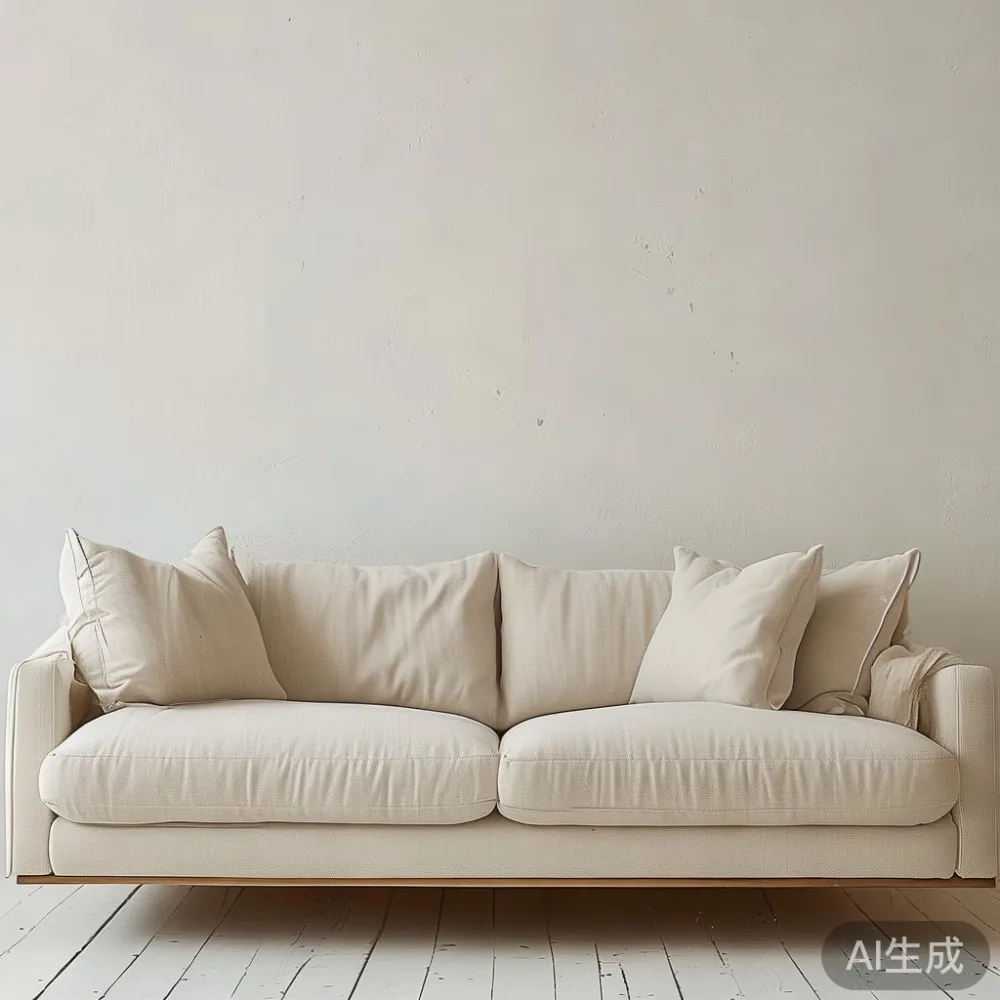
What does humidity do to lacquered wood in Singapore?
Singapore’s relative humidity commonly changes between about 60% and 85% through the day. Lacquer is less porous than unfinished timber, but repeated moisture exposure can still affect the finish, the joint lines and the movement of solid wood underneath. A surface that feels cool and slightly tacky on a humid afternoon may be collecting moisture rather than simply feeling cool.
Keep indoor readings near 50% to 65% where possible. A digital hygrometer costing around SGD 18 to SGD 35 is enough for a living room, while a bedside model in the SGD 25 to SGD 50 range can help with a bed frame or nightstand. Place it about 50 cm above the floor and away from an air-conditioning vent. Record the morning and evening readings for 7 days before changing the whole routine.
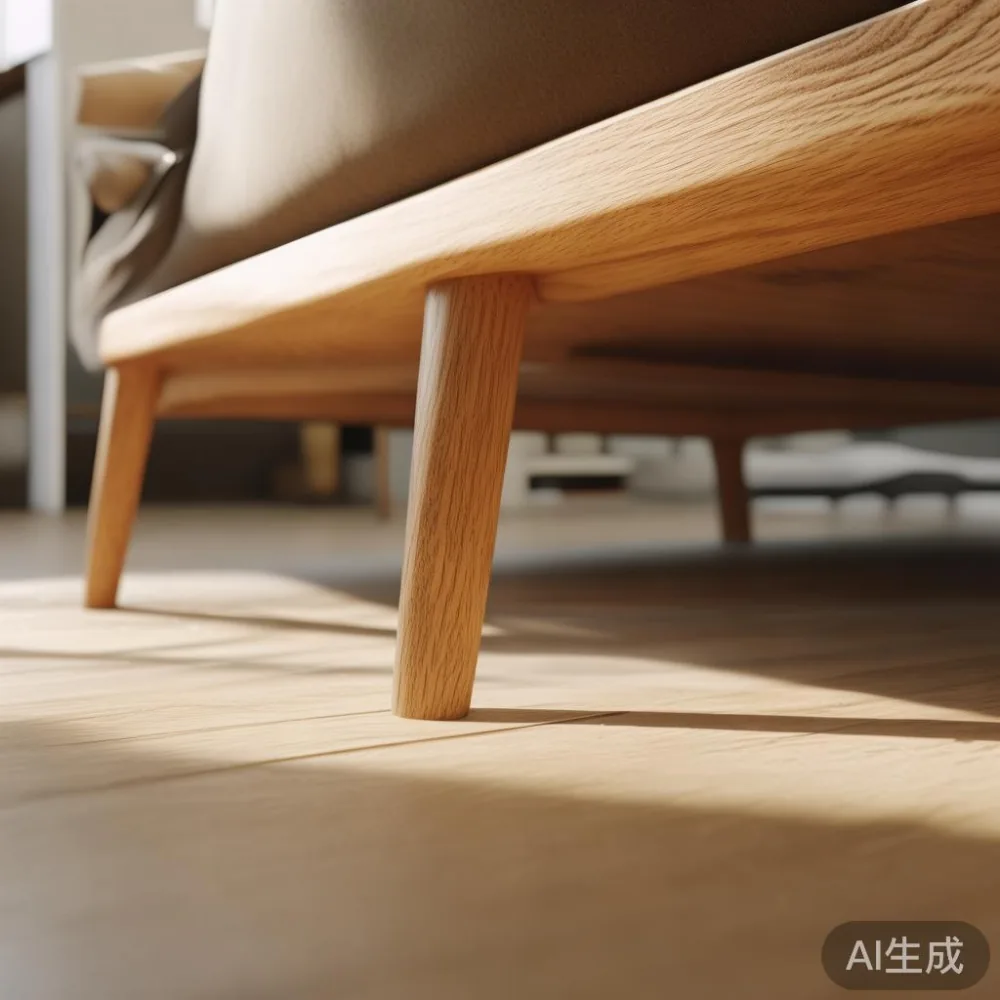
For HDB flats, where a unit may have narrow lift and corridor approaches, choose furniture that can be moved without scraping door frames. Allow roughly 5 cm of clearance around the side and back of a lacquered cabinet, and 10 cm above a wardrobe if possible. Air must circulate around the finish. Furniture pushed tightly against a wall can trap humidity and make cleaning harder.
Air-conditioning helps during the day, but doors and windows should be managed carefully. After a rain shower, keep balcony doors closed for about 20 minutes if outdoor air remains very humid. In the evening, ventilate for 30 to 60 minutes while the unit cools. This simple balance is more useful than chasing the appearance of a perfectly dry room.
What is the safest daily cleaning method for lacquered furniture?
Use a soft, lint-free microfibre cloth, preferably 30 cm to 40 cm wide. Add plain water or a pH-neutral wood-care solution diluted according to its label. Spray the cleaner onto the cloth rather than the furniture, then wipe with light pressure. A lacquered dining table should be treated like a finished surface, not a workbench: crumbs can be lifted with a dry cloth, while sticky marks need a barely damp cloth and 1 to 2 minutes of gentle work.
After wiping, use a second dry cloth and check the surface under side lighting. If a dull streak remains, buff along the grain for 10 to 20 seconds. Never use a scouring pad, wire wool, abrasive sponge or household cleaner containing bleach, ammonia, strong alkali or silicone. Those products can dull the lacquer or leave a patch that looks like haze.
For a dining table, clear plates and coasters rather than relying on the finish to block heat. A ceramic mug can leave a temporary mark if it sits in one spot for several hours. Use a coaster with at least a 7 cm diameter and keep hot pots on a separate board. A marble table has a different maintenance pattern, so avoid transferring wood-cleaner instructions to stone without checking the stone supplier’s guidance.
Clean high-touch areas once a week and lightly wipe other surfaces every 7 to 14 days. In a busy dining area, this frequency may be excessive if the table is spotless, but it remains a practical baseline for a busy Singapore household.
Can steam, sunlight and outdoor air damage a lacquer finish?
Steam should stay away from lacquered surfaces. A kettle can release visible moisture within a 30 cm radius, and a bathroom or balcony area can expose wood to persistent dampness. Keep a solid wood bed frame away from an open bathroom door if possible, and allow at least 60 cm between the foot of the bed and a humid ensuite where the layout permits.
Direct tropical sunlight is another risk. UV exposure can fade colour unevenly, especially with pale oak or ash tones. A west-facing Tampines or Bedok living room may receive direct light between 2 pm and 5 pm. A curtain that filters 50% to 70% of visible light offers a sensible compromise. Rotate accessories every 4 to 6 weeks so one corner does not become noticeably lighter.
Outdoor air should not be used to “air out” a lacquered piece during a downpour. Salt-laden particles can settle on a wet finish. If a new unit has been unpacked near a corridor or balcony, wipe the surface with a clean damp cloth and dry it with a separate cloth within 5 minutes. Avoid leaving delivery cartons beside an open window for more than 15 minutes.
For customers researching top 10 European furniture lists, material finish deserves a place beside dimensions and construction. A European-looking dining table with a pale lacquer may suit a compact Singapore room, yet it still needs protection from heat, water and sunlight.
How should I care for different pieces of lacquered furniture?
A solid wood sofa with lacquered timber arms needs different attention from a lacquered dining table. Vacuum the surrounding floor weekly and clean the arm surfaces with a lightly damp cloth every 2 to 4 weeks. Check underneath loose seat cushions for grit, because trapped sand can scratch both the frame and the finish during movement.
A lacquered bed frame should be dusted weekly, with extra attention around the headboard and footboard where hands and bedding contact the surface. Keep the frame 5 cm to 10 cm from the wall if space allows. Do not drape damp bedding over the headboard overnight; move it to a dry rail for at least 6 hours.
For a wardrobe, clean the exterior every 2 to 4 weeks and inspect the inside every 3 months. Use a soft brush along the grain at the top, where dust can settle. If sliding doors move across lacquered panels, lift and clean the track monthly. A stickier track may indicate moisture or grit rather than a need for a stronger chemical cleaner.
A nightstand benefits from a coaster, a stable lamp base and a small tray. A phone charger can transmit heat over several hours, so give it a 10 cm clearance. A dining table needs the most frequent wipe-down, particularly after meals. For anyone checking where to buy dining table from MIDHILL, request the finish-care sheet and ask for available dimensions before ordering; the correct care instruction should match the exact lacquer and solid wood species supplied.
These are still lacquered pieces of Scandinavian furniture, not a separate outdoor category. Their shared care rule is simple: dry the surface, control heat and keep chemicals away.
How do I stop fingerprints, scratches and dull patches?
Fingerprints become more noticeable on dark or gloss lacquer. Clean a small hidden area first, then use a tiny amount of cleaner on a cotton pad. Work in a circle no larger than 5 cm, and wipe away residue immediately. Test on 3 different days if the finish has recently been refinished.
Minor scratches can sometimes be reduced with a lacquer-safe polishing cloth, but deep marks should not be treated with improvised abrasive products. The owner can send photographs to midhillco@gmail.com with the piece name, finish colour and approximate scratch length. MIDHILL’s lifetime refinishing policy can then guide the appropriate service route.
Use felt pads under ornaments and replace them every 6 to 12 months. Keep grit away from the floor rather than sweeping it into the furniture edge. Lift a chair when moving it instead of dragging it across the floor. If a chair must move, fit a protective layer that is 3 mm to 5 mm thick and lift it again before crossing a threshold.
Dull patches may come from residue, moisture or uneven buffing. Start with a dry microfibre cloth for 20 seconds. If the haze remains, use a damp cloth followed by a dry one. Avoid repeated polishing, because excessive friction can create a shine difference between adjacent panels.
What should I ask when ordering furniture for a Singapore home?
Ask for the exact lacquer type, cleaning instructions, warranty coverage and refinishing terms. Check the final dimensions against the lift door, corridor turns and stairwell. In many HDB access routes, a 70 cm wide lift door and a 100 cm wide corridor can restrict delivery of a 90 cm wide wardrobe or a large dining table. Request measurements in centimetres and allow at least 10 cm of maneuvering room on the tightest turn.
Ask whether pieces are delivered assembled or flat-packed. Delivery commonly takes 15 to 45 days after order confirmation, depending on production and Singapore stock movement. Confirm the GST-inclusive SGD price, the delivery fee and the return window. MIDHILL provides free shipping for orders above US$350, and the Singapore tax shown at checkout should be in SGD, with GST included where applicable. The stated 14-day returns period gives buyers time to inspect a piece indoors, although certain made-to-order items may have specific conditions.
For a compact flat, Scandinavian for small living room planning is less about hiding furniture and more about giving each object a practical position. A 100 cm to 120 cm dining table can suit two to four people; a 45 cm wide nightstand can sit beside a bed frame; a low solid wood sofa can preserve visual space without making the room feel temporary. If you are working through how to style European bed in bedroom questions, a pale lacquered headboard may suit a quiet, post-modern light luxury composition, provided it is kept away from strong afternoon sun.
For contract buyers comparing wholesale light luxury furniture, the sample should represent the actual lacquer finish under tropical light. Request a 20 cm by 20 cm sample, view it beside white walls, and inspect it after 24 hours at home. Warm and cool light can shift a pale finish more than buyers expect.
Finally, create a care calendar. Check humidity on the 1st and 15th, clean touched surfaces weekly, inspect lacquer under side lighting every 3 months, and review scratches every 6 months. With those intervals, a lacquered surface in Singapore can retain its clean lines and tactile finish for years rather than months, while remaining true to the restrained character of Scandinavian furniture and the polished intent of French or American light luxury.