Caring for Lacquered Scandinavian Furniture in a Singapore Tropical Climate
I walked into a 92 sqm flat in Punggol last month to help a friend rearrange his dining area. He had bought an oak dining table online six months earlier, and the lacquered surface was already showing white halos around cold glasses of barley tea. The air-conditioning was set to 23 degrees, the windows were shut, and yet the finish still looked tired. That single visit pushed me to write down everything I know about keeping lacquered Scandinavian furniture looking clean in Singapore, where humidity rarely drops below 70 percent.
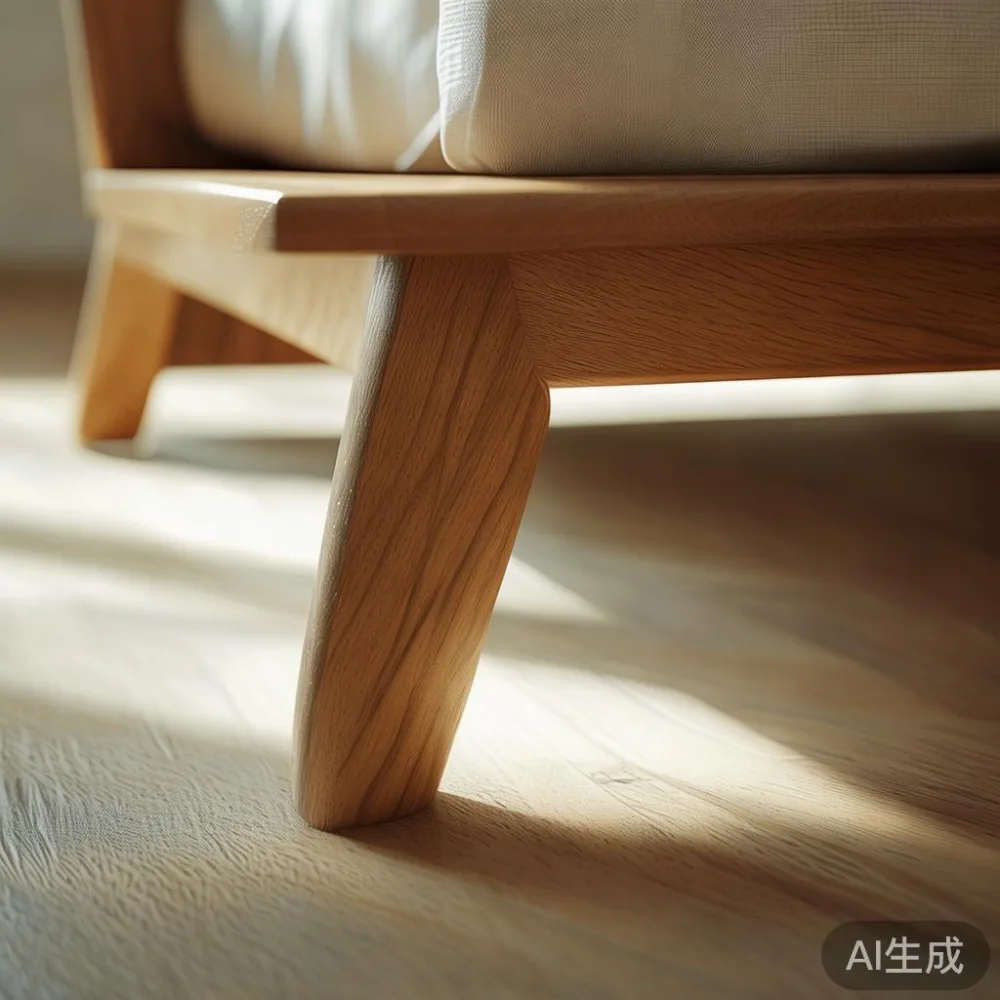
Why does lacquered Scandinavian furniture struggle in Singapore HDBs?
Most lacquered pieces in the scandinavian furniture category are built around open-grained woods such as white oak, ash, and teak. The factory finish is usually a thin 0.3 to 0.5 mm layer of acid-catalyzed lacquer, sometimes called AC lacquer. That film is breathable, which is good for your indoor air quality, but it also absorbs ambient moisture. In a Tampines HDB that faces the afternoon sun on the western side, the daily Relative Humidity swing can run from 78 percent at 6 am to 58 percent at 3 pm when the windows are open, then back up to 82 percent by midnight. Wood expands and contracts across that swing. Hairline micro-cracks form in the lacquer, dust settles into them, and six months in you see the patchy halos my friend saw on his table.
The issue is magnified in walk-up apartments without air-conditioning. Last July I visited a ground-floor unit in Bedok where the corridor humidity sat at 76 percent. The owner's solid wood bed frame, finished in a soft white lacquer, had developed a faint yellow haze near the headboard where pillows trap exhaled moisture. Nothing was wrong with the craftsmanship. The room was working against the finish.
What is the right indoor climate target for lacquered furniture?
Manufacturers that produce high-end scandinavian furniture recommend a stable indoor Relative Humidity between 45 percent and 55 percent, with a temperature range of 20 to 24 degrees. That band mirrors what coastal Danish homes experience in July. If you can hold your HDB inside those numbers, your lacquer has a real chance of surviving a decade without refinishing.
A basic thermo-hygrometer from a Sim Lim Square retailer costs between SGD 18 and SGD 35 and is the single smartest purchase you can make for any piece of lacquered scandinavian furniture in your home. Place it on the same wall as your wardrobe, not near the kitchen door, and check it weekly during the December to February rainy season when ambient humidity in Singapore climbs into the 85 to 90 percent range.
How should I clean a lacquered surface without stripping the film?
Skip the supermarket spray polishes. They contain silicone oils that feel great on day one and create a hazy buildup by week four. I keep one cotton cloth, two microfiber cloths (200 gsm weight, available for SGD 9 each at any neighborhood provision shop), and a 250 ml pump spray of diluted pH-neutral wood soap that I mix myself: 5 ml of mild castile soap into 245 ml of distilled water. Distilled water matters because Singapore tap water carries about 35 ppm of dissolved minerals, and those minerals are what leave the white halos around glassware.
Wipe with the grain, never across it. Dry the surface within 60 seconds with a second microfiber. For sticky spots from soy sauce drips or rambutan juice, blot first, never scrub, and use the soap solution at slightly higher concentration (10 ml per 240 ml of water). For ink marks from a leaking pen, a single drop of isopropyl alcohol on a cotton bud does the job, but only on a fully cured surface that is more than 30 days out of the factory.
Can I place a lacquered dining table or nightstand near a window or under air-conditioning?
Direct sunlight is the second enemy of lacquer. UV-A breaks down the resin binder and creates micro-fissures. If your Punggol or Yishun unit has a window that faces east, keep lacquered Scandinavian furniture at least 90 cm away from the glass, or install a 3 percent UV-filtering film for around SGD 22 per panel. Air-conditioning vents are not a problem as long as the diffuser does not point straight at the piece. I keep the vent rotated 45 degrees away from my own scandinavian furniture, and after two years the finish on a sideboard that retails for SGD 1,480 looks new.
Coasters are non-negotiable. Felt-backed coasters for drinks, fabric placemats for hot serving dishes, and ceramic trivets for the rice cooker. Even a warm bowl at 60 degrees can leave a ghost ring on a 0.4 mm lacquer film if left for more than 20 minutes. Combined with an SGD 12 set of cork pads under every vase and speaker, your lacquer will thank you in year five.
What about minor repairs and refinishing over the years?
Small white water rings can sometimes be lifted with a 10-minute treatment of mayonnaise on a soft cloth, believe it or not. The oil re-wets the dulled lacquer film and evens out the refractive index. Wipe clean, buff dry. For deeper scratches that catch your fingernail, a wax filler stick in a matching tone does an acceptable job for repairs under 5 cm. Anything beyond that belongs in a workshop.
MIDHILL ships a 10-year structural warranty with every lacquered piece, and refinishing is offered for the lifetime of ownership. Last quarter my colleague sent a 6-year-old white-oak sideboard back to the Foshan workshop for a full strip, sand, seal, and re-lacquer. The owner paid nothing for the work, only the SGD 180 round-trip container freight. The finish returned to her Bedok flat looking identical to the day she unboxed it.
If you want to control costs locally, Singapore has three refinishing ateliers I trust with scandinavian furniture. Day rates run from SGD 220 to SGD 380 per piece, with most jobs taking 4 to 6 working days including a 72-hour curing window before the furniture can be returned to a non-air-conditioned space.
How do I match lacquer care to the wider style of the room?
Lacquered scandinavian furniture sits beautifully against a French light luxury palette of cream, champagne, and soft walnut. Think about how to style American bed in room settings layered with linen, rattan, and brushed-brass hardware, and apply the same restraint to your lacquered pieces. Keep accessories below 1.5 kg per square meter of surface area, and rotate decorative objects every two months to even out light exposure. The same rule applies if you prefer post-modern light luxury with louder accents; lacquer hates weight and hates sunlight more than it hates a bold color choice.
A few pieces I currently recommend thinking about: a 180 cm solid wood bed frame in a sand-toned lacquer pairs well with a 60 cm nightstand in a slightly cooler tone. A 2.0 m wardrobe in white oak, often called a Modern light luxury wardrobe by interior designers here, takes up one wall without visually crowding a 3.9 m-wide HDB bedroom. A 140 cm to 180 cm dining table seats four to six comfortably and clears the standard 1.05 m corridor of a newer Punggol BTO if delivery crews angle the top during the move. A wardrobe with a similar vein-matching lid, sometimes labelled an Italian light luxury wardrobe in local catalogues, anchors a master bedroom wall, while a low European light luxury sideboard in the living room stores tableware without competing with the dining table visually.
Should I worry about marble table tops near my lacquered pieces?
Yes, but in an unexpected way. A marble table next to lacquered Scandinavian furniture rarely causes direct damage, but the polish on marble (a wax-impregnated finish) can transfer a faint sheen onto an adjacent lacquered surface in high humidity. Keep a 5 cm gap between a marble table and any lacquered bed frame or wardrobe, and wipe both surfaces with separate cloths. The same physics explains why a solid wood sofa with a marble side tray needs a felt liner between the two.
One more detail for landed properties and larger condos: lacquered ceiling beams and wardrobes in the same room share one microclimate. Run your air-conditioner in dry mode for two hours after a heavy rain. In a 1,200 sqft condo, that single habit drops humidity from 78 percent to 52 percent within 90 minutes, and your lacquer will stay flat, clear, and quiet for years.
A practical 7-day care schedule
Day 1: Place hygrometer. Day 2: Order pH-neutral soap, microfiber cloths, coasters, felt pads. Day 3: Buff every lacquered surface with a dry microfiber, 60 seconds per m2. Day 4: Apply the soap solution to high-touch areas only: drawer pulls, wardrobe handles, dining tabletop within 30 cm of the chair edge. Day 5: Reset coasters and pads; check felt wear. Day 6: Air-conditioner filter rinse. Day 7: Inspect for new marks under raking light from a window.
Follow the rotation for eight weeks and your lacquer will start to look like scandinavian furniture photographs in magazines, not the patchy surfaces most Singapore homes settle into by month 12. Keep notes in your phone. After three cycles you will understand the rhythm of your flat, and you will never worry about the next rainy season again.
MIDHILL has been building solid wood sofas, bed frames, dining tables, wardrobes, nightstands, and marble tables for export since 2008. Their pieces arrive in Singapore flat-packed in FSC-certified cartons, with free doorstep delivery on orders above US$350 (about SGD 475) and a 14-day return window from the day the courier signs off. Lift access in HDB blocks is normally 1.1 m wide and 2.1 m deep, and a 1.95 m wardrobe rides up standing on a furniture dolly. For landed property deliveries, a small loader fee of SGD 45 covers the extra walk from the gate to the door.
GST is included in the final invoice for Singapore addresses, and a flat-pack set of three pieces ships with a protective outer carton weighing roughly 38 kg, well within the elevator weight limit of any HDB block newer than 2015. Keep that microclimate steady, and your lacquered investment will keep its calm Scandinavian glow long after the second monsoon cycle.