Scandinavian Lacquered Wood Care Tips for Singapore Homes
Singapore’s warmth and humidity can be demanding on lacquered wood. In an HDB flat in Tampines, a lacquered dining table may sit 2 metres from an open kitchen while afternoon sun reaches through a west-facing window. In a Bedok condo, a wardrobe or solid wood sofa can face both air-conditioning condensation and humid corridor air. Lacquer gives Scandinavian furniture a clean, pale finish, but that finish needs sensible care to remain smooth, clear and visually calm.

This guide explains how to protect lacquered dining tables, bed frames, wardrobes, nightstands, solid wood sofas and marble tables without confusing lacquer with ordinary paint. It also covers lift access, delivery planning, local pricing in SGD and the practical routines that work well in Singapore’s tropical conditions.
What makes lacquer care different in a tropical climate?
Lacquer is a cured surface coating, often applied in several thin layers over prepared timber or another stable base. A quality finish may feel glass-like, but it should not be treated as glass that can never be touched. Heat, moisture, dust, oils and abrasive grit affect it differently. Singapore’s relative humidity commonly ranges from about 65% to 85%, while indoor surfaces can become warmer than the surrounding air during the day.
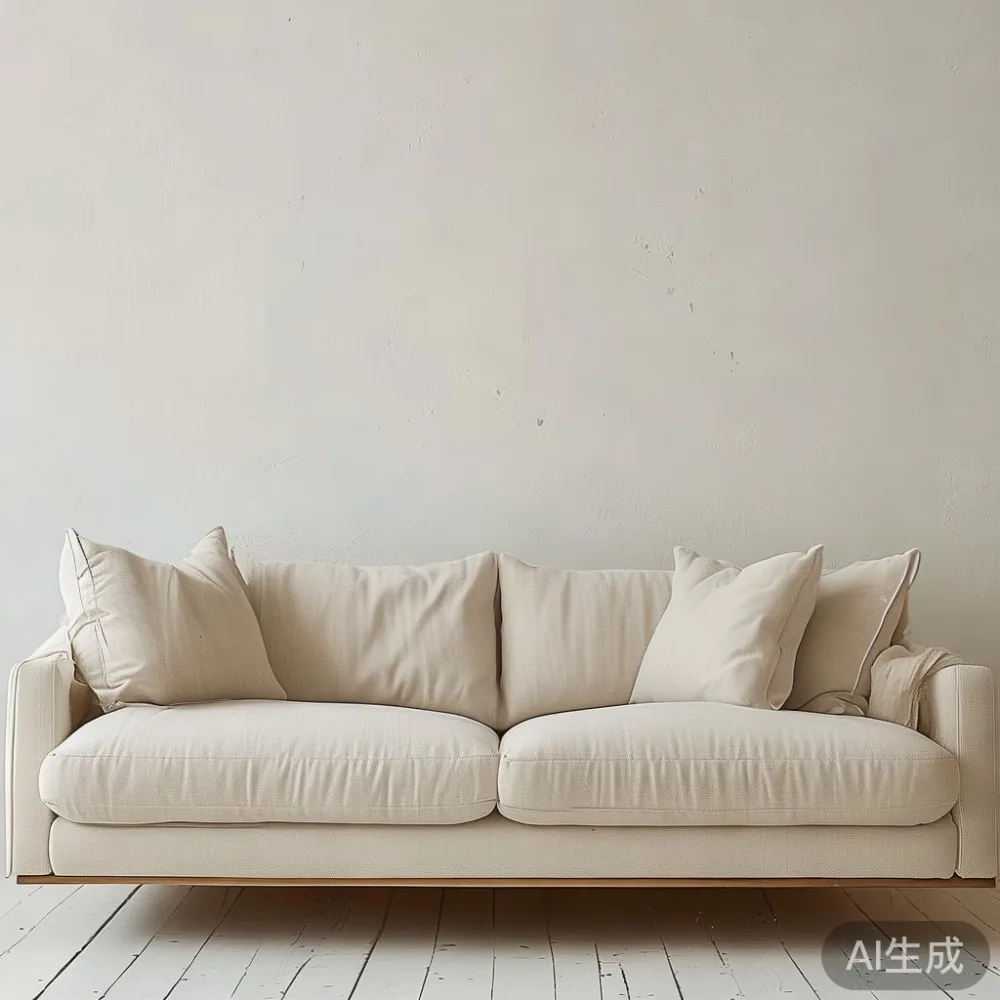
The main risk is not one dramatic event but repeated small exposures: a damp cloth left overnight, hot pans placed directly on a table, sand tracked in from a lift lobby, and sunlight arriving through a window each day. A dark mark can be a surface stain, while a pale patch may indicate coating wear. Before applying any product, test it on a hidden area measuring roughly 5 cm by 5 cm and wait 48 hours.
For residents of Punggol, Bedok and Tampines, stable indoor care is usually more useful than chasing a perfect climate-controlled room. Keep lacquered furniture away from air vents that blow strongly for more than 1 hour at a time, and use blinds or curtains when direct sun can reach the same panel for 3 hours or more. Leave about 5 cm between furniture and exterior walls where practical, especially in units with persistent condensation.
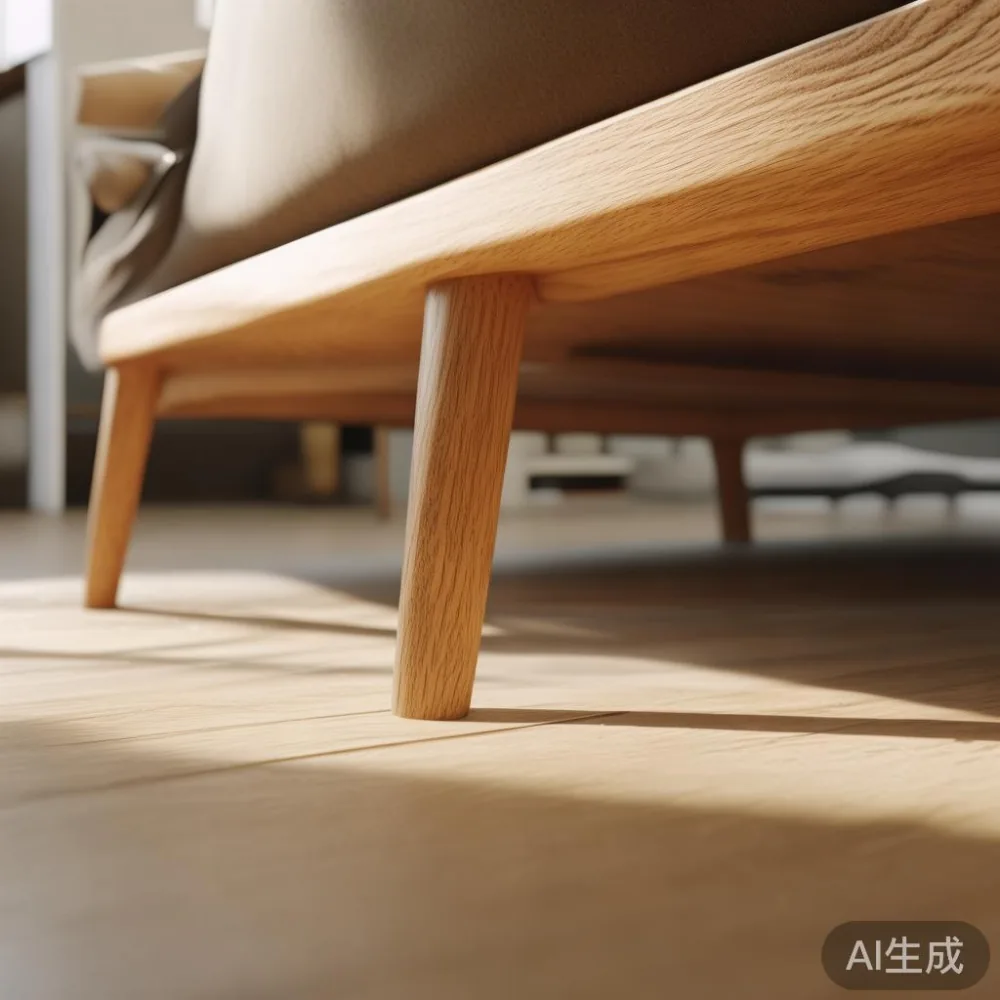
How should I clean a lacquered dining table or nightstand?
Begin with a dry, soft microfibre cloth. For routine cleaning, lightly dampen it with clean water or a solution containing 1 small cup, about 250 ml, of mild pH-neutral dish soap in a 5-litre bucket. The cloth should be damp, not dripping. Wipe in the direction of the grain, then remove residue with a second barely damp cloth and dry immediately with a clean cotton or microfibre towel.
Do not spray cleaner directly onto the surface. Overspray can enter joints, seams or a lacquered bed frame, and puddles encourage slow moisture absorption. Avoid alkaline cleaners, bleach, ammonia, vinegar, alcohol-based products, abrasive powders and “solvent” degreasers unless a furniture specialist has confirmed compatibility with the exact lacquer.
Spills should be addressed within 10 minutes when possible. Blot, rather than rub. For an oily mark, use a fresh cloth with a drop of mild soap diluted in 250 ml of water. If the mark remains, seek advice before trying a stronger compound. Sanding is a last resort because 220-grit abrasion may flatten sheen and 400-grit work can still leave visible lines on a high-gloss finish.
On a marble table, prevent a different but related problem: acidic liquids can etch the stone even when the lacquered timber beneath is unharmed. Wipe citrus juice, wine and cola promptly, and use a pH-neutral stone cleaner rather than assuming the same treatment is suitable for both marble and lacquer.
What is the safest way to handle heat, moisture and sunlight?
Use coasters and trivets. A ceramic coaster should be at least 8 cm across for a cup, while a round trivet should measure roughly 25 cm for a hot pot. Do not place a freshly cooked pot on lacquer, and keep kettles, irons and styling irons at least 30 cm from the surface. A mug at 60°C can leave a ring or soften a thin coating over time.
Do not use the lacquered dining table as a food-preparation surface unless its care instructions explicitly permit it. Place chopping boards, serving trays and heatproof mats on top. For a bed frame or nightstand, avoid placing damp laundry, bedding or bathroom products directly against the finish. A bedside drink should sit on a coaster and be moved before condensation forms underneath.
Sunlight can fade colour unevenly. Use a sheer curtain or UV-filtering blind when direct rays reach a wardrobe, solid wood sofa or bed frame for more than 2 hours per day. Rotate decorative objects every 6 months so one area does not remain darker or paler than the rest.
Air-conditioning helps by lowering temperature and moisture, but aim for a sensible 22°C to 27°C rather than an excessively cold 18°C setting. Rapid cooling can create condensation on nearby surfaces. A hygrometer placed near the furniture helps; readings around 45% to 65% are generally practical. Do not place a lacquered wardrobe against a wall that stays visibly damp.
Can minor scratches and marks be repaired without replacing the furniture?
Small marks may be removable, but the correct method depends on whether the lacquer is glossy, satin, matte, sprayed or hand-rubbed. A scratch that catches a fingernail may run deeper into the coating and should not be treated with a generic polish. A superficial scuff that does not catch can sometimes be corrected with a lacquer-safe cleaning cloth.
Keep a maintenance record with the purchase date, finish type and any product codes. Photograph damage in daylight from 30 cm away, then from 60 cm, and note whether the affected area changes after 24 hours of normal indoor conditions. This information helps a repairer distinguish a stain from a coating failure.
MIDHILL offers lifetime refinishing on qualifying furniture. That service can be more appropriate than replacing a structurally sound piece, although transport and finish matching should be confirmed before collection. The company was established in 2008, exports to more than 15 countries and provides a 10-year structural warranty. Those figures relate to construction and service rather than a promise that every lacquer defect disappears without assessment.
For owners searching for luxury European light luxury furniture, the finish should be discussed at specification stage. Some imported collections use traditional French details, while others take a post-modern light luxury direction with cleaner lines. In either case, ask for the exact lacquer type, cleaning instructions and repair scope in writing.
How do I plan delivery to an HDB flat or condo?
Measure before ordering, not after delivery. Record the furniture’s longest packaged dimension, the lift door width, the corridor turning space and the route from the parking area. Common HDB lift openings are about 80 cm to 90 cm wide, with internal depths near 130 cm to 160 cm, although older blocks and refurbished lifts vary. A corridor narrower than 90 cm may require the package to be turned more carefully or carried through an alternative route.
For a solid wood sofa, remove detachable legs and cushions only if the manufacturer permits it. Do not assume that a narrow carton can pass through a 78 cm doorway if the assembled sofa is 210 cm wide. For a dining table, check whether the top can be separated from the base and measure the smaller component. A tall wardrobe may need to be delivered flat or partially assembled, subject to its construction.
Singapore’s Goods and Services Tax is currently 9%. Confirm whether a quoted price includes GST, delivery, lift carry-in and assembly. MIDHILL provides free shipping for orders above US$350; this threshold is stated in US dollars, so the company should convert it to SGD at checkout and show the final payable amount. Local deliveries commonly require 7 to 14 delivery days, while production or consolidated shipments may take 30 to 60 days.
Singapore’s 14-day returns policy gives buyers a defined window to assess the furniture. Lacquer colour can appear different under a corridor’s cool LED lights than under a home’s warm bulbs. Inspect visible surfaces, doors, drawers and joinery promptly, and retain the packaging where return handling requires it.
How do I style European and French pieces in a compact Singapore bedroom?
Compact rooms benefit from a clear material hierarchy. A lacquered solid wood bed frame in warm white can lighten an HDB bedroom, while a slim nightstand preserves circulation beside it. Keep the route from the bedroom door to the window at least 60 cm wide, and avoid placing the bed frame where curtains repeatedly brush against the lacquer.
When considering how to style European light luxury bed in bedroom arrangements, work from scale and contrast rather than adding many objects. Pair one curved headboard with straight-lined bedding, or balance carved details with plain walls. A satin-linen duvet in oatmeal, mist grey or muted clay can soften lacquer without creating a glossy-on-glossy effect.
French styling can work in a 9 sqm room if furnishings stay visually restrained. For example, a 150 cm bed frame leaves about 65 cm on one side when placed in a 2.7 m-wide room, though exact dimensions depend on the room and door swing. One framed print above the bed, 2 bedside tables and a narrow 30 cm-deep shelf are enough. Avoid crowding the wall with 5 decorative frames.
For customers comparing ranges, a MIDHILL French provincial sofa can suit a larger living room with French-inspired curves and timber framing. In a compact HDB living room, its footprint and lift access matter more than decorative language. Scandinavian for small living room planning is equally practical: pale lacquer, restrained profiles, a 90 cm sofa and a table no wider than 70 cm can preserve movement.
Light luxury furniture china is often used as a sourcing phrase, but a responsible purchase needs clearer information. Ask who made the piece, which timber was used, how lacquer was applied, what the moisture expectations are and where repairs are handled. A French provincial table with carved edges should not be placed in a high-traffic lift corridor without protective wrapping.
For storage, place cedar blocks or moisture absorbers inside a wardrobe if humidity regularly exceeds 70%. Keep them 10 cm away from lacquered internal panels and replace them when saturated. Avoid cardboard directly against a finished surface, as ink and trapped moisture can transfer.
What does a careful maintenance routine look like all year?
Allocate 15 minutes each month for inspection and 30 minutes every 3 months for a more thorough wipe. Remove coasters, lamp bases and small objects. Look for rings, white haze, sticky areas, scratches around handles and swelling near joints. Vacuum with a brush attachment before damp cleaning so grit does not scratch the lacquer.
Use coasters beneath every cup and bowl. Replace felt or cork pads every 12 months if compressed or stained. Check sliding wardrobe doors monthly; a stiff runner can drag metal hardware across lacquer. Tighten a loose handle if permitted by the instructions, because repeated movement enlarges screw holes and can split the substrate.
Keep a 5 cm buffer between plants and furniture. Some plants need frequent watering, and a pot can leave a mineral ring on lacquer or moisture on a nightstand. If a plant must stand nearby, use a tray larger than the pot by 3 cm on each side.
Do not oil lacquered wood unless the finish supplier explicitly recommends oil. Oil can darken pale timber and create a patchy surface. Do not apply furniture wax over lacquer without checking compatibility. A shiny result is not evidence of improved protection, and trapped wax may complicate future refinishing.
When should I contact a furniture specialist?
Contact a specialist when a mark covers more than 10 cm, appears after heat exposure, spreads under clear lacquer, smells strongly of solvents or remains after 2 careful cleaning attempts. A fingernail catching a scratch is a useful warning. A swollen drawer, cracked joint or door that no longer closes needs structural attention rather than cosmetic polishing.
Last month I visited a family flat in Tampines and tested a pale lacquered bedside surface with 3 different cloths. A damp white cloth left no visible mark after drying for 30 minutes; a rough household cloth trapped fine grit and produced a faint directional scuff when I pressed lightly. The result was not a recommendation to ignore rough cloths, but a practical demonstration that cloth quality changes the outcome. We removed the loose grit with a soft brush, cleaned with a diluted pH-neutral solution and allowed the panel to dry for 24 hours.
For a piece with sentimental or financial value, document every treatment. For a new lacquered wardrobe, bed frame, dining table, nightstand, solid wood sofa or marble table, keep the care instructions and warranty documents in one digital folder. A 10-year structural warranty is not a substitute for daily care, while a careful routine helps preserve both appearance and usefulness.
When sourcing furniture, compare light luxury furniture china suppliers through practical criteria: timber, finish, dimensions, delivery route, GST treatment, return terms and repair support. For broader inspiration, evaluate Scandinavian furniture for its restrained proportions, then select the finish and care method suited to a tropical home. The goal is not to keep a surface untouched. It is to maintain a controlled environment, use the right cloth and respond early, preserving the character of the furniture for years of daily use.