Caring for Lacquered Furniture in Singapore’s Tropical Climate
Singapore’s heat and humidity can make a beautiful lacquered finish look dull faster than expected. In an HDB flat in Tampines, a dining table near a west-facing window may receive roughly 4-6 hours of indirect afternoon light, while a Bedok condo balcony can add warm, moisture-laden air to a living room. Lacquered solid wood furniture can remain attractive with sensible habits, but the finish needs more attention here than in a dry European interior.
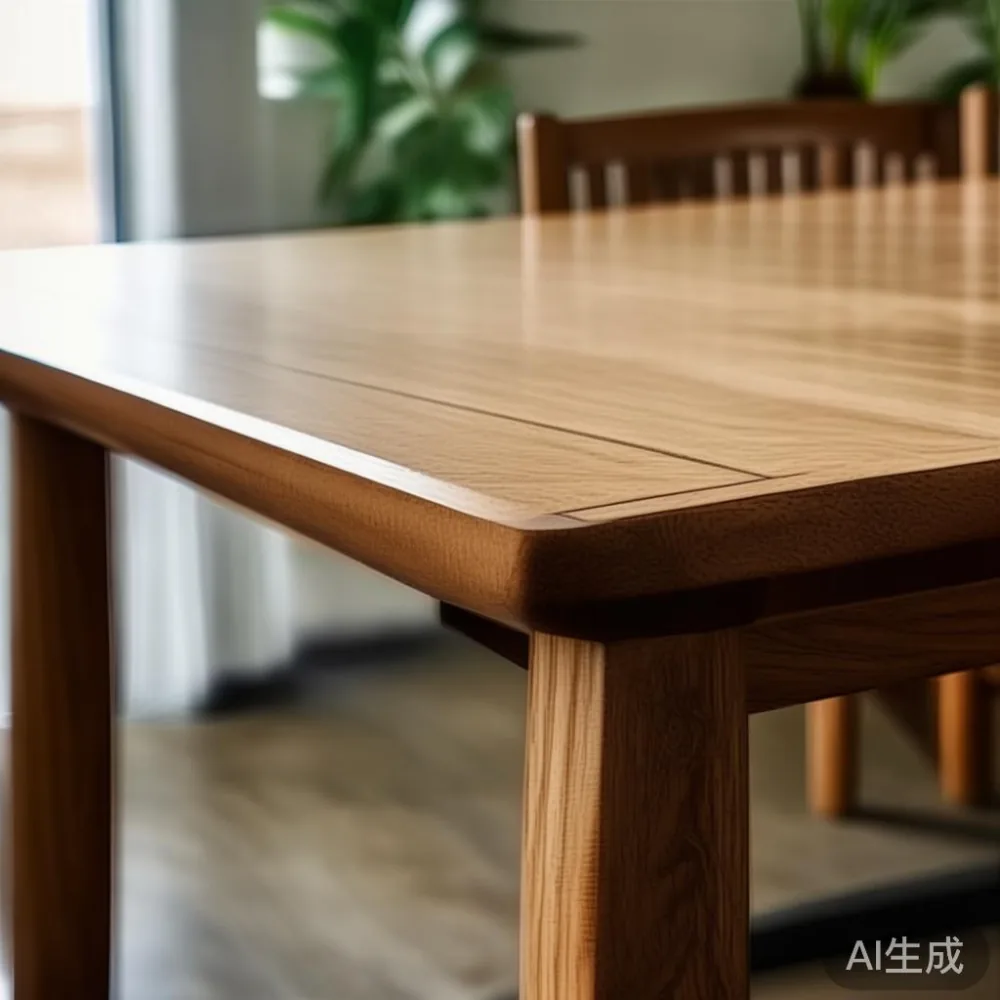
This guide explains how to care for lacquered dining tables, bed frames, wardrobes, nightstands, and other pieces in Singapore. It also considers the realities of HDB corridors, narrow lifts, GST, delivery schedules, and the way tropical conditions affect lacquer, veneer, and solid timber. MIDHILL makes lacquered pieces for homes across more than 15 countries, so its care guidance should be practical in a Singapore bedroom, dining area, and condominium living space.
Why does lacquer need special care in Singapore?
Lacquer is a clear or coloured coating applied over prepared timber. Compared with unfinished solid wood, it resists stains and everyday marks more readily, but heat, ultraviolet exposure, standing water, and alkaline cleaners can still affect it. A lacquered dining table should be kept away from radiators, air-conditioner vents, kettles, hot cooking pans, and windows that receive prolonged direct sunlight.
The ideal indoor range is about 18-29°C with relative humidity between 40% and 65%. Singapore frequently sits above 30°C, and monsoon periods can bring short periods of very high humidity. The air conditioner may dry the room sharply, especially overnight, so aim for balance rather than chasing one number. A hygrometer placed 1 m above the floor can help. If it records more than 70% for many hours, improve airflow and use the air conditioner in moderate cooling mode.
Humidity does not automatically ruin lacquer. Repeated wetting, trapped moisture, and condensation are more troublesome than one humid evening. Avoid wiping a surface with a soaking wet cloth, because moisture can enter scratches or seams. Dry the piece after spills, especially around an open window during a rain shower. A room without a stable boundary between outside and inside can develop a surface that feels tacky or develops a haze.
What should I use to clean a lacquered surface?
Use a soft, lint-free microfibre cloth, warm water, and a small amount of mild dishwashing liquid. Mix roughly 1 teaspoon, about 5 ml, into a bowl holding 500 ml of water. Wring the cloth until it is damp but not dripping. Test the solution on a hidden section, such as the underside of a nightstand or the rear edge of a bed frame, before cleaning the visible side.
Wipe in the direction of the grain or along the coating’s finish. Do not use scouring pads, steel wool, abrasive powders, bleach, ammonia, alcohol, furniture polish, or solvents. Although some commercial cleaners are suitable for lacquer, strong chemicals can soften the coating or leave a cloudy film. Avoid spraying cleaner directly onto the furniture; spray the cloth instead, then test it.
After cleaning, use a second barely damp cloth to remove residue, followed by a dry cloth. A lacquered dining table should be dry within 5 minutes. If a tea mark remains, do not rub it aggressively. Let the area dry and repeat the mild cleaning process. For a mark that persists, a furniture specialist can assess whether it is in the lacquer, the colour layer, or the timber below.
Spills should be treated without delay. Blot water, juice, coffee, and red wine rather than spreading them. Oily stains can be lifted gently with a clean cloth and a drop of mild detergent diluted in water. Never place a hot mug directly on the surface. Use a coaster with a base of at least 7 cm, and replace felt that has compressed or trapped grit.
The same method suits a solid wood sofa with lacquered timber details, a lacquered bed frame, or a lacquered wardrobe. On upholstery, avoid saturating the join between fabric and lacquer. For a marble table, use a separate pH-neutral stone cleaner because acidic liquids can etch marble even when the surrounding lacquer is sound.
How can I protect lacquer from heat, sunlight, and humidity?
Position lacquered furniture away from direct sun where possible. If a Tampines HDB unit has a dining table close to a window, sheer curtains can reduce ultraviolet exposure while preserving daylight. In a Punggol living room, keep the piece at least 30 cm from an open balcony door during heavy rain. In a Bedok condo with floor-to-ceiling glazing, UV film or blinds can be useful, particularly where furniture receives 3 or more hours of direct light each day.
Maintain airflow around the piece. Do not push a wardrobe tightly into a corner, or push a lacquered sideboard against a damp external wall. Leave 5-8 cm behind a freestanding unit when the manufacturer permits. For a bed frame, allow space beneath it for cleaning and avoid placing it where bedding traps moisture against the footboard for many hours.
Use protective pads beneath table legs and furniture feet. Felt should be checked every 6 months because tropical grit and dust can grind into it. Lift a dining table slightly when moving it rather than dragging it across tile. If two people are required, the larger piece is usually safer. A 180 cm dining table may weigh 45-70 kg depending on its timber and design; an 80-120 cm nightstand may weigh 12-25 kg.
Do not stack items on a lacquered wardrobe top if the load exceeds its shelf rating. Keep heavy objects low and distribute them evenly. For a lacquered solid wood sofa, avoid placing damp cushions against the finish. Air-conditioning ventilation should not point directly at a wardrobe door, bed frame, or dining table.
How often should I wipe lacquered furniture?
A light weekly wipe is usually enough for a dining table or nightstand in a normally occupied home. Vacuum upholstery and dust the lower sections monthly, paying attention to the area 5-15 cm above the floor. Wipe lacquered surfaces again after visible spills, condensation, or cooking haze. During periods of heavy monsoon rain, inspect windows, balcony doors, and nearby wall junctions for dampness once a week.
Do not clean every day with detergent. Repeated cleaning can leave a faint film if the cloth has not been rinsed properly. Use plain water for routine dust removal and diluted mild detergent only when needed. A dry cloth can often remove fingerprints better than a wet one.
For a lacquered bed frame, inspect the finish around the headboard and footboard every 3 months. Check a wardrobe every 6 months, especially near handles, hinges, and the bottom rail where damp air may settle. Inspect a dining table after each gathering for rings, water marks, and sticky residue. Record any change in reflection or texture, because early haze can be treated more gently than deep blistering.
Conditioning oil is usually unnecessary on lacquer. Applying furniture oil may make the surface slippery, attract dust, or soften the finish. Oil can be appropriate for an unfinished solid wood dining table, but that is a different care routine. If the lacquer has been sanded through, stop using household oils and obtain advice before applying a repair product.
Can scratches and dull patches be repaired without repainting?
Small superficial marks may improve with careful cleaning, while a deeper scratch often needs touch-up work. Keep fingernails and jewellery away from the area while investigating it. Use bright, indirect light and a magnifying glass to determine whether the mark is a coating scratch, a colour change, or a dent in the wood beneath.
Do not apply wax, toothpaste, cooking oil, or a solvent-based product at home. These remedies can change the sheen or make a repair more visible. A lacquered dining table with a deep mark may require local sanding and colour matching. A bed frame can sometimes be repaired at the joint or frame member, but a wardrobe with widespread haze may need a larger area treated consistently.
For premium pieces, a refinishing service can restore the original appearance while protecting the timber. MIDHILL offers lifetime refinishing on its furniture, subject to the service terms, so buyers can ask the supplier about lacquer colour, sheen, and expected repair methods. Keep photographs, the purchase receipt, and the original finish sample. Note the date of delivery as well, since records help a repairer reproduce the surface.
Light damage can take 1-3 hours to assess and longer to repair, depending on access and whether the part must be removed. Singapore delivery and service appointments should be planned around lift reservations. A corridor 90 cm wide may accommodate a narrow sideboard on its edge, while a 120 cm lift may require a wider piece to be disassembled. A 200 cm dining table cannot always turn safely in a compact HDB corridor, so measure the route before ordering a replacement or repair visit.
What should I check before choosing lacquered furniture in a Singapore home?
Ask for the finish type, cleaning instructions, expected sheen, and repair options before purchase. Lacquer quality varies, and a sample should be viewed in daylight rather than under showroom lighting. Ask whether the piece is solid wood, engineered wood, or lacquered veneer. The construction matters because a stable substrate helps the finish remain flat in changing humidity.
For a dining table, check the dimensions against the room and the route from the lift. A round 120 cm table may fit an 80 cm corridor more easily than a rectangular 200 cm table, although it still requires careful turning. Leave about 90 cm between the table edge and nearby furniture for chairs and service. A common dining zone allows 90-110 cm behind each seated place.
For a bed frame, measure the room, lift, and corridor before ordering. A queen bed frame may be 160-180 cm long, while a king frame may reach 190-210 cm. Check door openings and headboard clearance. For a wardrobe, leave room for doors to open at least 90° and allow ventilation behind the unit when installation instructions require it.
Price comparison should include GST, delivery, installation, and long-term care. A product listed at SGD 1,800 before GST becomes SGD 1,944 with 9% GST, while SGD 2,400 becomes SGD 2,616. A small difference in purchase price may be offset by delivery to an upper-floor unit, lift booking, assembly, or a replacement part. MIDHILL provides free shipping over US$350 for eligible orders; confirm the Singapore delivery quote and delivery days before payment. Standard delivery may take 7-14 days, while made-to-order pieces can require 30-60 days.
Design terms can help you compare options. A search for best Italian light luxury furniture may lead you towards polished timber and carefully matched finishes, while best French provincial furniture may point to softer, decorative profiles. If your budget is under 2000 Rustic furniture, lacquer is less typical than waxed or oiled timber, so confirm the actual finish before buying. For apartment planning, how to style European bed in apartment depends on clearance, mattress access, and the finish you can maintain.
Scandinavian furniture is often chosen for clean lines and restrained colour, but the word does not guarantee one specific coating. Ask whether the finish is gloss, satin, or matte. A satin lacquer may disguise fine hand marks, while a high-gloss finish shows fingerprints more clearly. In a warm, humid room, a satin surface can be easier to live with, although every finish needs protection.
For broader inspiration, best Mid-century modern furniture may include tapered legs and warm timber, and how to style light luxury sofa in room depends on scale and contrast. A solid wood sofa with a slim frame should sit comfortably in a compact HDB living room, not against a damp wall. A lacquered nightstand, dining table, bed frame, wardrobe, or marble table should all be measured against the actual space rather than selected only from a photograph.
What should I do if condensation forms on a lacquered surface?
Move coasters and cold drinks away from the furniture. If condensation has formed near an open window or air-conditioner vent, wipe it away with a clean, dry cloth. Keep the room at a moderate temperature and reduce rapid changes between cool air and warm outdoor air. Do not place a hot bowl or cup on the surface to dry it; that can create a sharp temperature change and damage the finish.
If haze appears after wiping, allow the area to dry for 2-4 hours in a ventilated, air-conditioned room. Do not apply polish while moisture remains. Persistent haze, blistering, or a sticky feeling may indicate finish failure or moisture trapped beneath the coating. Move books, trays, and runners away from the affected area and arrange an inspection.
In a high-rise home, check whether the air conditioner is leaking or whether an exterior wall is damp. A furniture issue can sometimes be a building issue. Keep plants at least 20 cm from lacquered surfaces if watering is frequent, and use a saucer beneath each pot. Avoid watering directly onto a dining table or nightstand.
For a delicate solid wood sofa or a lacquered bed frame in a Punggol bedroom, use a stable indoor environment and avoid placing the item against an exterior wall during wet weather. For a marble table, dry the stone separately from its lacquered edge. Cleanliness alone will not solve a leaking window; repairing the moisture source protects both the finish and the timber.
What is a practical care routine for a Singapore home?
Keep a microfibre cloth and coasters in the dining area, but store cleaning chemicals away from children and pets. Wipe lacquered surfaces weekly, dry spills immediately, and inspect for sun exposure every 3 months. Check furniture feet and coasters every 6 months. Keep the item away from damp walls and heat sources, and record any scratches before they become larger.
These habits suit a solid wood sofa, bed frame, dining table, wardrobe, or nightstand without demanding constant maintenance. Scandinavian furniture can age gracefully when the finish is protected, but tropical conditions deserve a deliberate routine. Use room-temperature water where possible, neutral cleaning products, and soft cloths. Avoid harsh chemicals and abrasive rubbing.
Before delivery, measure the lift, corridor, doorways, and turning space. Confirm whether assembly is included, how many people are needed, and whether the installer can protect floors. Singapore’s 9% GST should be shown clearly in the final quotation. A delivery fee of SGD 60 may be acceptable for a small order, but SGD 220 may be reasonable for a large wardrobe requiring upper-floor access and assembly.
For a new lacquered piece, allow the finish to acclimatise according to the maker’s instructions, usually for several days in an indoor environment. Do not place heavy objects on it during the first week unless the manufacturer says otherwise. Keep the surface free from direct sunlight and excessive humidity. If you are comparing options, inspect the samples at several times of day and ask for care support in writing.
Good care is mostly prevention. A coaster, a dry cloth, and a measured room can prevent more damage than an expensive repair. When buying, compare the finish and construction as carefully as the silhouette. MIDHILL’s 10-year structural warranty provides a useful starting point for long-term ownership, while lifetime refinishing can help preserve the appearance of suitable pieces. Confirm the warranty terms, finish limitations, and service arrangements for your specific lacquered product.