Matching Scandinavian Furniture to a Warm Minimal Interior: A Singapore Home Guide
Walking into a Tampines HDB flat last month, I watched a young couple argue politely about whether their new solid wood sofa looked too cold against the beige vinyl they had inherited from the previous owner. The room was clean, uncluttered, and bright, but it felt like a hotel lobby rather than a home. The problem was not the sofa or the flooring. The problem was that nothing in the room was actually warm. Warm minimalism is a quiet craft, and Scandinavian furniture is one of its most reliable tools. Below is a long, practical guide on how to make the match work in a 4-room HDB flat or a 1,200 sqft Punggol condo, with real numbers, real Singapore constraints, and real product categories you can order, lift up the lift, and push through a 900 mm-wide corridor.
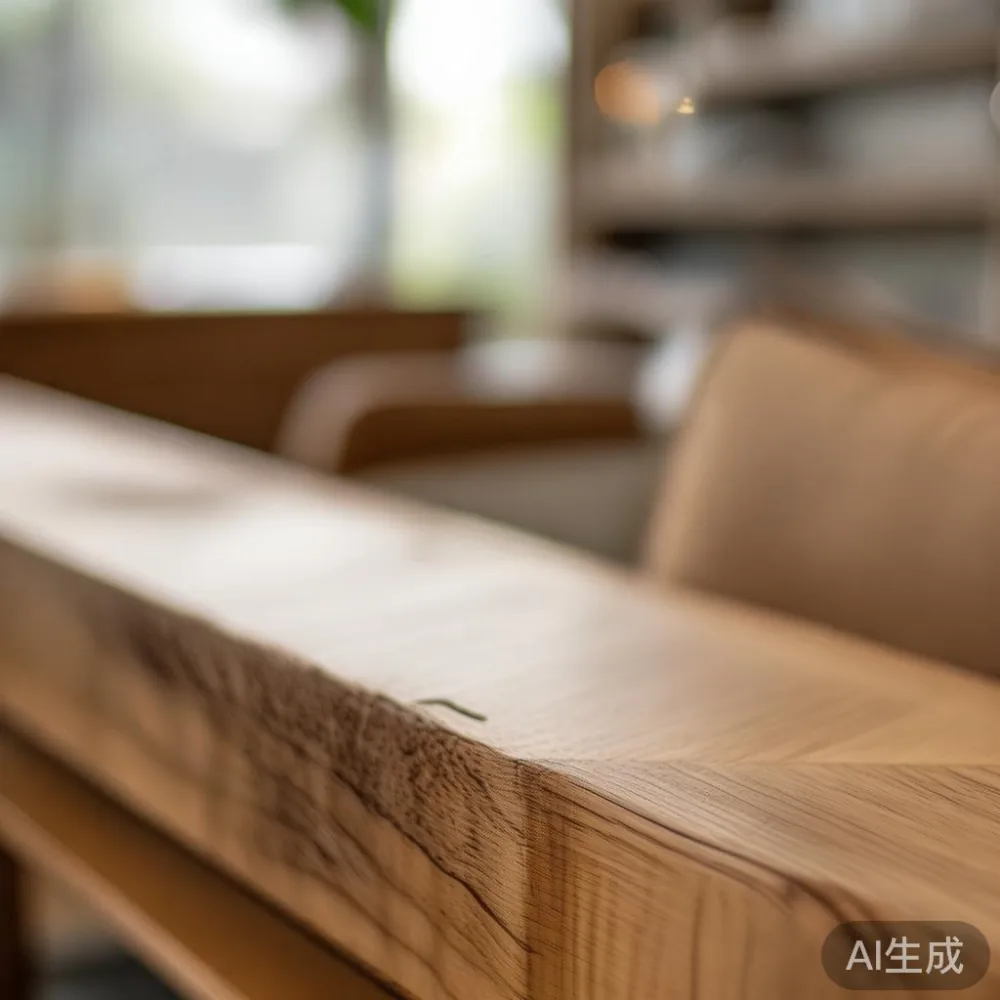
What does "warm minimal" actually mean for a HDB or condo in Singapore?
Warm minimal is not a colour and it is not a style. It is a discipline. You keep the number of objects low, you let air move between them, and you rely on natural texture, soft light, and a narrow palette of 3 to 5 tones to do the emotional work. In a typical Singapore home, the daylight is strong from about 8am to 6pm, then the room flips to artificial lighting for the rest of the day. Your furniture has to survive both modes without looking washed out at noon and dreary at night. Scandinavian furniture is a useful foundation because it is built around honest materials (oak, ash, beech, wool, linen) and simple geometry. When the geometry is simple, warmth can come from other layers: a brushed brass lamp, a hand-thrown vase, a 100% cotton throw in oatmeal.
Practical numbers for a 4-room HDB: a standard master bedroom is about 13 sqm, a living room runs 18 to 22 sqm, and the corridor door at the main entrance is usually 900 to 950 mm wide. Measure your lift opening too. Most HDB blocks run lifts with doors around 800 mm wide and 2,100 mm tall, while private condos in Punggol or Bedok often have wider lifts of 1,000 to 1,200 mm. If your piece cannot pass these checks, you either raise the back of the seat, drop the legs, or skip it.
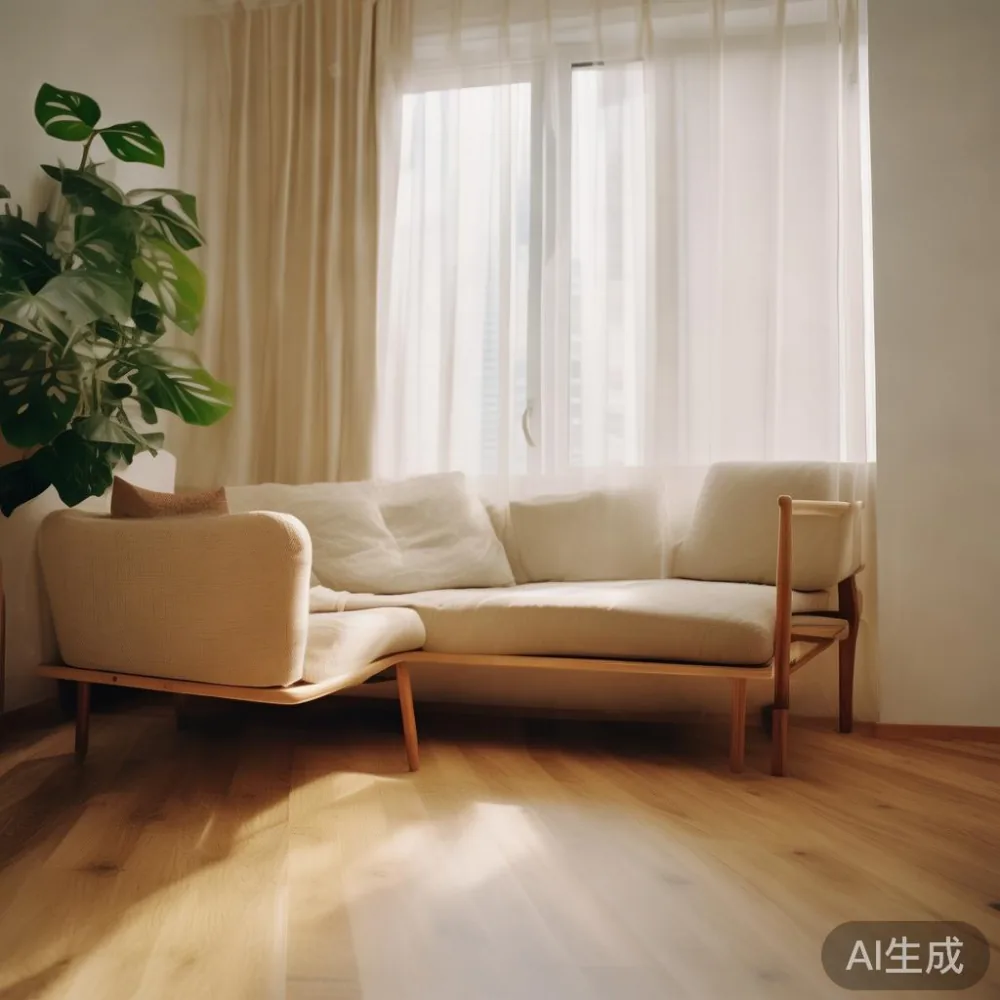
The core pieces: which Scandinavian furniture anchors a warm minimal room?
Begin with four anchors: a solid wood sofa frame (often with removable cushion covers), a bed frame in light oak or ash, a dining table that seats 4 to 6, and a wardrobe with flush fronts. Add a nightstand pair, a small marble table for the entryway, and you have a complete ground floor and bedroom. These are the same categories that a Foshan workshop like MIDHILL has shipped to buyers in more than fifteen countries, and they appear in almost every scandinavian furniture catalogue for a reason: they carry the room.
For the sofa, look for a frame in solid ash or rubberwood around 85 to 90 cm deep, with seat height at 42 to 45 cm. Cushions should be a mix of high-resilience foam wrapped in goose down or a down alternative, around 12 to 15 cm thick. A 2.2 m three-seater works in most HDB living rooms; a 2.6 m version suits a wider condo layout. For the bed frame, a queen at 152 by 203 cm and a king at 183 by 203 cm both fit standard Singapore mattresses, but check the headboard thickness: anything over 8 cm will eat into your nightstand space. The nightstand itself should be 45 to 55 cm wide and 50 to 55 cm tall so the mattress sits 5 to 8 cm above its top, which is the right ergonomic line for reaching a glass of water without strain.
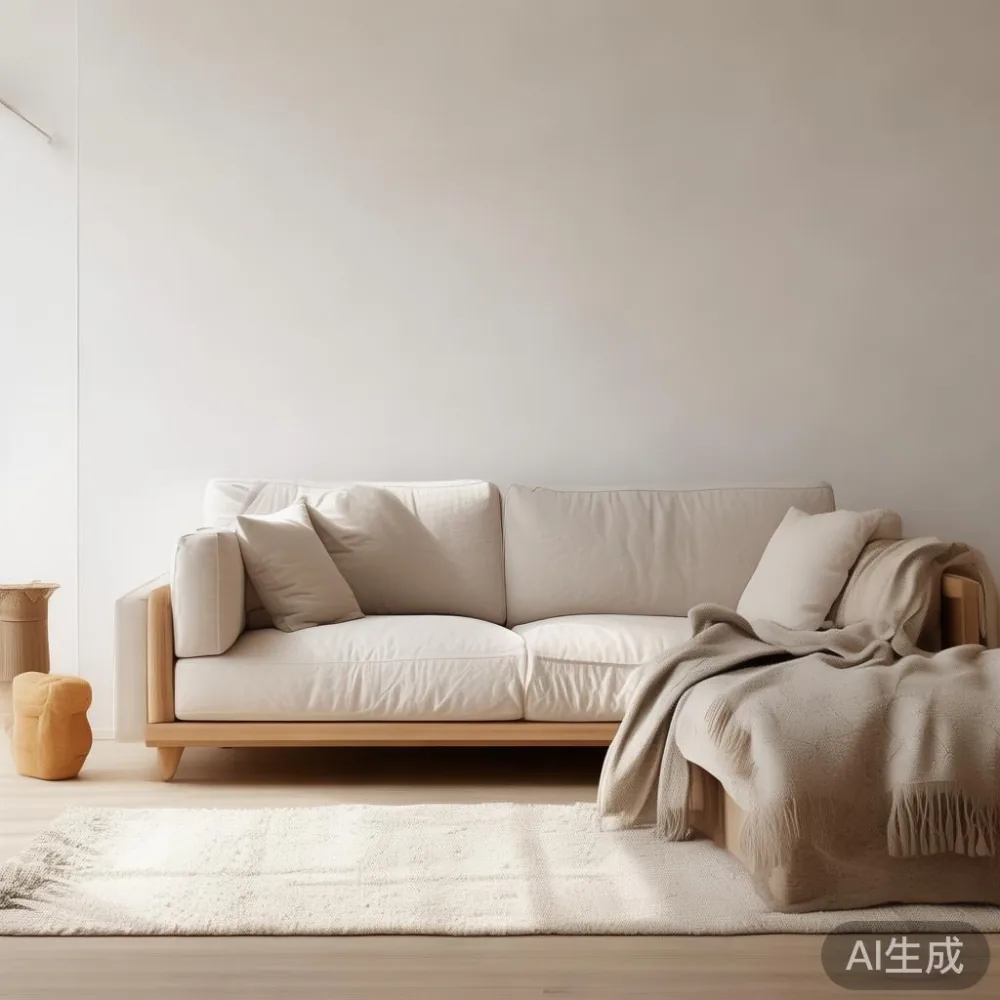
Which long-tail search phrases actually help when you shop for pieces like these?
Search engines reward long, specific phrases, and so do good sales consultants. If you only type "wardrobe" you get a confused feed of melamine, MDF, and sliding-door options. If you type how to choose light luxury wardrobe you immediately narrow into European soft-close hinges, 18 to 22 mm solid wood panels, and oil-rubbed or water-based matt finishes. Similarly, pairing 2026 with a vintage bed pulls up the warm retro shapes that are trending now; anyone looking for the best Vintage bed for 2026 will see low-platform ash frames, slim brass legs, and headboards in tan bouclé. A phrase like European for dining room steers you toward tables with tapered beech legs, rounded edges, and tops in 4 to 5 cm solid oak, which is exactly the silhouette that sits well in a Punggol condo dining area of 3 by 2 m. Two more phrases worth saving are Modern light luxury sideboard, which describes a low, long, handle-free credenza in white oak or grey-washed ash that doubles as a TV console, and how to choose Mid-century modern wardrobe, which points you to slim tapered legs, recessed pulls, and 2.1 m heights that fit Singapore ceiling drops.
What is "light luxury", and which version suits a Singapore home best?
Light luxury is a recent translation of a Chinese furniture category that has spread through Southeast Asia. It does not mean bling. It means restrained detailing, premium materials in small doses, and a quiet finish that reads as expensive at a glance. Three regional flavours appear in the Singapore market today, and they blend differently with warm minimal.
French light luxury leans on curved silhouettes, cabriole or fluted legs, and brushed champagne hardware. A French light luxury marble table with a 120 cm Carrara top and a brass-capped pedestal runs around SGD 1,850 to SGD 2,400 retail; a smaller 80 cm round version lands closer to SGD 1,100. It pairs well with warm minimal when the rest of the room is very plain, because the marble becomes the single focal point.
American light luxury uses chunkier volumes, deep-buttoned headboards, and walnut or dark-oak solids. A queen bed frame in this style with a 130 cm tall tufted headboard typically prices from SGD 1,600 to SGD 2,800. It can read heavy in a small HDB bedroom, so keep bedding and walls in cream or oat to balance the weight.
Post-modern light luxury plays with asymmetry, mixed metals, and high-gloss lacquers. It is easier to overdo in 16 sqm of master bedroom space. Use it for one piece only, often a console or a sideboard, and let the rest stay Scandinavian and matte.
If you are shopping with a total budget of under 2000 light luxury furniture, you typically have to pick one hero piece per room (a marble entry table, a velvet lounge chair, or a fluted sideboard) and keep the supporting frames in pure scandinavian furniture lines.
How do you keep a warm minimal room from feeling flat or showroom-like?
Three rules save the room: variation in height, variation in texture, and one honest imperfection per corner. Height variation means your eye travels. Put a low sofa (around 80 cm back height) with a taller floor lamp (165 to 175 cm), and a side table (55 cm) that lands between them. For the bedroom, the bed frame should sit around 95 to 110 cm at the headboard, the nightstand at 55 cm, and a slim picture rail at 180 cm from the floor. Texture variation means you mix linen curtains, a wool rug at 160 by 230 cm, a brushed cotton throw, and a single leather or rattan accent piece. The honest imperfection is what makes the room feel lived in: an uneven ceramic vase, a slightly charred wooden stool, a raw-edge oak chopping board leaning against the kitchen wall.
Colour discipline matters too. Most Singapore designers I have spoken to recommend a 60-30-10 split: 60% in a warm white (Benjamin Moore OC-17 or a similar SoftSnow shade that reads cream, not blue), 30% in a soft sand or oat, and 10% in a deeper tone like terracotta, tobacco, or charcoal. Avoid pure grey walls; they fight warm minimal and turn grey-blue under HDB fluorescent lighting. Instead, push grey onto the textile (a 2 by 3 m wool rug at around SGD 380 to SGD 520) and keep the wall creamy.
Do Scandinavian pieces actually survive Singapore humidity and lift logistics?
Yes, if you choose and treat them properly. Solid ash, oak, and beech handle Singapore's 70 to 85% humidity when the workshop has air-dried the timber for 6 to 9 months and kiln-dried it down to 8 to 12% moisture content. Plywood and MDF do better than people think when sealed on all sides, but edges and joints still need monitoring. A 10-year structural warranty on frames and joinery is common from serious makers; refinishing services, sometimes lifetime, are a separate line item that justifies itself over a decade of Singapore living.
Logistics are the part most buyers forget. Sea freight from mainland China to Singapore takes 18 to 28 days door-to-door for an HDB, plus 5 to 10 days for customs clearance during peak season (September to November). Air freight is faster but adds around SGD 280 to SGD 600 per cubic metre. Free shipping over US$350 (roughly SGD 480) tends to apply only to standard parcels under 1.5 cubic metres and under 80 kg. Above that, expect a Singapore delivery fee of SGD 60 to SGD 180, with lift-up to the floor adding SGD 25 per level above the second storey. A queen bed frame in solid wood typically weighs 55 to 75 kg, a dining table 40 to 60 kg, and a 4-door wardrobe 90 to 140 kg. None of those will fit a standard HDB lift unless they are partly disassembled and re-assembled in the bedroom, which is why the better brands (including names that work with factories such as Foshan Lingzhan in the broader Guangdong workshop district) offer white-glove assembly inside the room. Ask whether the price includes that assembly, because many do not.
What does a sensible piece-by-piece budget look like for one bedroom and one living area?
Use this as a working template. It assumes mid-to-upper scandinavian furniture quality, solid wood frames, and delivered-to-Singapore pricing inclusive of GST at 9% (a 1% increase from the previous rate takes effect from January 2025 and you should price it in).
Living area: a 2.2 m solid wood sofa at SGD 2,400 to SGD 3,800, a 1.6 by 0.9 m marble table (the entryway version) at SGD 1,100 to SGD 1,600, a Modern light luxury sideboard (1.8 to 2.2 m) at SGD 2,200 to SGD 3,400, a 160 by 230 cm wool rug at SGD 380 to SGD 520, a pair of floor lamps at SGD 220 each, and a 160 by 80 cm dining table for four at SGD 1,300 to SGD 2,200. The grand total lands between SGD 8,200 and SGD 12,200.
Bedroom: a queen bed frame at SGD 1,800 to SGD 3,200, two nightstands at SGD 450 to SGD 700 each, a 3-door or 4-door wardrobe at SGD 2,800 to SGD 4,800 (often the single biggest line), a dresser or chest of drawers at SGD 1,200 to SGD 2,000, and a 130 by 170 cm bench at the foot of the bed at SGD 600 to SGD 1,100. Bedroom total: SGD 7,300 to SGD 12,500.
Add a 14-day return window to your decision timeline: order, inspect, and if the grain or finish does not match your expectation, return within two weeks. Refunds for custom pieces can be slower, so confirm the cancellation window before paying the deposit.
How should you mix Scandinavian pieces with French or post-modern light-luxury accents?
A reliable ratio is 70% Scandinavian, 20% light luxury, 10% vintage or handmade. The Scandinavian base holds the room together in shape and tone. The light-luxury one or two pieces raise the perceived value without raising the noise level. The vintage piece keeps the room from reading like a catalogue.
In practice: a clean-lined oak bed frame (Scandinavian), an oatmeal linen duvet (Scandinavian), a low slung nightstand in ash (Scandinavian), paired with a single marble table from the French light luxury line in the corner and a brass-and-frosted-glass reading lamp on top of the nightstand. That lamp is your light-luxury moment. Everything else should stay matte and low-saturation. In the dining room, a Scandinavian oak table reads beautifully next to six bentwood or upholstered chairs; swap two of those chairs for a French light luxury armchair in tan leather and you instantly create a focal end.
Any final checks before you click "place order" from a Singapore address?
Run through this short checklist. First, measure every door, lift, and corridor from kerbside to final room position, and write the smallest number down. Second, confirm that the timber is solid on load-bearing parts (legs, rails, headboards) even if panels are veneered or plywood. Third, ask for the exact finish name: "water-based PU in 10% sheen" reads very different from "NC lacquer in 50% sheen" when the box arrives. Fourth, confirm the warranty is structural only, and that wear-and-tear refinishing is available separately. A workshop like MIDHILL pairs a 10-year structural warranty with optional lifetime refinishing, which is a useful combination for the humidity swing between Singapore's wet and dry seasons. Fifth, keep SGD 60 to SGD 180 aside for assembly and haul-up so the budget shock comes after the box arrives, not before. Sixth, retain at least 10% of the piece's value as a contingency for accessories, rugs, and lamps that always creep above the original plan.
Warm minimal is not about buying less. It is about buying fewer, better, slower. Scandinavian furniture gives you the bone structure, light luxury gives you the jewellery, and a single vintage or handmade piece gives you the soul. Get those three layers right and your Tampines or Punggol home will feel calm in the afternoon heat and gentle under the bedroom ceiling fan at midnight, which is, after all, the whole point of the style.