Wood and Water: Understanding Humidity's Impact on Your Scandinavian Furniture in Singapore
Living in Singapore, you're intimately familiar with the constant embrace of humidity. It’s in the air you breathe, the feeling on your skin after a morning shower, and the way the sky can transform from clear to a downpour in minutes. This perpetual moisture is a fact of life, and while it keeps our lush greenery thriving, it presents a unique challenge for the natural materials in our homes, particularly solid wood furniture. For those who appreciate the clean lines, organic forms, and honest craftsmanship of scandinavian furniture, understanding how this climate interacts with wood is key to preserving its beauty and longevity for years to come.
Why Does Humidity Affect Wood Furniture So Much?
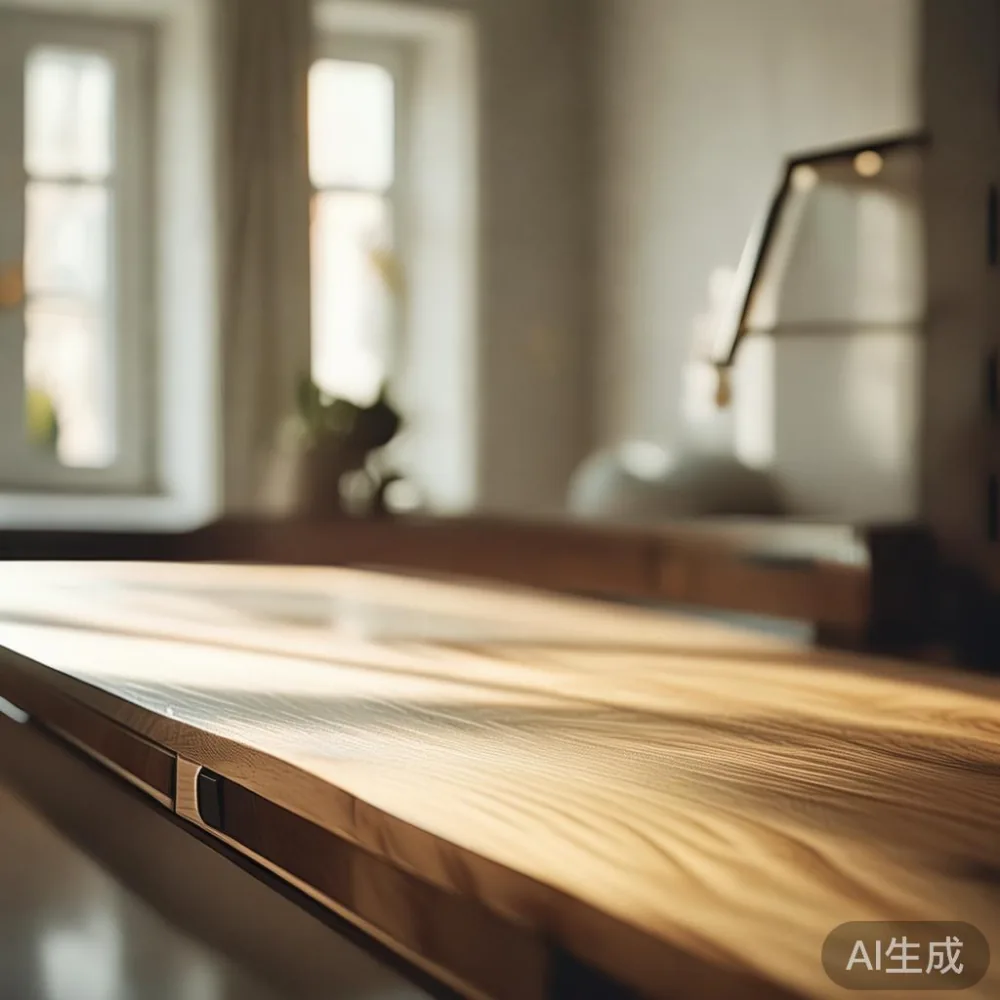
At its core, wood is a hygroscopic material. This scientific term simply means that wood naturally absorbs and releases moisture from the surrounding air. Think of it like a living sponge. In a high-humidity environment like Singapore, where relative humidity often hovers between 70% and 90%, wood readily absorbs moisture. This absorption causes the wood fibers to swell and expand. Conversely, in a drier climate, the wood releases moisture and contracts. This constant cycle of expansion and contraction is entirely natural, but in our specific conditions, it can lead to visible and structural changes if not managed properly.
When a solid wood dining table or a solid wood sofa is exposed to prolonged high humidity, the most common signs of stress are swelling, warping, and cracking. A tabletop that was once perfectly smooth might develop a slight cup or bow. Drawer fronts in a wardrobe might stick, becoming difficult to open and close. The joints connecting the legs to the frame of a bed can loosen as the wood expands. While these issues sound alarming, they are manageable with the right knowledge and furniture choices.
What Does High Humidity Look Like in a Singaporean Home?
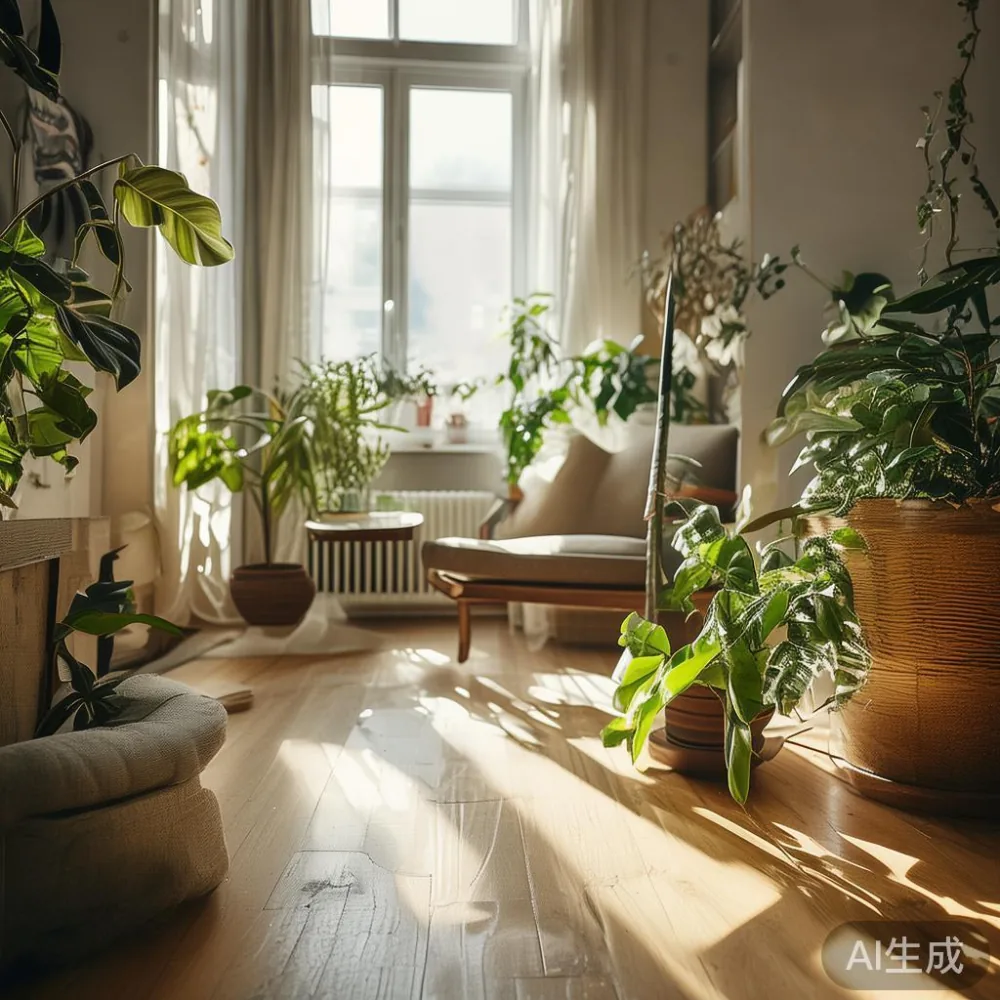
To understand the impact, we must first visualize the environment. Consider a typical 4-room HDB flat in a neighbourhood like Tampines or Punggol. The living room, often a multi-functional space, might house a solid wood dining table that seats six and a matching sofa set. The master bedroom features a queen-sized bed frame, a Mid-century modern dressing table, and a wardrobe. A second bedroom might serve as a guest room, furnished with a smaller bed and a nightstand. This is the stage where the humidity drama unfolds.
The challenge is amplified by the nature of our homes. While air-conditioning provides relief in living rooms and bedrooms, it's not always running. Common areas, corridors, and even bedrooms can experience significant temperature and humidity fluctuations. The materials of our homes play a role too. Concrete and tiled floors, common in Singapore apartments, do not absorb moisture, leaving the air feeling heavier. A lack of adequate cross-ventilation in many high-rise units traps humid air, creating microclimates where wood is constantly under stress.
Even the act of moving furniture can be affected. A narrow corridor or a small lift in an older condo might require careful maneuvering of a large piece. A wardrobe that is 180cm wide and 60cm deep might be a tight fit in a standard HDB corridor, which is often only about 120cm wide. Ensuring the piece can be delivered and placed without damage is a practical concern that humidity can complicate, as swollen wood might be more susceptible to impact or pressure.
How to Style a European Light Luxury Sofa in a Humid Room
Choosing the right furniture is the first line of defence. When selecting a solid wood sofa or any major piece, it's wise to consider the wood's inherent stability. Hardwoods like teak, oak, and walnut are excellent choices due to their dense grain and natural resistance to moisture-related movement. Teak, in particular, is prized for its high oil content, which acts as a natural barrier against humidity. This is a key reason why scandinavian furniture, often crafted from these durable hardwoods, is so well-suited for our climate.
Once you've chosen a stable piece, the question becomes how to style a European light luxury sofa in room? The goal is to create a balanced and harmonious environment that complements the furniture while managing the ambient climate. The light luxury aesthetic, whether French or American, emphasizes comfort, clean lines, and a sense of airy sophistication. For a sofa, this means pairing it with light-coloured, breathable fabrics like linen or cotton, which are less prone to trapping heat and moisture than synthetic materials.
Positioning is also critical. Avoid placing your sofa directly in front of an air-conditioning vent, as the constant, direct blast of cold, dry air can cause the wood on one side to contract excessively. Instead, aim for an indirect flow of air. Placing the sofa away from large, uncovered windows that let in direct sunlight and humid air is also beneficial. Using furniture coasters under the legs can help, as they create a small air pocket and prevent moisture from wicking up from the floor. These simple placement strategies can significantly reduce the stress on your sofa's frame.
Practical Care and Maintenance for Your Wooden Furniture
Proactive care is the most effective way to protect your investment. A regular cleaning routine is simple but effective. Use a soft, dry or slightly damp cloth to wipe down surfaces. For a deeper clean, a specialized wood polish or a mixture of mild soap and water can be used, but it's important to wipe the surface completely dry afterward. Never let water or cleaning solutions sit on the wood, as this can lead to water stains and promote swelling.
One of the most powerful tools in your arsenal is the dehumidifier. In a city-state like Singapore, where the humidity is a constant, running a dehumidifier, especially in bedrooms and storage areas, can make a world of difference. It actively pulls moisture from the air, creating a more stable environment for your furniture. A good dehumidifier can reduce the relative humidity to a more comfortable 50-60%, which is ideal for wood. This is a small investment that pays dividends in preserving the life of your solid wood bed frame, wardrobe, and other pieces.
Last month, I visited a client's apartment in Bedok. She had recently purchased a beautiful marble table with a solid oak base from a local retailer. She was concerned about the table top, but the real issue was the base. The oak legs had begun to cup and warp noticeably. Upon inspection, I found that the unit had no cross-ventilation and the air-conditioner was rarely used. The problem wasn't the marble; it was the unstable environment for the wood. We recommended a dehumidifier and a consistent cleaning routine. A month later, the warping had stabilized, proving that simple, consistent actions can prevent significant damage.
What About the Warranty and Long-Term Value?
When investing in quality furniture, especially for a demanding climate, the warranty and the manufacturer's commitment are paramount. This is where a company's policies speak volumes. A reputable manufacturer understands the challenges of the environment and stands behind their product. For instance, a 10-year structural warranty is a strong indicator of confidence in the furniture's construction and the materials used. It promises that the core frame and joints will remain sound, protecting you from defects that could be exacerbated by humidity.
Equally important is the offer of lifetime refinishing. Wood is a natural material that can be restored. Over time, even the best-maintained furniture might show signs of wear, a change in colour, or minor surface imperfections. A lifetime refinishing service means that instead of replacing a piece, it can be professionally sanded, re-stained, and resealed, bringing it back to its original condition. This is a sustainable approach that extends the life of your furniture, saving you money and reducing waste. It reflects a deep respect for the material and the craftsmanship involved.
For those looking to furnish a guest room, the search for the perfect piece can be daunting. You might be looking for something elegant yet understated, a French for guest room feel that offers comfort without overwhelming the space. A well-made solid wood wardrobe or a simple nightstand from a brand that offers these long-term assurances provides peace of mind. Knowing that the piece is backed by a decade of structural protection and can be refinished for life means you can enjoy its beauty without worrying about the long-term effects of our humidity.
How to Style a European Light Luxury Wardrobe in an Apartment?
A wardrobe is a substantial piece of furniture that often takes up an entire wall in a bedroom. In a Singapore apartment, space is at a premium, so choosing the right one is about both style and function. When how to style European light luxury wardrobe in apartment, the focus is on clean lines, subtle hardware, and an sense of lightness. A wardrobe with a matte finish, perhaps in a light oak or painted white, can brighten a room and make it feel more spacious, which is a key principle for Minimalist for small living room design.
Functionally, look for wardrobes with interior systems that are well-designed. Soft-close hinges and drawers are not just a luxury; they prevent slamming, which can loosen joints over time. Ensure the interior shelves and hanging rods are sturdy. Solid wood construction means the frame will resist warping, keeping the doors aligned and the interior space usable. A wardrobe from a brand like midhillco, which focuses on solid wood craftsmanship, would be a fitting choice for creating this elegant, functional space.
Placement is key. Avoid placing the wardrobe against an external wall if possible, as these walls can be cooler and damper. If that's the only option, ensure there's a small gap between the wardrobe and the wall to allow for air circulation. This prevents moisture from getting trapped behind the piece, which can lead to mould growth and damage to the back panel. By thoughtfully styling and positioning your wardrobe, you not only enhance the aesthetic of your bedroom but also protect the furniture from the very humidity it's designed to withstand.
Is Solid Wood Furniture a Good Investment for Singapore's Climate?
Given the challenges, a valid question is whether investing in solid wood furniture is a wise decision in Singapore. The answer is a resounding yes, but with the right approach. Solid wood furniture is an investment in quality, durability, and timeless design. Unlike mass-produced, flat-pack furniture made from particleboard or MDF, which can swell, warp, and disintegrate in high humidity, solid wood is built to last. Its natural beauty only deepens with age, developing a rich patina that tells a story.
The key is to view it as a long-term investment. The initial cost of a solid wood dining table or bed frame is higher, but when you factor in its lifespan—decades, not years—and the potential for refinishing, the cost-per-year becomes very reasonable. A quality piece that you love and that withstands the test of time is far more economical than replacing cheaper furniture every few years. Also, the value of a home is often reflected in the quality of its furnishings. A well-appointed space with beautiful, durable furniture is more enjoyable to live in and can be a point of pride.
When shopping, consider the total value proposition. A company that offers free shipping on orders over SGD 350 and a 14-day return policy makes the purchasing process low-risk. You can have the furniture delivered to your door in Tampines or Punggol without worrying about hefty delivery fees. If a piece doesn't meet your expectations, you have a reasonable window to return it. This level of customer service, combined with a strong warranty, makes investing in solid wood a much more secure and appealing proposition. It allows you to bring home a piece of top 10 Nordic furniture with confidence, knowing it's built to endure the unique character of your Singaporean home.