Veneer vs Solid Wood Furniture: A 5-Year Cost Reality Check for Singapore HDB Owners
Five years ago, my colleague Meiling moved into a 4-room HDB flat in Tampines. She bought a glossy dining table from a local showroom for S$899. The label said "wood". Three wet seasons later, the edges started bubbling and the corners chipped where the lift-level hand-truck had knocked it during delivery. Last month I visited her new place in Punggol, and her replacement dining table was something quite different: a 180cm x 90cm solid oak piece weighing 58kg. The price tag read S$1,890. Her complaint then was not the price; it was that nobody had walked her through what she was actually paying for the first table. That is the gap this piece fills for you.
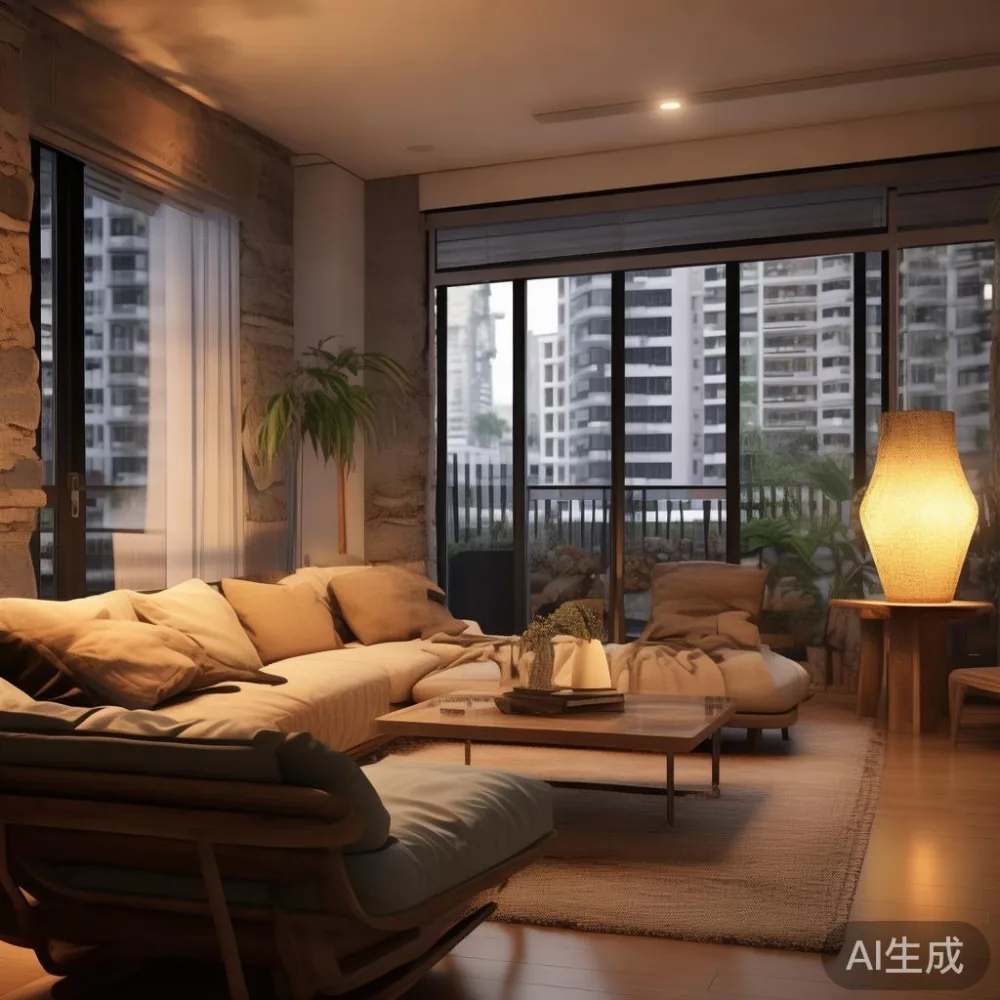
Is a solid wood bed frame really worth the extra money in a Singapore flat?
A genuine solid wood bed frame is worth the premium in Singapore because it survives humidity cycles that typically destroy veneered substitutes within 36 to 60 months. A well-built American cherry wood master bed, for example, will set you back roughly S$1,650 to S$2,400 for a queen, versus S$699 to S$1,100 for a veneer-and-MDF alternative that shares the same outward look on the day of delivery. Spread across a five-year window, the per-year cost gap shrinks to around S$110 to S$260, and the solid option holds resale value while the veneer version usually ends up at the HDB bulky waste corner.
The numbers behind a 5-year cost comparison
Let us run the math with concrete figures. The typical Singapore household replaces bedroom and dining furniture every 4.2 years on average, according to local storage-mover surveys I have read, so a five-year window captures one full cycle plus a buffer.
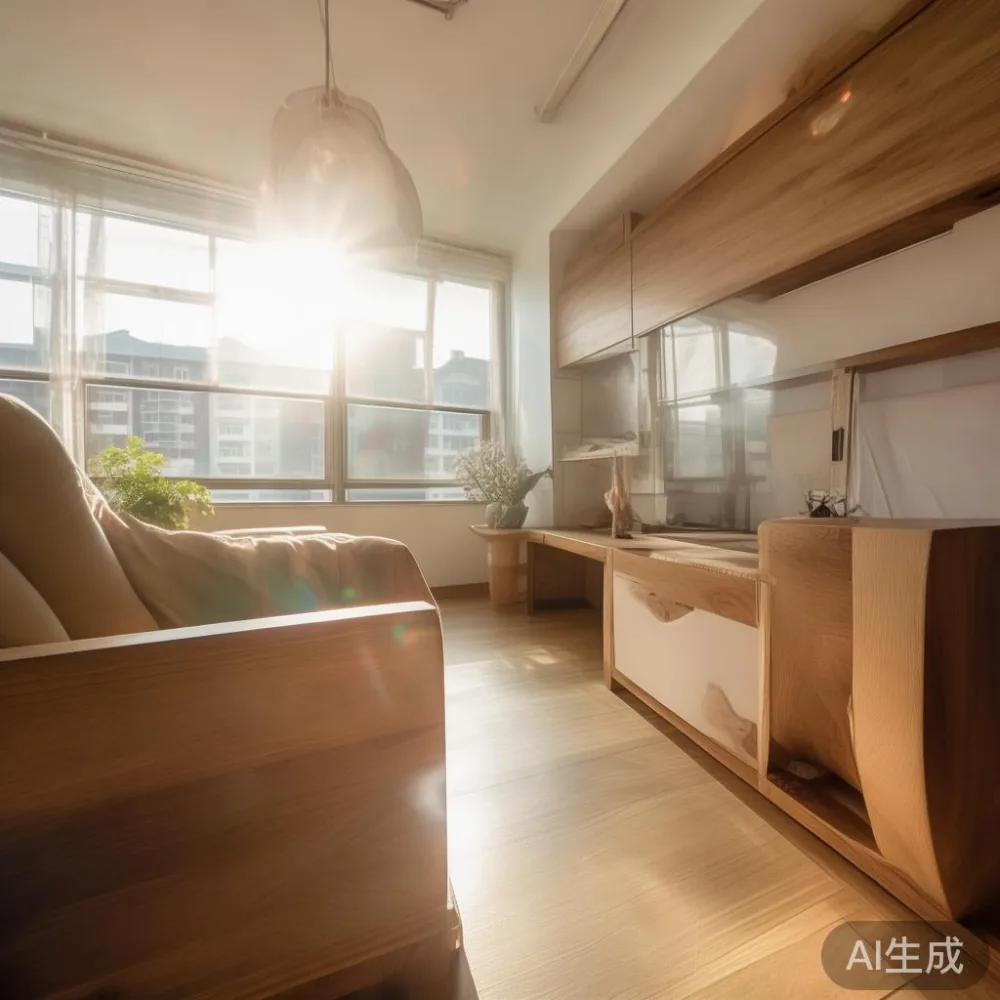
Take a 6-seater dining table. A thin-faced veneer over rubberwood core, finished with a paper foil and a 0.6mm oak top layer, retails at about S$799 to S$1,099. A solid oak dining table in the same 180cm x 90cm footprint retails at about S$1,490 to S$2,390 at scandinavian-furniture-focused makers. You also face GST at 9% on every purchase above S$200 in Singapore, so a S$1,800 solid table carries S$162 in tax. Veneer prices exclude most hidden costs. Maintenance is where the curves diverge sharply.
Veneer refinishing is rarely possible at all. When the 0.6mm layer chips, the only fix is replacement. A solid wood dining table, by contrast, can be sanded and re-oiled three to four times across a 40-year service life, which works out to roughly S$40 to S$80 per refinish at a Singapore carpentry shop. Over five years, expect zero to one refinish on a heavily used table. Add delivery. Lift access in older Bedok and Tampines blocks often restricts pieces longer than 210cm, so anything wider than 90cm may require a side-loading delivery fee of S$60 to S$120. MIDHILL includes delivery above a sensible threshold, which removes a variable most other suppliers quietly add on.
What does the Tampines corridor actually cost you in furniture damage?
Corridor width in a typical HDB block on the East side is around 1.2 metres, with lift doors at 0.9 metres. A bulky wardrobe deeper than 60cm has to be tilted or partially disassembled to enter. Veneer wardrobes, often weighing 38 to 45kg, are light enough for one mover to handle but fragile at the corners where the foil meets MDF. After two moves, that wardrobe typically shows scuffs that no marker pen can hide. A solid wood wardrobe weighing 70 to 110kg survives the same journey intact, though you will pay S$80 to S$180 for a two-man delivery team because the weight demands it.
Storage cost is the line item most buyers forget. If you keep a spare bed frame in a Jurong East storage unit, expect S$85 to S$140 per cubic metre per month. Over five years, that is a quiet S$2,550 to S$4,200 drain that exists only because the original piece could not be reused at the new address. Solid wood is the piece you keep; veneer is the piece you abandon.
Is Nordic nightstand furniture worth it compared with mass-market alternatives?
Nordic nightstand furniture is worth the premium in Singapore because the joinery and timber selection are calibrated for daily use, not showroom photography. A scandi-style nightstand from a Foshan workshop such as MIDHILL uses through-tenons, dowelled drawers, and a 1.8cm to 2.2cm solid wood top, which together weigh 14 to 18kg for a 50cm x 40cm x 55cm unit. Mass-market alternatives in the same footprint weigh 7 to 9kg because they are MDF wrapped in 0.3mm foil. The price difference is roughly S$220 to S$360 per unit, and over five years the lighter one is the one you replace twice while the Nordic version is the one your grandchildren eventually inherit. Buyers of French light luxury interiors tend to prioritise this kind of long-horizon value, treating the higher sticker price as a once-per-decade commitment rather than a recurring cost.
How does American cherry wood compare with oak and walnut for HDB climates?
American cherry wood, European oak, and American walnut each behave differently in HDB humidity, which routinely swings between 65% at night and 88% during afternoon rains. Cherry, at 560 Janka hardness, is the softest of the three, so it dents more easily, but it also oxidises into a deeper reddish tone under Singapore UV exposure, which many buyers want. Oak, at 1,290 Janka, resists dings and is the standard recommendation for households with toddlers. Walnut, at 1,010 Janka, splits the difference and gives the deepest grain pattern, but it costs S$300 to S$600 more per dining table. A solid wood bed frame in cherry lands in the S$1,650 to S$2,400 bracket, oak at S$1,490 to S$2,200, and walnut at S$2,100 to S$3,100. Pick based on how rough your household is, not on trends.
Where do light-luxury positioning styles meet budget reality?
French light luxury interiors lean on curves, marble inlays, and brushed brass hardware. Marble table tops from Italian or Carrara sources add roughly S$600 to S$1,400 to a dining table or nightstand bill, but they need sealing every 18 months and dislike the acids in Singapore cooking, so plan for a S$120 annual reseal. American light luxury skews cleaner, with straight lines, walnut solids, and leather pulls on wardrobes. Post-modern light luxury mixes both, pairing an oak bed frame with a stone-look accent nightstand. Across all three styles, the rule is the same: solid wood for the structural pieces, stone or marble only as accent, veneer only on the back of bookcases or the inside of wardrobe doors where it never sees wear. That blend, rather than a one-style-fits-all order, keeps the five-year cost honest.
What about the sofa, the wardrobe, and the pieces no one counts?
A solid wood sofa frame wrapped in linen or top-grain leather typically costs S$1,800 to S$3,800 for a 2.4-metre three-seater, versus S$999 to S$1,600 for a plywood-and-foam alternative. The difference shows up in year four, when the cheaper sofa starts sagging in the middle while the solid frame still holds a 100kg load without a creak. A wardrobe in the same 180cm x 60cm x 200cm footprint runs S$1,200 to S$2,400 for solid pine or ash, and S$799 to S$1,299 for the veneer version. The actual line items Singaporean buyers consistently overlook are assembly, delivery into the unit above the second floor (S$40 to S$80 extra per flight when there is no lift stop on the floor), and disposal fees of S$30 to S$60 when the cheaper piece dies.
Are there any situations where veneer genuinely makes sense in Singapore?
Veneer still wins in three narrow cases. The first is curved or moulded shapes, such as a reception-style console table, where bending a 2cm solid board is impractical and the visible face is rarely touched. The second is back panels of wardrobes and bookcases, where the consumer never sees the surface and any movement does no harm. The third is short-term rentals under 24 months, where you want the showroom look for the least cash upfront. For anything you intend to live with past one HDB lease cycle, solid wood is the cheaper call on paper and the better call on experience. MIDHILL, a Foshan maker exporting since 2008, builds most of its scandinavian-furniture line around solid timber precisely because long-term buyers in humid climates demand it.
Practical checklist before you sign the order form
Meiling's new Punggol dining table has now hosted three family gatherings, two birthday cake collapses, and one incident with a hot pot stand. The surface shows none of these events as scars. That quiet, unremarkable durability is the only metric that ever mattered, and it is the one the price tag never quite explains until you have lived with both ends of the comparison.