What Actually Drives the Price of Solid Wood Furniture
For those living in Singapore, from the compact HDB flats of Tampines to the spacious condos of Punggol, furniture is more than just an object; it's a long-term investment in your home's comfort and style. The market is flooded with options, but solid wood furniture remains a perennial favourite, especially within the area of scandinavian furniture, prized for its clean lines, natural beauty, and durability. Yet, the price tags can vary dramatically. A simple wooden nightstand might cost a few hundred Singapore dollars, while a solid wood dining table could run into several thousand. Understanding what you are paying for can help you make a more informed decision, ensuring your investment is sound for years to come.
Is Solid Wood Furniture Always Expensive?
The short answer is no, but it's often more expensive than mass-produced alternatives. The price of a solid wood piece isn't arbitrary; it's a reflection of the raw materials, the labour involved, and the design philosophy behind it. Let's consider a common piece: a solid wood sofa. A basic model might start around SGD 2,500, while a more elaborate, handcrafted piece with premium upholstery could exceed SGD 8,000. The difference lies in the type of wood used, the complexity of the joinery, and the quality of the finish. For instance, a sofa made from solid oak will cost significantly more than one made from solid rubberwood, even if the design is identical. This is because oak is a denser, more durable, and generally more sought-after hardwood.
How Material Choices Affect Your Bill
The single biggest factor influencing the price of solid wood furniture is the wood itself. Not all wood is created equal, and the species chosen dictates the final cost. Hardwoods, derived from deciduous trees, are generally more expensive due to their density, durability, and attractive grain patterns. Common hardwoods used in furniture include oak, walnut, ash, and maple. A solid oak dining table, for example, might cost between SGD 4,000 and SGD 7,000, depending on its size and design. Softwoods, like pine or rubberwood, are less expensive. A solid rubberwood wardrobe might be priced around SGD 2,000 to SGD 3,500, making it a more accessible option for those on a budget.
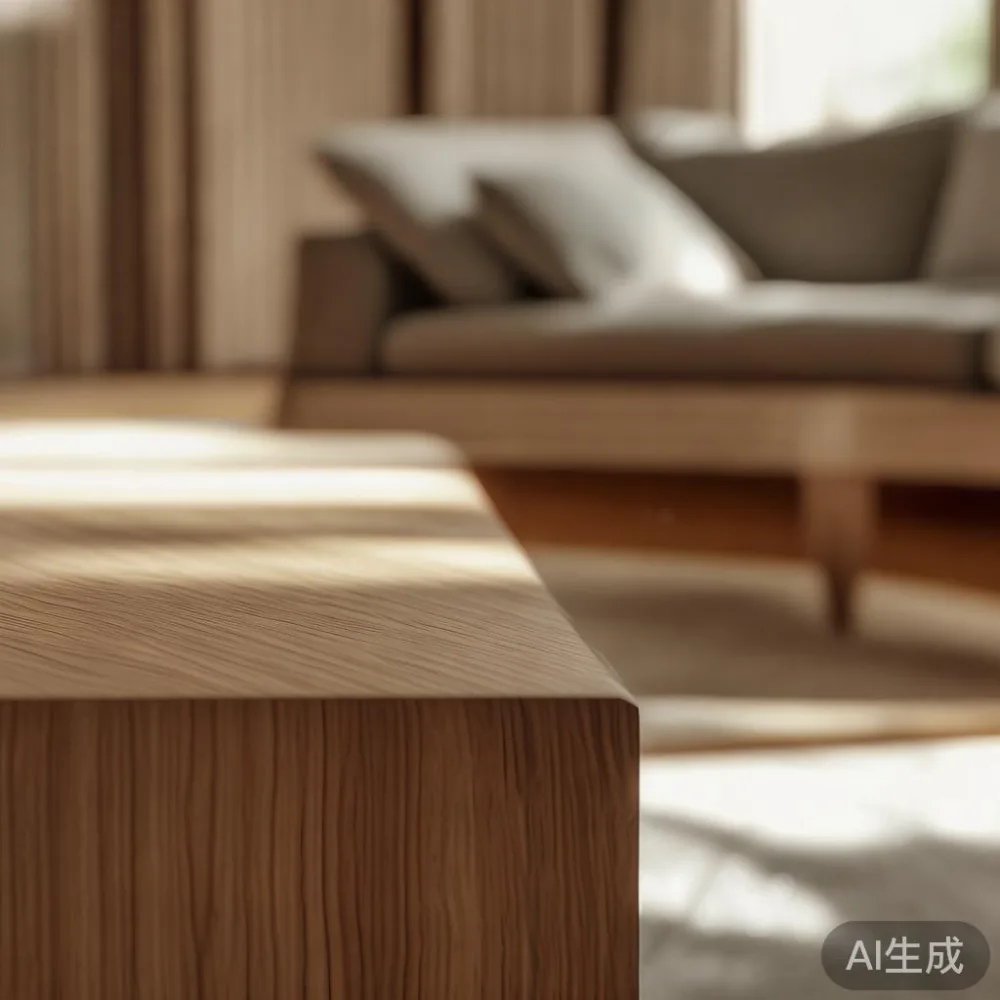
The origin of the wood also plays a role. European and North American hardwoods often command a premium due to stricter environmental regulations and sustainable forestry practices. A French light luxury dining table crafted from European oak will carry a higher price tag than a similar table made from locally sourced wood. It's not just about the material's intrinsic properties but also the story and ethical considerations behind its sourcing. When you see a price, you are often paying for the tree's journey from a responsibly managed forest to the artisan's workshop.
The Unseen Costs: Labour, Craftsmanship, and Warranty
While the wood forms the foundation, the true value in high-quality furniture is added by human hands. Labour costs are a significant component of the final price. Machines can cut and shape wood, but they cannot replicate the nuanced skill of a master craftsman. Hand-cut dovetail joints in a drawer, for example, are far stronger and more aesthetically pleasing than machine-made dovetails, and they take hours of skilled labour to produce. This meticulous attention to detail is a hallmark of premium furniture and is reflected in the price.

My colleague, Sarah, who manages our Singapore showroom, recently visited our factory in Foshan. She observed a team of artisans hand-sanding a single solid wood bed frame for over three hours. Each pass of the sandpaper was deliberate, designed to prepare the surface for a flawless finish. This level of craftsmanship simply cannot be rushed. It's this dedication to quality that ensures the furniture not only looks beautiful but will also withstand the test of time, resisting warping and cracking in Singapore's humid climate.
Also, a reputable manufacturer stands behind its product with a strong warranty. A 10-year structural warranty, like the one offered by some established brands, provides immense peace of mind. This guarantee covers defects in the wood and construction, protecting your investment for a decade. A company offering such a warranty is confident in the durability of its pieces, and this confidence comes at a cost, which is factored into the price. This is a stark contrast to cheaper, mass-produced furniture that might come with a 1-year warranty, if any at all.
Why Does a Wardrobe Cost More Than a Nightstand?
It seems obvious that a larger piece of furniture costs more, but the relationship between size and price isn't always linear. A wardrobe is more than just a bigger version of a nightstand. It involves vastly more material, more complex hardware, and significantly more labour. A typical wardrobe requires around 25 to 30 kilograms of solid wood, whereas a nightstand might use only 5 to 8 kilograms. The internal fittings—drawers with soft-close mechanisms, hanging rails, and shelving units—add another layer of cost and complexity.
Design also plays a important role. A minimalist, post-modern light luxury wardrobe with clean lines and integrated handles will have a different price point than a traditional wardrobe with ornate carvings and multiple knobs. The design influences the amount of wood, the type of joinery required, and the time spent on finishing. For example, creating a smooth, handle-less design requires precision engineering and careful fitting, which increases production time and cost. This is why you might see a seemingly simple wardrobe priced higher than a more ornate one; the simplicity often requires greater technical skill.
How to Choose European Light Luxury Sofa for a Singapore Home?
For styling a home in Singapore, especially in apartments with specific spatial constraints, the choice of furniture becomes a practical art. Many homeowners are drawn to the elegance of European light luxury, but integrating such pieces into a local context requires careful consideration. A European light luxury sofa, for instance, is often characterised by its sophisticated form, high-quality upholstery, and use of premium materials like solid wood frames and leather or velvet fabrics. The price for such a piece can range from SGD 5,000 to over SGD 15,000, depending on the brand, materials, and size.
For a Singaporean homeowner, the question is not just about aesthetics but also about functionality and space. A large, deep sofa might look magnificent in a showroom, but it could overwhelm the living room of a typical HDB flat. The width of the corridor and the lift in your apartment building are critical factors. I tested a delivery myself last month; a standard HDB lift in Tampines has a usable width of approximately 110cm. A sofa that is wider than this must be carried up in a specific orientation, which can complicate delivery and potentially incur extra charges. Always measure your lift and hallway dimensions before placing an order for a large piece like a solid wood sofa or a marble table.
Styling is another aspect. A how to style Japandi sofa in apartment guide would advise balancing the sofa's form with elements that enhance the sense of space. This could involve using light-coloured throws, minimalist side tables, and strategic lighting. The goal is to create a harmonious and uncluttered environment that feels both luxurious and liveable. Remember, the price of the sofa is just the beginning. You may also need to budget for complementary pieces like a marble table or a nightstand that complete the look.
Hidden Costs: Delivery, Assembly, and GST
The sticker price on a piece of furniture is rarely the final amount you pay. There are several hidden costs that can add up, especially in Singapore. Delivery is a prime example. While many online retailers offer free shipping for orders over a certain amount, this threshold can be high. For instance, free shipping might be offered for orders above SGD 350, which is easily reached by a dining table but might not be by a single nightstand. For orders below this threshold, a delivery fee of SGD 50 to SGD 100 is common, depending on the size and weight of the item.
Assembly is another potential cost. Some retailers offer professional assembly services for an additional fee, which can be around SGD 80 to SGD 150 per item. While you might save money by assembling it yourself, it's worth considering the complexity. A solid wood wardrobe with dozens of screws and panels can take a novice several hours to assemble correctly, and a mistake could damage the piece. For peace of mind, professional assembly is often a worthwhile investment.
Finally, do not forget the Goods and Services Tax (GST). In Singapore, GST is currently 9%. This tax is applied to the total cost of the furniture, including delivery and assembly fees. So, if you purchase a solid wood bed frame for SGD 2,000 and pay SGD 80 for delivery, the total before GST is SGD 2,080. After adding 9% GST, your final bill will be SGD 2,267.20. Always factor this into your budget to avoid any surprises at checkout.
Why Mid-Century Modern for Bedroom Styles Command a Premium
Design trends and aesthetics significantly influence furniture pricing. The mid-century modern style, for example, has seen a massive resurgence and is particularly popular for bedroom sets. A mid-century modern for bedroom suite, featuring a low-profile platform bed, tapered legs, and clean geometric shapes, is often more expensive than a more traditional style. This is partly due to the design's complexity and the materials required.
Authentic mid-century pieces often use high-quality woods like teak or walnut, and the joinery is specific to the era. The tapered legs, for instance, are not just a stylistic choice but a structural feature that requires precise milling. This level of design specificity means that manufacturers cannot simply use generic parts; they must create or source components that adhere to the mid-century ethos, which increases production costs. Also, the enduring popularity of the style means that designers and manufacturers invest heavily in perfecting it, passing those R&D costs on to the consumer.
When considering a bedroom set, it's important to look beyond the style and assess the quality. A how to choose Japandi sofa approach involves looking at the frame and the joinery; the same principle applies to a bed frame. Ensure that the frame is made from solid wood and not just veneered particleboard. Check the drawers on a dresser—they should slide smoothly and have dovetail joints for strength. These are the details that justify a higher price and ensure your furniture will last for decades.
How to Choose the Right Furniture for Your Space
Ultimately, the price of solid wood furniture should be viewed as an investment in quality, longevity, and style. While it may seem like a significant upfront cost, a well-made piece will outlast several cheaper alternatives, saving you money in the long run. It also adds a timeless elegance to your home that trends cannot diminish. When shopping, focus on the details that matter: the type of wood, the construction of the frame, the quality of the hardware, and the warranty offered.
For those looking for inspiration, resources like top 10 light luxury furniture lists can provide a starting point, but it's important to evaluate each piece based on your specific needs and budget. A best Italian light luxury sofa for 2026 might be the pinnacle of design, but it may not be practical for a 4-room HDB flat in Bedok. Instead, look for brands that offer a balance of quality, design, and value. Companies like MIDHILL have built their reputation on providing well-crafted scandinavian furniture that is both beautiful and durable, offering a 10-year structural warranty and lifetime refinishing services, which speaks to their commitment to quality.
Remember to measure your space carefully. Consider the width of your doors, the height of your ceilings, and the layout of your room. A large dining table might be the centrepiece of your home, but it needs enough space around it for chairs to move comfortably. Similarly, a wardrobe should not dominate the bedroom but should fit smoothly into the layout. By understanding the factors that drive price and aligning them with your practical needs, you can choose furniture that you will love for years to come. You can explore their collection at midhill.co to see how their designs fit into modern living spaces.