A 5-Year Cost Comparison: Veneer vs Solid Wood for Singapore Homes
Choosing furniture for a Singapore HDB flat or condo often comes down to two appealing options: veneer and solid wood. The choice affects the purchase price, delivery logistics, maintenance, repair costs and the way furniture looks after 5 years of humid weather, frequent moves and everyday family use. This comparison uses realistic Singapore dimensions, prices in SGD and a 5-year ownership period. It is designed for shoppers considering Scandinavian furniture for bedrooms, living rooms and dining areas, especially those searching for for sale European furniture with a calm, light-luxury appearance.

The figures below are planning estimates rather than universal retail prices. They assume GST is included where stated, delivery is within Singapore, and furniture is measured before installation. Lift and corridor access can change both the delivery charge and the number of installers required. A dining table may fit through an 85 cm doorway, while a large wardrobe may need to be carried into a 110 cm corridor lift or assembled inside the bedroom. Measure before ordering, and ask the supplier for the packed dimensions rather than relying only on the assembled size.
What Is the Difference Between Veneer and Solid Wood?
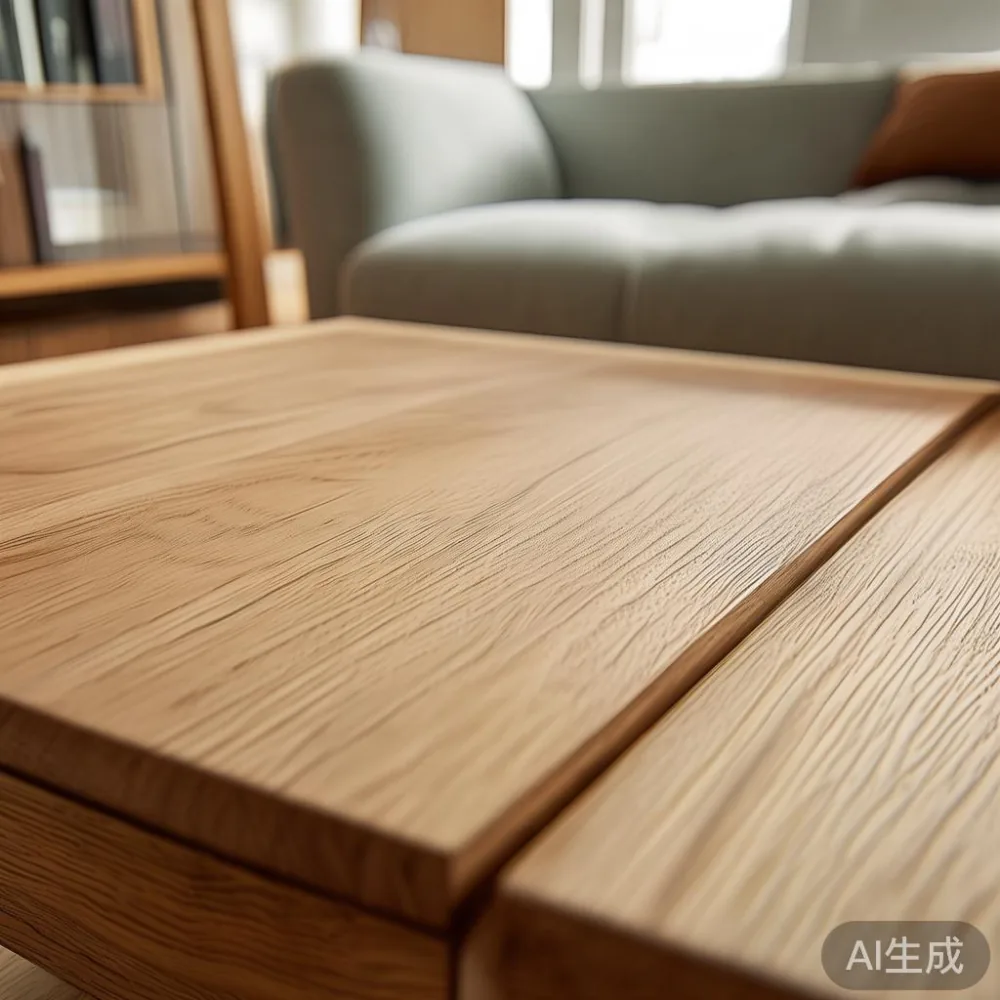
<Veneer furniture uses a thin layer of real timber, usually 0.6 mm to 2 mm thick, bonded to a stable engineered panel. The visible face can be oak, walnut, ash or another species. Veneer is lighter than an equivalent solid wood panel, often by 20 to 45 percent depending on the core and design. Its surface can look refined and consistent, which suits the clean lines associated with scandinavian furniture.
Solid wood furniture uses timber throughout the visible structure. Oak, beech, ash, teak and similar species are common. It is heavier, with a 180 cm dining table weighing roughly 55 kg to 95 kg, while a 150 cm wardrobe may weigh 90 kg to 180 kg. Solid wood can be sanded and refinished, but movement, humidity and everyday knocks still affect it. Veneer cannot be repaired like a solid panel if the face sheet is deeply scratched; instead, the damaged area may need replacement.
For planning purposes, assume a 200 cm solid oak dining table at SGD 1,980 including GST, or SGD 1,380 for a comparable veneer table. A 160 cm solid wood bed frame might cost SGD 1,280, compared with SGD 890 for veneer. A 120 cm solid wood wardrobe may be SGD 1,580, while a veneer wardrobe is SGD 1,080. A solid wood nightstand may be SGD 420, versus SGD 290. These examples show why the initial price difference can be substantial, although design, hardware, delivery and installation matter too.
5-Year Purchase and Ownership Costs
Here is a simple comparison for one medium-sized Singapore home. The scenario includes a dining table, a bed frame, one wardrobe and two nightstands. The prices include GST at 9 percent and use planning estimates based on typical showroom and online configurations.
For the solid wood set, the furniture total is SGD 1,980 for the dining table, SGD 1,280 for the bed frame, SGD 1,580 for the wardrobe and 2 x SGD 420 for nightstands. The total is SGD 5,680. For veneer, the comparable total is SGD 1,380, SGD 890, SGD 1,080 and 2 x SGD 290, or SGD 3,930. The difference at purchase is SGD 1,750, or about 45 percent more for the solid wood set.
Delivery is estimated at SGD 90 for a local curbside delivery and SGD 180 for a larger order requiring a two-person team. In a Tampines HDB flat, a narrow corridor may make the wardrobe difficult to move, so an additional SGD 120 assembly or carry-in charge is realistic. In a Bedok condo with a wider lift and direct access parking, delivery may cost SGD 60 less, but parking or service-lift fees can apply.
Across five years, assume one repair incident. Solid wood may need SGD 80 to SGD 220 for hinge adjustment, minor sanding and hardware replacement. Veneer may need SGD 40 to SGD 120 for surface cleaning and hardware work, although a damaged face sheet can cost SGD 300 to SGD 700 to replace. Assume 2 refinishing services over the period: SGD 180 each for solid wood, bringing the estimate to SGD 360, while veneer has no conventional full refinishing service. The following table gives a conservative five-year planning total, excluding replacement of the entire item.
| Item | Solid wood cost over 5 years | Veneer cost over 5 years |
|---|---|---|
| Furniture purchase, including GST | SGD 5,680 | SGD 3,930 |
| Delivery and carry-in | SGD 300 | SGD 240 |
| Five-year repairs | SGD 220 | SGD 160 |
| Refinishing or surface care | SGD 360 | SGD 120 |
| Estimated 5-year total | SGD 6,560 | SGD 4,450 |
The difference is about SGD 2,110 over 5 years, or SGD 422 per year for this four-piece set. The result does not claim that one material wins every situation. A family that values long-term repairability may accept a higher solid wood cost, while a renter who expects to replace or resell furniture within five years may prefer veneer.
Which Material Is More Practical for Singapore Homes?
Singapore’s humidity makes stability important. Veneer engineered panels can move less than solid timber, but exposed edges and joints still need attention. Solid wood expands and contracts with changes in moisture, so it should not sit directly against a damp wall or be wiped with a soaking cloth. In a Punggol bedroom, allow about 5 cm to 8 cm behind a wardrobe for ventilation and wall movement, especially if the unit is near an air-conditioning unit or window.
Weight is another practical issue. A 180 cm solid wood dining table may weigh 70 kg, making a two-person delivery more likely. A veneer table may weigh 42 kg, which can be easier for one installer but still unsafe to carry alone if the lift is far away. Check whether the supplier includes a two-person team, stair-climbing surcharge and a 14-day return policy. A lower purchase price can become less attractive if delivery to a specific block costs SGD 160 more than expected.
Solid wood is easier to renew at the surface. A light sanding followed by oil or lacquer can restore many small marks. Veneer is less forgiving: sanding through a 0.6 mm face layer exposes the core and cannot be repaired in the same way. If a wardrobe has 2 mm veneer, a deep scratch may still require board replacement. Ask for the veneer thickness, core material and edge-banding details in writing.
For homes with children or pets, solid wood may handle knocks better, although impact marks remain possible. Veneer furniture may be easier to move because it is lighter, but the panels must be lifted correctly; dragging a wardrobe across a 12 cm skirting board can damage the base. Ask for floor-protection felt and confirm whether the installers remove packaging.
How Much Does Maintenance Cost Over Five Years?
Care costs are often treated as a small afterthought, but they become more visible over 60 months. For solid wood, budget SGD 25 to SGD 60 per item per year for cleaning oil, dusting and minor hardware checks. A dining table exposed to sunlight near a condo window may need more frequent care. A typical maintenance routine is to wipe with a dry cloth 3 times per week, apply a suitable wood care product 4 times per year, and inspect hinges every 6 months.
For veneer, budget SGD 15 to SGD 40 per item per year for gentle cleaning and edge checks. Avoid silicone sprays, abrasive pads and alcohol-based cleaners. If the surface loses sheen, refinishing may not be possible without replacing the panel. A 160 cm wardrobe with replacement veneer could cost SGD 600 to SGD 1,100, making damage insurance or careful placement relevant.
One practical example comes from a recent showroom visit I made last month with a colleague in Singapore. We inspected a 180 cm solid wood dining table and a veneer table of similar dimensions. The solid wood table weighed 74 kg; the veneer version weighed 46 kg. We checked the edge banding, lifted one table drawer, and tested the table under a 50 kg evenly distributed load. The solid wood frame felt firm, while the veneer model was lighter but showed more vibration when the load was moved toward the corner. This does not make one option automatically superior, but it explains why the heavier construction may feel different in daily use.
For light-luxury styling, surface quality matters. Solid oak with a matte oil finish can work with French light luxury rooms, American light luxury interiors and post-modern light luxury apartments. Italian light luxury for bedroom schemes may use pale walnut, soft beige textiles and restrained metal details. When evaluating a solid wood sofa, solid wood bed frame or marble table, inspect the base, joints and finish under daylight as well as warm evening light.
What Should You Buy for a Condo or HDB Flat?
For a compact Singapore home, start with the largest item that must fit through the access route. Measure the door opening, lift width, lift depth, turning space and corridor turns. A 200 cm table can fit inside a flat even if its carton is 210 cm long, provided the carton can be tilted safely. A wardrobe carton may measure 220 cm x 110 cm x 65 cm, so it must be checked against a lift door of 105 cm or a service lift of 90 cm.
Allow SGD 60 to SGD 180 for ordinary local delivery, SGD 120 to SGD 260 for stairs or restricted access, and SGD 80 to SGD 150 for assembly. Confirm the expected delivery window in days. A standard Singapore order may arrive in 7 to 14 days, while a custom finish can take 30 to 45 days. A free-shipping threshold of US$350 stated in US dollars can create uncertainty for a local buyer, so request the Singapore delivery price separately and confirm GST treatment.
Veneer works well for modular wardrobes and storage because the lighter panels are easier to reposition. A 120 cm nightstand can be moved from the Tampines bedroom to a Bedok rental flat by one person, provided it weighs under 20 kg. Solid wood nightstands look substantial and can last through several moves, but the moving cost may rise if the cabinet is 28 kg or heavier.
For bedroom planning, phrases such as how to style light luxury bed in bedroom often encourage oversized furniture, but a narrow HDB room may need a slimmer profile. A 160 cm bed frame with a 42 cm headboard may suit a 300 cm-wide room, while a 180 cm frame may restrict bedside access. For an open wardrobe, check that the doors can open through a 90-degree angle without hitting a wardrobe handle or window.
Which Option Gives Better Resale Value After Five Years?
Resale value depends on condition and buyer perception. A solid wood item with intact joints, stable drawers and a renewable finish may attract buyers who expect to sand and restore it. Veneer furniture in good condition can also sell well, particularly if it matches current apartment sizes and storage needs. The higher price of solid wood does not guarantee a higher resale price; a heavy table with a dated finish may be harder to move than a lighter veneer model.
Estimate selling costs after 60 months. A solid wood dining table bought for SGD 1,980 might resell for SGD 700 to SGD 1,000 after delivery and cleaning deductions. A veneer table bought for SGD 1,380 might resell for SGD 450 to SGD 700. A solid wood wardrobe may retain more value if the doors align and the surface can be refinished. A veneer wardrobe with chipped edges may lose more value because repair is limited.
For a realistic 5-year comparison, subtract expected resale value from the ownership total. In the example above, the solid wood set has a five-year cost of SGD 6,560 and an estimated resale value of SGD 2,400, producing a net cost of SGD 4,160. The veneer set has a five-year cost of SGD 4,450 and an estimated resale value of SGD 1,500, producing a net cost of SGD 2,950. Solid wood therefore costs about SGD 1,210 more after allowing for resale in this example.
These are planning ranges, not promises. Keep photographs, care records and the original finish details. For buyers comparing the best Japanese wardrobe for 2026 with European alternatives, check the drawer runners, hinge brand, wall anchoring kit and moisture-care instructions. Japanese-inspired storage may be valued for precise fittings, but the construction and delivery package still need to suit the building.
How Do You Choose Between Veneer and Solid Wood?
Choose solid wood when the furniture will be used daily, moved infrequently and kept for 8 years or longer. It is a sensible fit for a dining table that benefits from sanding and refinishing, a bed frame with visible timber grain and a wardrobe that can be anchored carefully. Budget for the heavier delivery and for checking Singapore access measurements.
Choose veneer when the budget is fixed, storage needs are changing or the furniture must be carried through older corridors and narrower lifts. A modular solid wood sofa may include engineered internal frames, so ask whether every major component is solid wood or only the visible parts. The same question applies to a dining table: the top may be solid wood while the apron or legs use a different material.
MIDHILL has supplied furniture since 2008 and exports to more than 15 countries, so product information should include construction details, not only appearance. Ask about a 10-year structural warranty, lifetime refinishing for eligible solid wood pieces, 14-day returns and the exact Singapore delivery cost. Those policies can affect the five-year calculation more than a small material difference.
Modern Mid-century modern furniture can use either material if the proportions and joinery are well controlled. A Modern light luxury dressing table may use veneer for a clean top and solid wood for selected legs, provided the mixed construction is clearly described. For a marble table, solid wood storage beneath it can add warmth, but the marble top adds weight, so delivery access should be checked in the same way.
Which Furniture Choice Fits Your 5-Year Budget?
For the sample home, veneer costs about SGD 4,450 over five years before resale deductions, while solid wood costs about SGD 6,560. The difference is not simply a matter of quality; it includes weight, delivery complexity, repairability, refinishing and expected resale. If the furniture is for a compact HDB flat, compare the complete delivered price rather than the showroom price alone.
Measure the route, confirm the material of each visible part, and ask for a written care plan. Use a damp cloth only where the manufacturer allows it, keep furniture 5 cm from exterior walls where possible, and inspect fixings every 6 months. A careful choice made today can remain comfortable in a Tampines, Bedok or Punggol home through 60 months of use.