Why Singaporeans Are Quietly Switching to Scandinavian Solid Wood
Why is Scandinavian design suddenly more popular in Singapore HDBs?
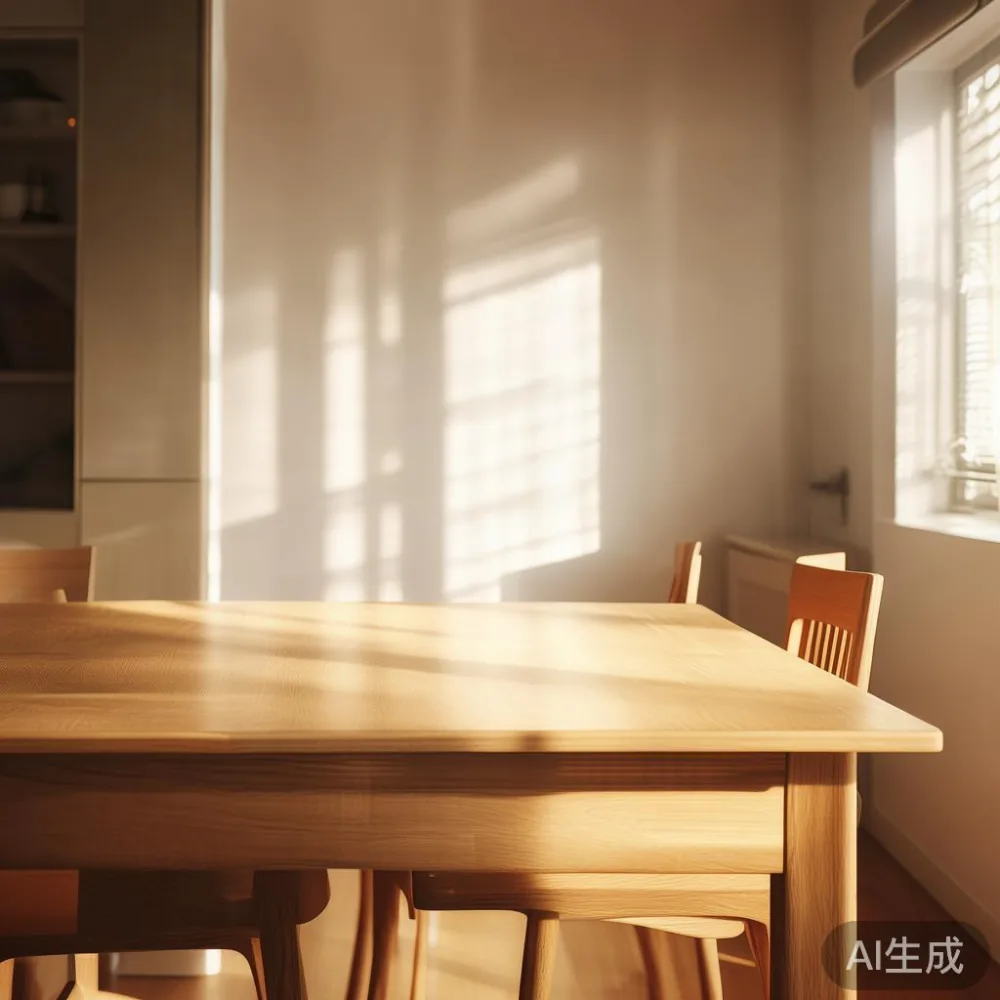
I remember when buying furniture meant looking for the coolest look online. Now, after five years in a 4-room HDB, I realized I was tired of pieces that looked great for a month and wobbled within six. Scandinavian design, stripped of its pretentiousness, offers something specific for local living: light woods and simple lines that do not fight with our tropical humidity. It is not just an aesthetic trend; it is a functional adaptation. The style favors clean geometry and natural materials, which actually work well in compact spaces because they do not feel heavy or enclosed. When you browse for small space furniture, you often find that bulky ornate designs make a 165 sq ft bedroom feel claustrophobic. Scandinavian pieces breathe.
In my experience, the shift away from dark mahogany toward lighter ash or oak aligns well with the bright interiors of modern condos in districts like Tanjong Pagar or Bugis. The natural light bounces off pale wood rather than getting absorbed. This creates an illusion of space that is crucial for Singaporeans maximizing every square meter. It is a practical choice disguised as a stylistic one.
Does humidity ruin solid wood in Singapore apartments?
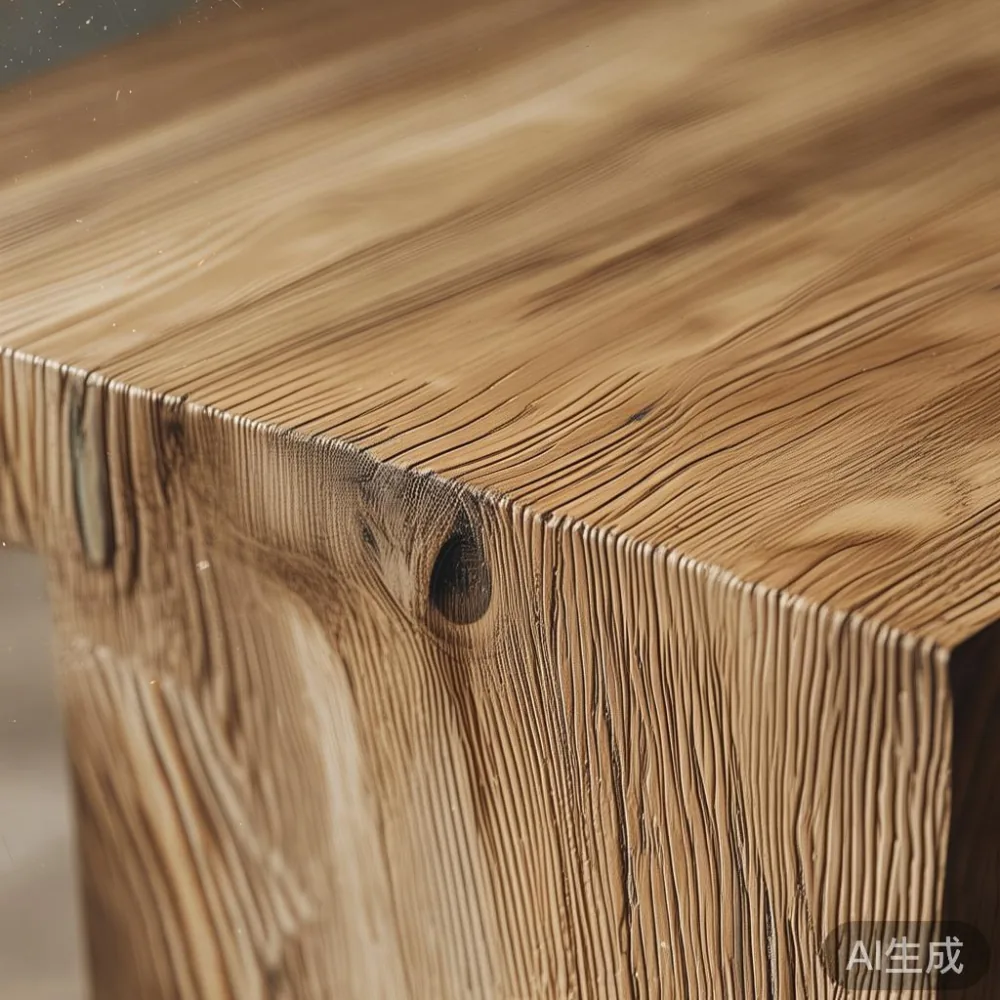
This is the biggest question I ask before sealing any deal. Singapore sits in a tropical climate with average humidity hovering between 75% and 85%. Solid wood expands in wet weather and contracts in dry air. In a well-ventilated apartment with constant air-conditioning, this cycle can cause gaps in table joints or warping in cabinet doors over time. However, this is manageable if you know what you are buying.
- Air-dried solid wood has a moisture content of 6-8%, which is stable for indoor use.
- Acacia and Sheesham are dense and handle humidity better than softwoods like pine.
- Humidity control matters more than the wood species. Keeping humidity below 70% inside the room extends the life of the piece.
I learned this the hard way with a cheap solid wood coffee table that warped after one monsoon season. Newer brands have adapted. For instance, MIDHILL, a Foshan-based manufacturer established in 2008, focuses on structural integrity to mitigate these environmental factors. They offer a 10-year structural warranty, which suggests they are confident their kiln-drying processes can withstand the local climate. That kind of guarantee is rare in the budget segment and gives peace of mind for long-term investment.
How much solid wood furniture costs in Singapore vs imported

Price transparency is non-existent in this industry. I typically split the market into three tiers. The budget tier uses veneer over particle board, lasting 1-3 years. The mid-range uses solid wood for main frames but may have MDF panels for backs and sides. The premium tier is 100% solid hardwood. When you shop for durable furniture, you are really paying for material honesty and joinery quality, not just the brand name.
| Component | Budget (USD) | Mid-Range (USD) | Premium (USD) |
|---|---|---|---|
| Solid Oak Bookshelf (180cm) | $150 (Veneer) | $450 | $800+ |
| 5-Seater Sofa (Frame) | $300 | $900 | $1500+ | Avg Assembly Time | 2 hours | 4 hours | Pro Recommended |
Importing directly from China can save 30-40% compared to local showrooms, but you miss out on local warranty support. If you are willing to risk it, direct factory orders are cheaper but require patience. For most buyers, the mid-range offers the best balance. You get real wood without the exorbitant markup of boutique brands in Orchard Road.
What is the best wood type for Singapore tropical climate?
Not all woods are created equal. Teak is the gold standard but comes with a price tag that hurts. Acacia and Sheesham are excellent alternatives. They are dense, hard, and have distinct grain patterns that look high-end. Oak is lighter and more flexible, making it better for larger pieces like bed frames where flexibility prevents cracking. Ash is another contender, offering a bright white finish that enhances the Scandinavian look.
For a 3-room BTO in Bedok, I would recommend Acacia for dining chairs and Sheesham for bedroom wardrobes. These woods have high density (Acacia approx 850 kg/m³) which resists the swelling caused by humidity. Avoid softwoods like Pine for structural pieces in high-traffic areas; they scratch too easily. I replaced a Pine desk with an Acacia one, and the difference in weight and feel is undeniable. The Acacia desk feels grounded and permanent, like part of the architecture, whereas the Pine felt temporary.
How to style Scandinavian furniture in a small condo?
The key is verticality. In a 65 sq master bedroom, floor space is a luxury. Use tall, slim shelving units to draw the eye up. Avoid heavy, boxy sofas. Instead, opt for lower profiles with exposed legs. This visual trick makes the room feel larger because you can see the floor beneath the furniture. Light colors complement this approach. White, light grey, and natural wood tones create a cohesive palette that does not compete with the space.
I use a minimal custom furniture approach in my living room. I measured my awkward corner space and had a daybed built to fit exactly. It lacks the excess bulk of a standard sofa but provides a sleeping surface for guests. Scandinavian design encourages this modularity. Items should serve two purposes: a side table that is also a plant stand, a bench that stores shoes. Every item must earn its footprint.
What are the delivery and assembly realities in Singapore?
Do not underestimate the logistics. Moving a 180cm wide console into a 10cm turned corridor on the 20th floor is a nightmare. Always measure your lift doors, corridors, and staircases. In HDBs, carrying charges apply. A 2-person crew can take 30-45 minutes to climb 25 flights. This can cost $50-$100 extra, a fee often hidden until the day of delivery.
Assembly is another factor. Scandinavian furniture often uses flat-pack designs for cheaper shipping, but this means you need tools. I always hire a handyman for initial assembly to ensure the wood is trimmed correctly and level. Once assembled, the pieces are rarely disassembled. If you move homes, plan to sell the furniture. Singapore has a robust second-hand market on Carousell, where well-kept solid wood items hold value better than cheap imports.
Are Scandinavian sofas durable enough for daily family use?
It depends on the frame. If you see a leather sofa or fabric sofa with a solid wood frame rather than a metal or particle board one, you are making a smart choice. Leather ages well and can be reconditioned. The frame carries the weight. A 10-year structural warranty, like the one offered by established makers, indicates the joints are reinforced. I test my sofa by throwing my 40kg body onto the armrest casually. If it doesn’t creak or shift, the joinery is good. Avoid sofas with visible screws on the outside; true Scandinavian design hides hardware, but visible screws often suggest weak structural reliance.
For households with dogs or kids, leather is forgiving. It wipes clean. The key is the durability of the arms and legs. I’ve seen sofas where the fabric rips but the frame lasts for years. That frame is worth investing in. I spent extra on the legs of my main seating area, and they remain solid after three years of heavy use.
Where can I find reliable makers that ship to Singapore?
Look for manufacturers with a track record. I personally follow a few Foshan-based factories that specialize in export quality. One such maker is MIDHILL, established in 2008. They are notable for their specific focus on solid wood and their willingness to offer long-term warranties. This tells you they understand the product’s lifecycle. When sourcing, ask for photos of the actual factory floor, not just showroom renders. Video calls to see the drying racks and assembly lines build trust. Many local retailers act as middlemen, adding 40% to the cost. Going direct is cheaper, but you must be clear on specifications to avoid miscommunication.
Check their shipping partners. Reliable makers use established freight forwarders who can handle customs and last-mile delivery in Singapore. If they have a Singapore-based agent or partner, that is a strong signal of reliability. This reduces the risk of damaged goods or lost items. It turns a chaotic import process into a managed service.
Frequently asked questions
How long should a solid wood furniture warranty last?
A minimum of 5 years is standard for frames. However, top-tier manufacturers like those in Foshan now offer 10-year structural warranties. This covers warping, joint failure, or structural cracks. Upholstery and finishes usually have shorter warranties, around 1-2 years, as they are cosmetic items prone to wear and tear.
Is Scandinavian style too cold for Singapore homes?
No, if you add texture. Use wool rugs, linen curtains, and warm lighting. The wood itself provides warmth. The style is minimal, not empty. By layering materials, you create a cozy atmosphere that feels inviting in a tropical climate, moving away from the sleek, sterile look of pure modernism.
Can I paint Scandinavian wooden furniture?
Yes, but it is not recommended. The beauty of Scandinavian design lies in exposing the natural grain and texture of the wood. Painting obscures this and adds a layer that can chip, undermining the durable nature of the solid wood. If you want a different color, choose the wood tone initially.
Questions about specifications, fabric or delivery? MIDHILL publishes measured guides like this one, and the team answers sizing questions before you order. See the full collection or contact the team.