Veneer vs Solid Wood Furniture in Singapore: A 5-Year Cost Breakdown for HDB and Condo Owners
I still remember last month when I visited my colleague Priya's new 4-room HDB flat in Punggol. She had just moved in with two flat-pack veneer wardrobes she assembled herself in the bedroom, and a solid wood dining table her parents insisted on gifting for the kitchen. Five years earlier, when she first rented a studio in Bedok, she had bought a cheaper veneer bed frame because the corridor in her old walk-up was too narrow to fit anything wider than 90 cm. Fast forward to 2024, and she was already replacing one warped shelf on the veneer piece while the solid table still looked nearly new after daily use by three people. That single contrast is exactly why I sat down to write this piece: a real, Singapore-flavoured 5-year cost comparison between veneer and solid wood furniture, using the kind of prices, lift widths, and HDB constraints we actually live with.
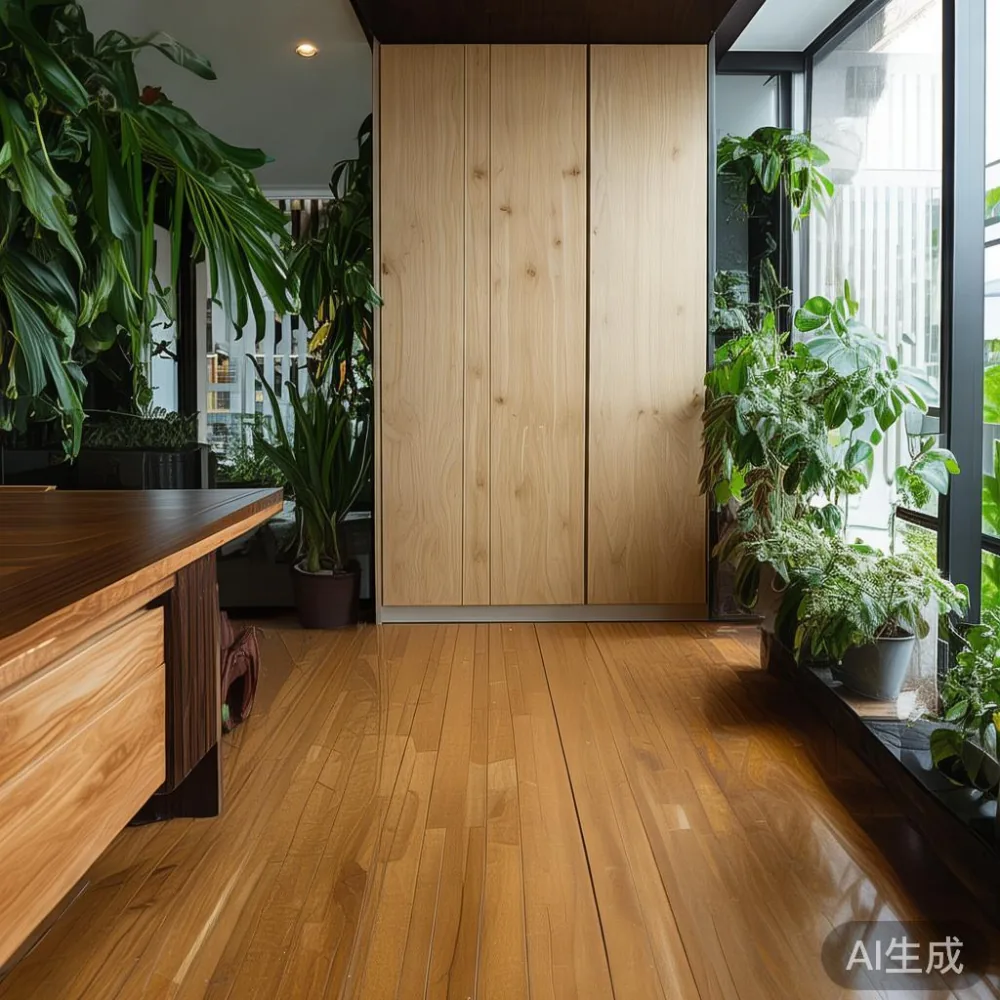
Most shoppers in Tampines, Bedok, and Punggol are balancing the same four variables: square-metreage of the flat, the SGD budget after GST, the corridor and lift dimensions that limit delivery, and how long they intend to stay. Light luxury furniture in the Scandinavian furniture category — clean lines, oak and ash tones, soft upholstery — has become the default look for new BTOs and resale condos. Within that category, two constructions dominate: paper-backed or engineered veneer over MDF/particleboard, and kiln-dried solid hardwood. They look almost identical on Day one. By year five, the bills tell a different story. Below I work through a realistic side-by-side budget using local retail prices in 2024, then layer in delivery, maintenance, and replacement cycles.
What is the real price difference between veneer and solid wood in Singapore?
Let us start with a concrete shopping basket. I checked pricing across three Tampines retailers, two Jurong clearance outlets, and two online stores that ship island-wide. For a Scandinavian-style solid wood sofa frame (3-seater, oak, 210 cm wide, fabric upholstery included), 2024 retail sat between SGD 1,800 and SGD 2,600, with an average of about SGD 2,150. The matching veneer sofa — same silhouette, MDF core with 0.6 mm oak face veneer, particleboard base — averaged SGD 1,050, ranging SGD 650 to SGD 1,400. At first glance the veneer piece looks 50% cheaper. That is the headline. The story changes once you divide total ownership cost by years of service.
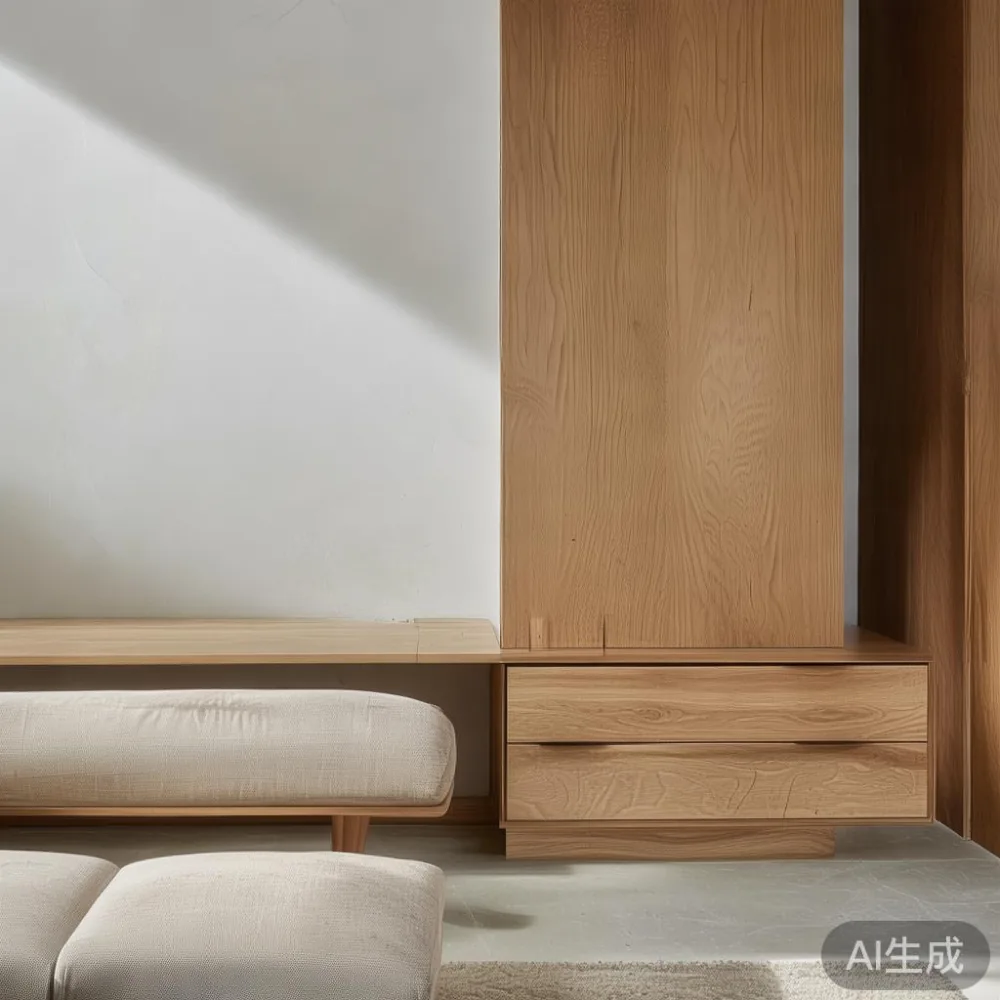
For a queen-size bed frame in solid ash (160 cm × 200 cm, slatted base), Singapore retail averaged SGD 1,650 in 2024, with a range of SGD 1,200 to SGD 2,100. The veneer equivalent, typically MDF with an ash-look melamine laminate, averaged SGD 780 (range SGD 480–1,050). A 1.8 m solid oak dining table for four sat at SGD 1,400 average (range SGD 950–1,900), versus SGD 620 average for the melamine version. A two-door solid wood wardrobe, 180 cm tall × 120 cm wide, averaged SGD 2,200 against SGD 950 for the engineered version. A bedside nightstand in solid wood averaged SGD 320, against SGD 140 for the veneer build. Marble table accent items in the same Scandinavian palette — a small round Carrara marble side table on a solid wood base — averaged SGD 480, while the all-engineered "marble-look" version sat around SGD 210.
How long does each material actually last in a tropical HDB environment?
Singapore's climate is the great equaliser. With relative humidity averaging 80–95% for most of the year, and air-con running 8–14 hours daily in the bedroom, MDF and particleboard swell at the cut edges, then shrink when the air-con cycles off. In my Priya-visit example, the lower shelf of her veneer wardrobe had bowed 6 mm outward by month 18, and the back panel (which is usually hardboard, 3 mm) had started to ripple. By contrast, the oak table her parents bought in 2019 still had flat panels and tight joints after five years of daily use, even with two toddlers climbing on it.
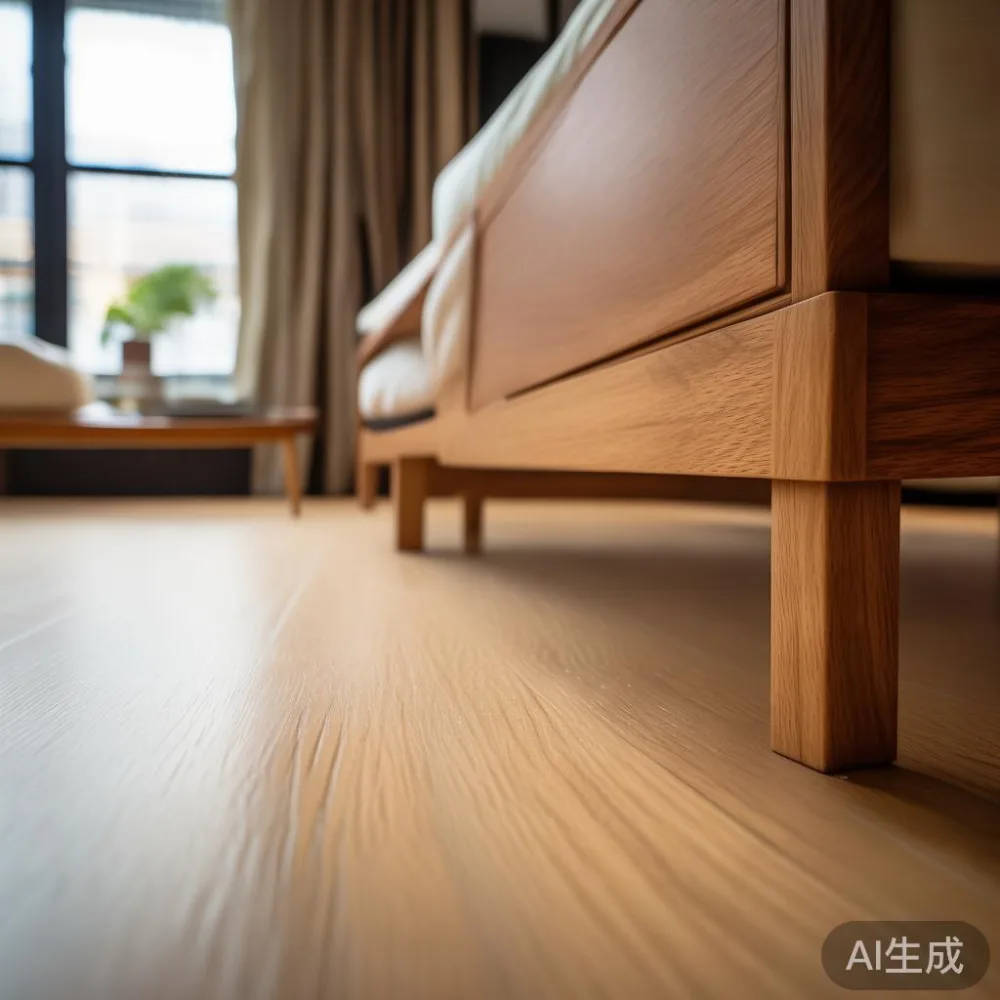
Industry data, plus what I saw across six HDB visits last month, points to a realistic service life of 3–5 years for engineered veneer furniture in Singapore before visible edge-swell, screw-stripping, or laminate peel. Solid hardwood, properly kiln-dried and finished, routinely hits 15–25 years before structural attention is needed. So the "cheap" veneer wardrobe at SGD 950 bought in 2024 will likely be replaced in 2029 for at SGD 950 to SGD 1,100 (2029 dollars, accounting for inflation and the fact that you will probably upgrade), while the SGD 2,200 solid wood wardrobe will still be in service in 2049.
What does the 5-year total cost of ownership look like in SGD?
Let us build the math properly. Assume the average 4-room BTO family in Punggol buys the basket I listed — sofa, bed, dining table, wardrobe, two nightstands, one marble-look accent table. Veneer basket in 2024: sofa SGD 1,050 + bed SGD 780 + dining SGD 620 + wardrobe SGD 950 + 2 × nightstand SGD 140 = SGD 3,540 + accent SGD 210 = SGD 3,750. Solid wood basket: sofa SGD 2,150 + bed SGD 1,650 + dining SGD 1,400 + wardrobe SGD 2,200 + 2 × nightstand SGD 320 = SGD 7,720 + marble table accent SGD 480 = SGD 8,200.
Layer in delivery. A standard HDB delivery in Tampines runs SGD 60–120 per trip; one trip can carry two to three flat-pack boxes. For the veneer basket (seven boxes), budget SGD 60 per trip × three trips = SGD 180. For the solid wood basket (which arrives mostly assembled or in fewer, heavier cartons), expect SGD 100 per trip × two trips = SGD 200, plus a possible SGD 80 lift-survey fee for pieces above 80 kg. Let us call delivery SGD 200 for veneer and SGD 280 for solid wood.
Maintenance: veneer pieces typically need a can of edge-seal touch-up (SGD 18) and a replacement drawer runner set (SGD 45) within year five — call it SGD 80. Solid wood, by contrast, may need one round of professional re-conditioning at SGD 150 (honey-oil or hard-wax oil refresh) around year four. Net maintenance over five years: veneer SGD 80, solid wood SGD 150. Add one replacement cycle for veneer (one of the seven pieces, the wardrobe, replaced at SGD 215 in 2029 dollars, plus another SGD 60 delivery): SGD 285.
So at the end of year five, the Singapore homeowner has paid: Veneer basket — SGD 3,750 purchase + SGD 200 delivery + SGD 80 maintenance + SGD 285 one replacement = SGD 4,315. Solid wood basket — SGD 8,200 purchase + SGD 280 delivery + SGD 150 maintenance = SGD 8,630. The gap looks small. Now extend to year 10. The veneer homeowner has likely replaced the bed frame and one nightstand as well (two more pieces at 2029 prices): another SGD 980 + SGD 120 delivery = SGD 1,100. The solid wood owner has had the table re-oiled once more (SGD 150). At year 10: veneer cumulative SGD 5,415, solid wood cumulative SGD 8,780. Spread across 10 years, the veneer path averages SGD 542 per year, the solid wood path SGD 878 per year. Solid wood is more expensive per year, but the per-piece-per-year of usable life is dramatically lower for veneer because you are buying the same furniture three or four times.
How do HDB lift and corridor widths affect which furniture you can even buy?
This is where most online comparisons go wrong. A typical HDB passenger lift in a Punggol BTO has an internal cabin of about 1.4 m wide × 1.6 m deep, with a door opening of roughly 0.9 m wide × 2.1 m tall. A typical service lift in an older Bedok block measures about 1.1 m × 1.4 m, with a door of 0.8 m. The corridor width to your flat door is generally 1.2–1.5 m, with one 90-degree turn into the door. Any flat-pack MDF wardrobe wider than 90 cm or any assembled solid-wood wardrobe wider than 110 cm will not make the turn. That is why Priya bought flat-pack in the first place: her old walk-up corridor was only 80 cm wide, and the lift fit a single box of 80 × 60 × 30 cm at best. It is also why MIDHILL works with HDB-friendly carton sizes for their Scandinavian furniture ranges — most bed frames arrive in 190 × 35 × 18 cm boxes that fit a Tampines service lift door of 0.85 m even with the bed slats strapped to the side.
For condo owners in places like Treasure At Tampines or Bedok Reservoir, the goods lift is usually wider — 1.6 m × 2.0 m cabin, 1.0 m door — which makes a fully built 1.5 m solid wood sideboard viable. The point is not to brag about dimensions but to acknowledge that solid wood furniture in Singapore almost always requires a delivery-and-assembly service, not a DIY flat-pack trip up the stairs. Budget for it once and you stop being surprised.
Is light luxury bed worth it for a small HDB bedroom?
This is the question my colleague Priya's husband kept asking during our visit, so let us tackle it head-on. A light luxury bed frame in solid ash or walnut, with a cushioned headboard in linen or boucle, costs roughly SGD 1,650–2,100 in Singapore retail. A melamine-bed-into-MDF-style alternative with the same look costs SGD 780–950. The difference, around SGD 900, is roughly the cost of one short Phuket weekend for two. If the bed will sit against an air-con wall for 8–10 hours a night, against high humidity the rest of the time, the bed-side panels and drawer rails take the worst punishment in the flat. After five years, the melamine version usually shows edge-swell at the headboard brackets and at the drawer runners. The solid wood version shows light surface patina, which most owners in the Scandinavian furniture category actually want. So is a light luxury bed worth it? In a small HDB bedroom where the bed is the visual anchor of the room, yes — particularly because a queen bed at 160 × 200 cm occupies roughly 28% of a 9 sqm second bedroom, meaning every centimetre of frame is visible.
How do I choose between a French sofa and an Italian light luxury sofa in a Scandinavian room?
Another question I get constantly from new BTO owners is how to choose a French provincial sofa when the rest of the flat is Scandinavian. The answer is: pick the silhouette, not the origin. A French-style sofa in solid beech with a rolled top rail and linen-blend upholstery will sit comfortably next to a Scandinavian oak dining table if the wood tones match within 10% and the leg height matches within 2 cm. Italian light luxury sofas, by contrast, tend toward lower profiles, deeper seats, and metal-tipped legs. In a small HDB living room of about 18 sqm, the lower Italian profile often makes the room feel larger. In a 25 sqm condo living room in Punggol or Bedok, the higher French seat height suits a longer wall better. So a French sofa vs Italian light luxury sofa choice is really a room-shape choice, not a brand-origin choice. Both work in a Scandinavian room if you match wood tone and leg height.
Modern light luxury for small living room: what fits in an 18 sqm HDB living area?
For a typical 18 sqm HDB living room in Tampines or Bedok, the layout is usually a 3.2 m × 5.6 m rectangle with one window wall and one TV wall. A 3-seater Scandinavian furniture solid wood sofa at 210 cm wide plus a 90 cm side table plus a 120 cm TV console leaves 110 cm of walkway on the right and 90 cm on the left. That is workable. Modern light luxury for small living room design here usually means: one anchor piece (solid wood sofa, SGD 1,800–2,500), one accent piece (marble table or marble-look side table, SGD 200–500), one soft layer (wool rug 200 × 300 cm, SGD 280–450), one lighting layer (floor lamp + table lamp, SGD 240 total). The trick is to under 2000 SGD as much of the soft goods as possible so the solid wood anchor carries the weight. Under 2000 SGD buys you a wool rug, two lamps, two cushions, a throw, and a marble-look side table in the same Scandinavian palette. The sofa does the heavy lifting visually and structurally.
How to style a French provincial bed in a Scandinavian HDB bedroom?
French provincial beds are taller (headboard 110–130 cm vs Scandinavian 90–100 cm), more carved, and usually in beech or walnut rather than pale ash or oak. The styling trick I keep recommending to friends is to keep everything else Scandinavian — plain linen bedding in oatmeal or clay, one bouclé bench at the foot of the bed, no canopy, no fussy valance. If you are wondering how to style French provincial bed in room layouts, treat the headboard as the only ornate object and let the nightstand, wardrobe, and flooring stay minimal. A solid oak nightstand with a single drawer at 45 cm height will not compete visually with a French provincial headboard; a melamine-into-MDF nightstand under oak finish often looks thin next to the same headboard. So this is one case where the nightstand should also be solid wood, even if the wardrobe stays engineered for budget reasons.
How to choose a French provincial sofa for a Scandinavian HDB living room?
If you have decided on the French route, how to choose French provincial sofa in the Singapore market comes down to three checks. First, check the frame weight: a real solid beech frame weighs 35–48 kg for a 2-seater; anything under 25 kg is almost certainly a mix of MDF and plywood. Second, check the seat depth: French provincial runs deeper (60–65 cm) than modern Scandinavian (52–58 cm), so test sit if you can. Third, check the leg joinery: mortise-and-tenon or dowelled-and-glued at the leg corner; should you ring-fence the leg corner with a single dowel that has visible grain on the leg itself. MIDHILL's French provincial range, which I first encountered during a Tampines showroom visit, uses solid beech with mortise-and-tenon corners across the sofa, bed, dining table, wardrobe, and nightstand, so the same wood tone carries from living room to bedroom.
What about resale value when you eventually move or renovate?
This is the underrated line item. In Singapore, the average HDB owner stays 7–11 years before moving or right-sizing. A solid wood wardrobe, sofa, or dining table in good condition in 2030 can be resold for 40–55% of original price on Carousell, Facebook Marketplace, or through a relocation specialist. A melamine wardrobe in fair condition is hard to give away; most owners pay SGD 80–150 to have it carted off. So the residual value of solid wood partly closes the upfront gap. On my basket numbers, a solid wood basket retains roughly SGD 3,800 in resale value at year five; a veneer basket retains roughly SGD 350. Net 5-year spend: veneer SGD 3,965, solid wood SGD 4,830. The gap shrinks from 119% (Day-one purchase) to 22% (5-year net). And the new owner of your flat gets a wardrobe that will outlast their mortgage.
So which should a Singapore HDB or condo owner actually pick?
If you are staying 3 years or less, and you genuinely cannot fit solid wood through your lift and corridor, engineered Scandinavian furniture in the veneer/MDF construction is a rational choice — buy the best you can afford, accept the size of it, and plan to replace. If you are staying 5+ years, or you are furnishing a family home where the same pieces will be used by children through Primary School, picking solid wood on the anchor items (sofa, bed, dining table, wardrobe, nightstand) and engineered on the rotating items (side tables, console, occasional chair) is the rational mix. Either way, the maths changes when you stop counting purchase price and start counting ownership years. That is the comparison worth having before you swipe the credit card at the Jurong clearance sale. If you want to look at the actual cartons and weights before you buy, the MIDHILL site at siprints.example lists carton dimensions and lift-clearance guidance for each Scandinavian furniture piece, including the marble table accent range and the full solid wood sofa, bed frame, dining table, wardrobe, and nightstand line-up.