Scandinavian Wood Furniture: 5-Year Cost Breakdown
Choosing furniture for a Singapore home is rarely a question of appearance alone. A scandinavian furniture scheme can make a compact Tampines HDB flat feel brighter, while a solid wood bed frame may suit a Bedok condo where long-term durability matters. Veneer can offer the same visual rhythm at a lower entry price, but the two materials behave very differently once scratches, moisture, repairs and replacement costs enter the calculation.
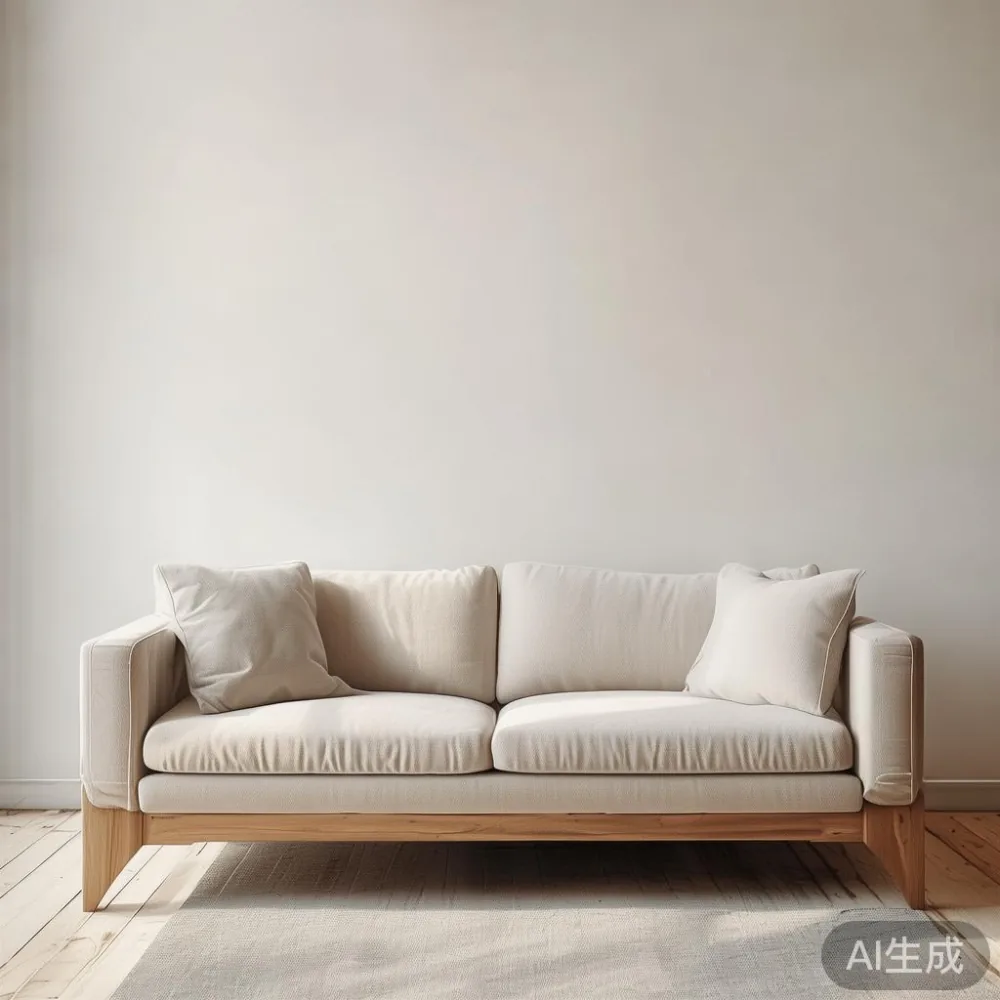
This comparison follows one dining table, one wardrobe and one solid wood sofa through five years of ownership in Singapore. Prices are shown in SGD and include an illustrative 9% GST where applicable. Delivery is estimated at 7-14 days for in-stock Singapore orders, with longer lead times for made-to-order pieces.
MIDHILL is a Foshan solid wood furniture maker established in 2008, exporting to more than 15 countries. Its structural warranty runs for 10 years, refinishing is available for the lifetime of the product, and qualifying orders above US$350 receive free shipping. These policies give a solid wood purchase a measurable support network rather than relying on vague claims about future value.
What does “5-year cost” actually include?
<The calculation uses the purchase price as Year 0 and then adds delivery, protection products, maintenance, repairs, risk allowance and resale or disposal value over 60 months. For Singapore, a 5-year horizon is practical for HDB leases and short condo tenures, and it also reveals how material choice affects cash flow rather than merely comparing catalogue prices.
The sample dining table is priced at SGD 1,180 for solid wood and SGD 620 for a comparable veneer table. The wardrobe is SGD 2,480 for solid wood and SGD 1,280 for veneer, while the solid wood sofa is SGD 3,280 and the veneered alternative is SGD 1,780. Estimated delivery is SGD 80 and SGD 60 respectively, or free for qualifying international orders above US$350.

Annual care is budgeted at SGD 90 for solid wood and SGD 130 for veneer. Veneer needs more edge and surface attention because its thin decorative layer can chip or peel; solid wood can usually be cleaned, sanded and refinished more easily. Repair reserves are set at SGD 180 per year for solid wood and SGD 320 for veneer in this model.
A risk allowance covers moving damage, accidental impacts and humidity exposure. Singapore’s equatorial conditions can push wood equilibrium moisture content to roughly 10-14%, so dimensional movement and finish checking deserve attention. It is not a reason to neglect either material, but it is a reason to buy from a maker with clear repair and warranty arrangements.
How does the dining table comparison look after 5 years?
For the dining table, solid wood starts at SGD 1,180 and adds SGD 80 delivery, SGD 450 care and repair, and SGD 300 of risk allowance. After allowing SGD 350 for resale value in Year 5, the five-year net cost is SGD 1,660. The veneer table starts at SGD 620, plus SGD 60 delivery, SGD 650 care and repairs, SGD 500 risk allowance, and no assumed resale value. Its five-year cost is SGD 1,830.
The initial saving of veneer is therefore SGD 560, but expected ownership costs consume more than that difference. Solid wood costs about SGD 170 less across five years in this scenario. If the veneer table were sold for SGD 180 after five years, the gap would narrow to about SGD 10; if it needed a full top replacement costing SGD 600, solid wood would be ahead by roughly SGD 590.
For a 140 cm table in a Singapore dining zone, solid oak, ash or walnut can suit scandinavian furniture styling without making the room heavy. A 75 cm-wide corridor and a standard lift door of about 90 cm are less restrictive than many online measurements suggest, but a 180 cm tabletop may still be difficult to manoeuvre in older HDB blocks. Check the route before ordering, including the void, lobby turns and lift depth.
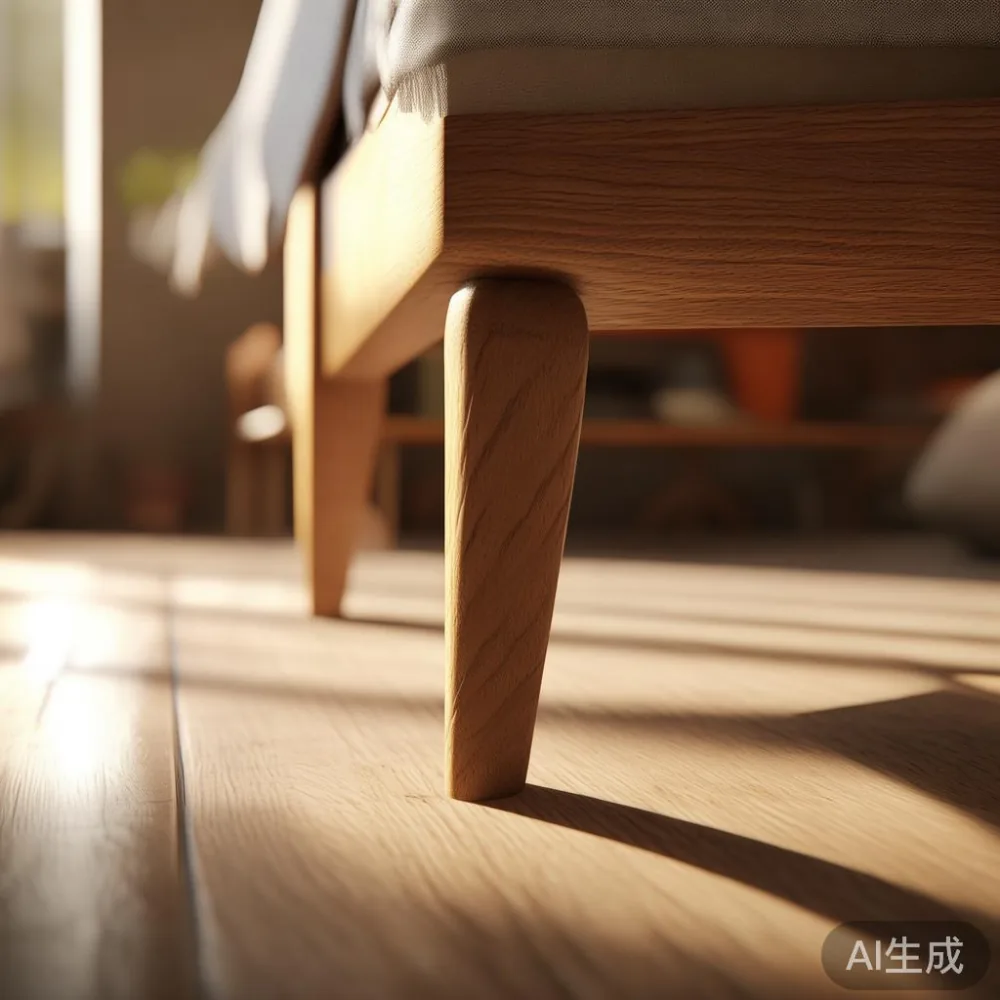
The term “solid wood” should also be checked carefully. Some products use solid wood only for the visible frame and engineered panels elsewhere. For a dining table, ask whether the top, apron, legs and drawer components are solid timber, then request the exact timber species, thickness and finish details.
Is a veneer wardrobe cheaper to own in a Tampines flat?
The wardrobe comparison produces a similar pattern. A solid wood wardrobe costs SGD 2,480 plus SGD 120 delivery, SGD 650 for five years of maintenance and repairs, and SGD 450 risk allowance. Its estimated resale value is SGD 520, producing a five-year net cost of SGD 3,180. The veneer wardrobe costs SGD 1,280 plus SGD 100 delivery, SGD 1,100 for maintenance and repairs, and SGD 700 risk allowance. With no resale credit, the five-year cost is SGD 3,180.
Both figures land at the same total because the assumed repair frequency in the veneer wardrobe is higher. The outcome changes with use: in a dry, careful bedroom with no children, veneer repair costs may fall by 30%, reducing its five-year total to about SGD 2,850. In a frequently used wardrobe near a Punggol balcony, edge wear, swollen runners and lifted laminate may push the figure above SGD 3,500.
Singapore HDB wardrobes often have to work around a 60-90 cm projecting wall, a low overhead cabinet or a 240 cm-wide sliding door. A tall solid wood wardrobe may weigh 110-160 kg, while a comparable veneer unit may weigh 70-105 kg. The lift operator may request extra protection or a scheduled loading slot, so delivery planning can add SGD 100-300 even when the basic delivery fee is low.
For anyone comparing editorial suggestions such as the best French wardrobe for 2026, the construction detail matters more than the style label. If you are also researching how to choose American wardrobe, look for adjustable internal modules, soft-close runners, ventilation gaps and replaceable hinges. A French-inspired design with solid timber shelves will be more practical than a visually similar unit made mainly from particle board.
Can a veneer sofa still make sense for a compact condo?
A solid wood sofa at SGD 3,280 generally provides a more stable five-year figure than a veneered sofa at SGD 1,780. Add SGD 140 delivery, SGD 500 maintenance and repair costs, and SGD 350 risk allowance to the solid wood sofa, then credit SGD 650 for resale. Its net five-year cost is SGD 3,620. The veneer sofa receives SGD 140 delivery, SGD 1,050 maintenance and repair costs, and SGD 600 risk allowance, with no resale credit, resulting in SGD 3,570.
The difference is only SGD 50 in the base case. This is where the comparison becomes less about timber and more about the rest of the build. A veneer sofa with a kiln-dried hardwood frame, high-resilience foam and replaceable fabric panels may serve a light-use condo well. A low-cost veneer sofa with thin MDF, loose joints and fixed fabric may not.
For visual research, a light grey luxury sofa can suit a bright scandinavian furniture interior, but the sample colour can shift under cool LED lighting and daylight. Ask for physical fabric swatches measuring at least 10 cm square, and check that the seat density is stated in kilograms per cubic metre rather than described only as “comfortable”.
A solid wood sofa does not automatically mean a spring-filled seat. Some frames are paired with webbing, foam or a hybrid suspension system. A 210 cm three-seat sofa may weigh 75-110 kg, so check whether it enters through a 90 cm lift door and whether the lift has a stated capacity of 450-600 kg.
Does Scandinavian styling make veneer look more convincing?
Yes. Scandinavian furniture relies on clean grain, pale colours and honest-looking surfaces, so good veneer can be visually convincing. A 42 cm high nightstand with a 3 cm solid wood top, veneered carcass and solid wood drawer front can cost around SGD 360. An all-solid version might cost SGD 480. Over five years, adding modest care and one SGD 60 repair produces a difference of roughly SGD 40-90 between the two.
The word “honest-looking” should not be mistaken for solid timber. Veneer is real wood, but only the thin face layer and, depending on the product, selected structural components use that wood. High-quality architectural veneer can be stable and repairable; paper-backed decorative veneer is more exposed to chipping and cannot usually be patched with matching grain.
MIDHILL’s solid wood range can be read as part of a post-modern light luxury approach: restrained Scandinavian proportions combined with warmer timber, tactile grain and carefully proportioned storage. A French light luxury direction is more ornate, while an American light luxury direction often emphasises generous comfort and broad silhouettes. The construction standard should remain consistent across those styles.
For local shopping searches, phrases such as for sale Japanese furniture or Wuhan Lingzhan Media may surface broad product listings, but they do not replace a material specification. Ask for veneer thickness, substrate type, timber moisture treatment, finish composition, drawer construction and the name of the person or company responsible for after-sales support.
What happens if a child, pet or damp window changes the equation?
Risk becomes measurable in high-use households. A veneer wardrobe with 1.2 mm edging may need SGD 100-250 in edge repairs during five years, while solid wood can often accept a small filler-and-repaint repair for SGD 40-90. Pet claws can cut a veneer face veneer but may only scratch a solid timber surface. That repair advantage is worth about SGD 160-260 over five years.
Dampness creates a different risk. Keep furniture at least 30 cm from open windows where possible, maintain indoor relative humidity around 40-65%, and use a hygrometer costing SGD 25-60. Neither material should sit against a wet wall or directly beside air-conditioning condensation. Solid wood can move as it absorbs moisture; veneer over a well-made substrate is less vulnerable to broad expansion, but its glue lines and edges still need protection.
For beds, the comparison also involves safety and labour. A queen solid wood bed frame may weigh 55-85 kg, while a veneered frame may weigh 35-60 kg. If you are evaluating the best Vintage bed for 2026, check that the headboard, side rails and slat support are structurally solid, and that every fixing can be reached with a 4 mm hex key. One missing fastener can create a far larger cost than a surface scratch.
Similarly, how to choose Italian light luxury bed should involve more than tufting and marble. A marble table can add a cool focal point, but a 120 cm round marble top may weigh 70-110 kg and require two people during installation. A solid wood dining table at 75-95 kg may be easier to reposition, yet both still need route checks.
Which option costs less after 5 years?
In the sample basket, the three-piece total for solid wood is approximately SGD 8,460 in five-year net ownership cost: SGD 1,660 for the dining table, SGD 3,180 for the wardrobe and SGD 3,620 for the sofa. The veneer basket totals SGD 8,580: SGD 1,830, SGD 3,180 and SGD 3,570. Solid wood is ahead by about SGD 120 over 60 months, despite a higher purchase price of roughly SGD 2,600.
This is not a universal result. The calculation assumes an 85 kg solid wood sofa, 75 kg veneered sofa, 140 cm dining tables, two wardrobes with metal runners and 9% GST included in listed selling prices. A veneer unit with excellent substrates may cost less to maintain, while a low-grade solid product can still need frequent repairs. Product specification and workmanship remain more influential than the label alone.
Singapore buyers should request written answers on four points: timber species and components, moisture content and finish, repair process, and warranty coverage. MIDHILL offers a 10-year structural warranty and lifetime refinishing, which can reduce uncertainty when a scratch appears in Year 2 or a board needs attention in Year 4. Its 14-day returns policy also allows time to assess colour, dimensions and condition, subject to the stated return terms.
For a typical HDB or condo, the practical rule is straightforward: choose quality veneer when the piece is low-use, replaceable and tightly budgeted; choose solid wood when the furniture will be moved often, touched daily, kept for many years or expected to remain with the household after a lease ends. Either route can fit scandinavian furniture, but the lower purchase price is not always the lower five-year price.
Before delivery, measure the lift door, corridor width, lobby turn and room access. Confirm the packed dimensions, add SGD 80-250 for protection if needed, and schedule a two-person move for marble or heavy solid timber. That small amount of planning can prevent the most expensive mistake in any five-year furniture budget.