How to Care for Lacquered Scandinavian Furniture in a Tropical Climate
Singapore’s warm, humid climate is kind to solid wood but demanding on lacquered furniture. Salt-laden air, afternoon sun, condensation from an open window and frequent hand contact can leave a pale oak dining table looking dull, a walnut bed frame feeling sticky and a white lacquer wardrobe collecting fine marks. The answer is not aggressive cleaning; it is a measured routine based on moisture control, gentle products and careful habits suited to HDB flats and condos in Tampines, Bedok and Punggol.
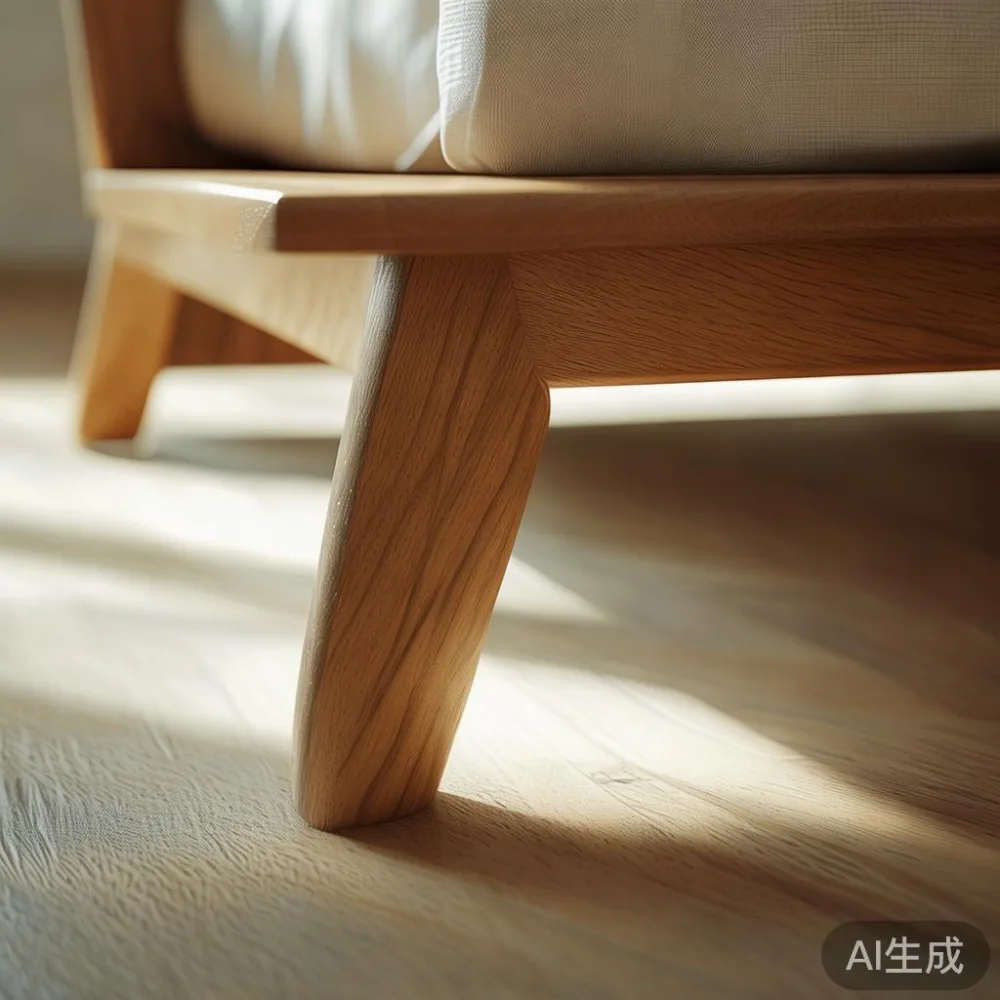
Scandinavian furniture is valued for clean lines, restrained proportions and tactile timber finishes. A lacquered surface adds another layer: a more reflective appearance and a useful barrier between the wood and daily wear. That barrier still needs care. With the right cloth, pH-balanced cleaner and schedule, lacquer can retain its depth for years without an expensive restoration cycle.
Why does lacquer react differently in Singapore?
Lacquer cures through a chemical drying process rather than simply evaporating like oil. Once fully cured, the finish should tolerate normal indoor use, but heat, standing water and harsh alkaline cleaners can affect it. Singapore’s relative humidity often ranges from roughly 65% to 85% across the year, while indoor surfaces near windows can heat beyond 40°C during clear afternoons.
Wood responds to humidity by expanding and contracting. Lacquer is less flexible than unfinished timber, so repeated moisture changes may create microscopic stress at edges, joints or drilled areas. The visible result may appear several months later as a small haze, crack or peeling section. This does not mean lacquered Scandinavian furniture is unsuitable for the island; it means the finish needs stable conditions.
Air-conditioning helps because it controls both temperature and moisture. Aim for about 22–26°C indoors and a relative humidity reading of 45–60% when practical. In a compact HDB living room, position a lacquered dining table at least 30 cm away from windows with afternoon sun. In a west-facing Bedok condo, draw the curtains before the strongest sun arrives around 2 p.m. In a Punggol bedroom, keep the wardrobe clear of an air-conditioning vent that blows directly across its side panel.
Corridor and lift widths matter when bringing furniture into these homes. A dining table with a 160 cm top may fit an HDB lift diagonally, but a 200 cm top may not, particularly after adding a protective package. Measure the lift door, the narrowest landing and any right-angle turn before delivery. MIDHILL can discuss these access dimensions with customers before a dining table, bed frame or wardrobe is dispatched, reducing the risk of damage during a move.
What should I use to clean a lacquered surface?
Use a soft, lint-free microfibre cloth dampened with warm water. Wring it until it is merely moist, then wipe in the direction of the grain or along the length of a lacquered panel. A household spray bottle is useful, but it should not be sprayed directly onto furniture. Spray the cloth about 15–20 cm from the surface, or place the liquid in a bowl and use a clean cloth.
For a more thorough clean, add about 5 ml of pH-neutral dishwashing liquid to a bucket containing 5 litres of warm water. Dip and wring the cloth again. This solution should remove fingerprints, sticky residue and small food marks without attacking the finish. Wipe once with the soapy cloth and a second time with a separate clean cloth dampened with water. Dry immediately with another soft cloth.
Never use nail-polish remover, acetone, paint thinner, alcohol, bleach, abrasive pads, steel wool or alkaline bathroom cleaners. Even diluted vinegar can be too acidic for some lacquer formulations. Avoid “natural” oil on lacquer: coconut oil, olive oil and furniture wax can leave an uneven film that attracts dust in humid conditions. If the product documentation identifies a specific lacquer cleaner, follow it rather than assuming that oil or solvent is safe.
Spills should be addressed within about 5 minutes. Blot rather than scrub. Water rings on a lacquered nightstand can often be reduced by placing a clean cloth over the mark for 10 minutes, then drying with light pressure. Avoid placing very hot cups on the surface; a 70°C ceramic mug may leave a ring or softened patch. Use a coaster with a minimum diameter of 8 cm, or a 10 cm coaster for a wider vessel.
How often should lacquered furniture be cleaned?
A weekly dusting is usually enough for a lightly used living room. Wipe the broad surfaces of a solid wood sofa, bed frame, dining table, wardrobe and nightstand with a dry microfibre cloth for 5–10 minutes. Follow with a lightly damp cloth every 2–4 weeks, adjusting for cooking, pets and coastal humidity.
Create separate cloths for lacquer and non-lacquer pieces. A cloth used under a sink or near a kitchen worktop may carry grease and particles that scratch a reflective finish. Launder cloths without fabric softener, because softener can leave a residue that attracts dust.
Pay attention to touch points. Cabinet pulls, wardrobe handles, desk edges and the area around a bed frame’s headboard collect oils from hands. These can be wiped with the diluted cleaning solution and dried. A monthly check of hinges and moving parts is also sensible: tighten a loose handle after about 3 months, and inspect lacquer around screw holes if the climate causes visible movement.
For houses near East Coast, Bedok or Punggol, a short wipe every 7 days can prevent salt residue from building up. Coastal furniture near an open balcony deserves the same care. The phrase under 2000 Coastal furniture may appear in design guides, but a piece is not protected merely because its style is coastal; the lacquer system, joints, hardware and installation environment all affect its service life.
Can sunlight and heat damage a lacquered finish?
Yes. Direct ultraviolet exposure can fade pigments, while repeated heat causes lacquer to soften or become cloudy. A dining table placed near a window in Tampines could receive strong light for 3–4 hours on a clear day. A pale finish may show yellowing sooner than a darker one, although every colour should be protected.
Use sheer curtains or UV-filtering blinds with a visible light transmittance of around 40% or lower where possible. Keep furniture at least 45 cm from an open window and at least 60 cm from a west-facing balcony door. Do not use a rug to conceal heat damage; instead move the item. A marble table may also become very hot under a window, and its natural stone should not be treated as though it has a lacquered timber top.
Check external walls for condensation. In some air-conditioned rooms, humid outside air meets cold glass and forms droplets that run onto frames or nearby furniture. Wipe those surfaces before the water reaches a lacquered cabinet. Use a hygrometer costing about SGD 15–30 to monitor a room. If readings remain above 65% for several hours, improve ventilation or run the air conditioner in a suitable mode rather than continuously opening a humid door.
What should I do if the lacquer becomes dull, sticky or marked?
Begin with the least aggressive fix. Dullness caused by surface residue may disappear after two careful passes with the diluted neutral cleaner. Test an inconspicuous area, such as the underside of a nightstand, for 24 hours before treating a visible panel.
Sticky lacquer may indicate heat exposure, an incompatible cleaning product or a finish that has already degraded. Stop using oils and solvents. Clean once with a barely damp cloth, let the piece air out for 24 hours in a ventilated, shaded room, and then reassess. Do not place it in direct sun while drying. If the stickiness remains, contact the manufacturer or supplier for finish-specific advice rather than sanding the panel yourself.
Fine scratches can sometimes be reduced with a lacquer-compatible repair pencil. Match the colour and sheen, test it underneath, and apply only 1–2 light passes. Deep gouges, lifting edges, cracks wider than 1 mm or moisture-related blistering need professional assessment. A 10-year structural warranty addresses structural integrity, but consumers should confirm in writing whether surface-finish defects, misuse and environmental exposure are included.
Scandinavian furniture often combines lacquered panels with solid timber frames. Cleaning products intended for raw oak, walnut or teak can be unsuitable for the lacquered sections. For example, an oil treatment on an exposed solid wood bed frame may be appropriate only if approved by the supplier; it should never be transferred to a lacquered headboard.
How do I move lacquered furniture safely through HDB flats and condos?
Measure before moving anything. Record the lift door width, internal depth, corridor width and the diagonal clearance at each turn. Many HDB lifts have a door opening of about 90 cm, while individual lift-car dimensions vary. A 160 cm dining table can often be tilted through a 90 cm opening, but legs and packaging must also be accounted for.
Remove drawers and detachable shelves, wrap them separately and label each piece. For a wardrobe, check whether the carcass can be separated from the base. For a bed frame, dismantle the headboard and footboard where the design allows. Use moving blankets at least 2 cm thick, corner protectors and 2–3 mm foam beneath hardware. Never drag a lacquered surface across a corridor floor.
Protect lacquered faces with a clean sheet of cardboard or archival foam rather than ordinary bubble wrap, whose bubbles can imprint under pressure. Keep protective film on during transport and remove it within 7 days of delivery. If adhesive remains, ask the supplier rather than using a solvent that may affect the finish.
Singapore’s GST is already reflected in the displayed retail price, so compare the final SGD amount rather than adding tax later. For example, a delivery fee shown as SGD 120 normally includes GST when quoted to a Singapore consumer. MIDHILL provides free shipping for orders over US$350, although the currency for a local purchase should still be confirmed at checkout. Typical production and delivery windows may run 25–45 days, depending on the item and finish.
Is Japanese bed worth it for a humid Singapore bedroom?
The question of is Japanese bed worth it for a humid Singapore bedroom depends on construction and maintenance, not country of style alone. A low-profile platform may fit an HDB room well, but the relevant checks are lacquer compatibility, ventilation beneath the frame, moisture-resistant hardware and the availability of local spare parts.
Allow at least 8–10 cm of clearance under a bed where ventilation is needed, and keep the frame 20–30 cm from exterior walls that show condensation. Compare the American bed vs Modern bed question through function: a solid wood bed frame with a supportive slat spacing of no more than 10 cm may suit a heavier mattress, while a platform design may suit a smaller room. These are broad comparisons, so customers should test the mattress and inspect the actual dimensions.
For shoppers comparing the best European bed for 2026, look for documented joinery, finish care instructions and a clear warranty rather than a trend label. Design terms such as designer Italian light luxury furniture may suggest visual intent, but a French light luxury or American light luxury appearance still requires practical protection in tropical conditions.
How can a lacquered piece fit a light-luxury interior?
Light luxury works best when materials are calm, tactile and proportionate rather than heavily ornamented. A pale lacquer finish on a solid wood sofa can frame a linen seat with subtle sheen. A solid wood bed frame with rounded edges can create a quiet focal point in a Punggol master bedroom. A marble table can contrast with a lacquered dining table, provided the stone and timber surfaces receive different care instructions.
Post-modern light luxury often mixes clean geometry with a small number of distinctive details: a smoked-glass pendant, brushed metal hardware, softened corners or a sculptural dining table base. None should interfere with ventilation or maintenance. Leave roughly 75 cm of circulation behind dining chairs where possible, and 90 cm along a main walkway. In a lift lobby or HDB corridor, keep the package narrow enough for the measured turning space.
A wardrobe with matte lacquer may be more forgiving of small hand marks than a high-gloss finish, though both need consistent care. A nightstand with drawers should have at least 12 cm of usable drawer travel and enough top space for a 16 cm lamp base plus 5 cm clearance. Those details give a refined room a sense of ease rather than visual clutter.
What is the practical care routine for lacquered Scandinavian furniture?
Keep a 3-part routine: dust every 7 days, clean every 14–30 days and inspect every 3 months. Place coasters, felt pads and a writing mat within reach. Open windows only when outdoor humidity is lower than indoor humidity, or use air conditioning to bring the room toward 45–60% relative humidity. Wipe any condensation within 15 minutes.
Use neutral products, soft cloths and small motions. Record the product’s finish type if possible, since lacquer formulations differ. Inspect lacquer around edges, handles and joints twice a year. Keep pets’ nails trimmed and avoid standing damp laundry against a lacquered wardrobe.
Buyers should also compare finish longevity with the rest of the furniture. A top 10 Modern furniture list can be useful for discovering forms, but the care specification should decide the purchase. For a solid wood dining table, solid wood sofa, bed frame, wardrobe, nightstand or marble table, request care instructions before ordering and confirm whether replacement hardware and refinishing services are available.
Last month, I visited a client’s HDB flat in Bedok to inspect a lacquered dining table that had developed a cloudy patch near a sliding door. The table had been exposed to about 3 hours of afternoon sun and wiped daily with an oil-based product. After confirming that the lacquer was sound, we cleaned it with the diluted neutral solution and moved it 55 cm from the opening. The haze disappeared within 48 hours. That experience reinforced a simple rule: remove the source of heat and residue before treating the finish.
MIDHILL’s 10-year structural warranty and lifetime refinishing option can support long-term ownership, while the 14-day return period allows customers to assess colour, scale and finish in their own rooms. For local delivery, request the final SGD price, confirm GST treatment, check lift access and allow a minimum of 7 days to inspect the piece after arrival. Once the table, bed frame or wardrobe is positioned away from direct sun and given a sensible care routine, lacquered Scandinavian furniture can retain its calm, light-luxury character through Singapore’s changing seasons.